
Nicotiana tomentosa
Nicotiana tomentosa
Description
Growing requirements
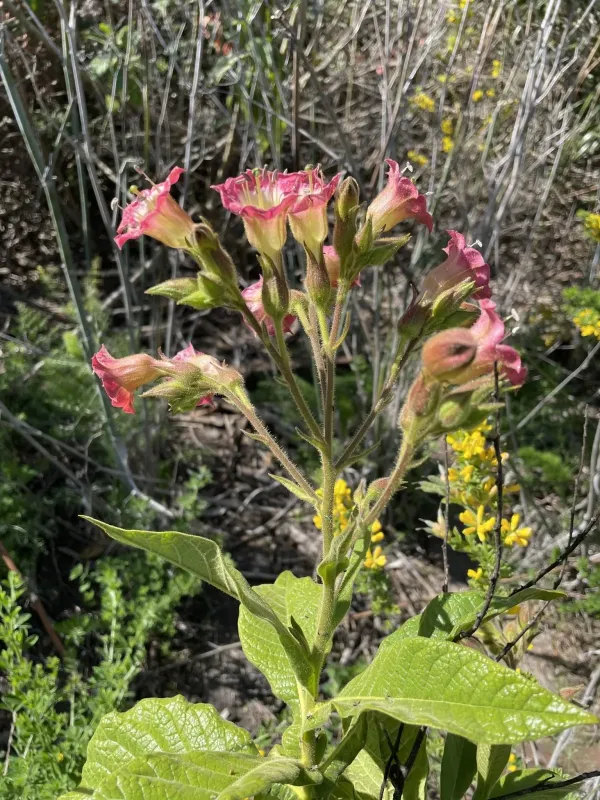
Nicotiana tomentosa is a giant, tree-like perennial plant belonging to the Solanaceae family. It is distinct for its substantial woody stem and large, velvety leaves that can reach significant dimensions in optimal growing seasons.
The species originates from the Andean regions of South America, specifically in Peru and Bolivia. It thrives in high-altitude environments where the climate remains temperate, avoiding the harsh extremes of tropical heat or freezing temperatures.
Successful cultivation requires deep, well-drained soil rich in organic matter. Providing a stable substrate that allows for deep root penetration is essential for the longevity of this perennial species.
This plant demands substantial solar exposure but benefits from protection during peak afternoon heat in hotter regions. Consistent soil moisture is necessary, although the plants are sensitive to waterlogging, which can cause crown rot.
Agricultural management should focus on managing the plant's height through strategic pruning if grown in greenhouses. Nutrient management typically involves balanced NPK fertilizers applied during the active vegetative growth phase to support its large biomass.
Main diseases and pests
Like many species in the genus Nicotiana, this plant is vulnerable to aphids and spider mites, which congregate on the underside of the large leaves. Frequent scouting is required to prevent widespread infestation.
Pathogenic threats include fungal infections such as powdery mildew and root rot caused by stagnant water. Good air circulation is the primary defense strategy to maintain plant health throughout the growing cycle.