
Nicotiana longiflora
Nicotiana longiflora
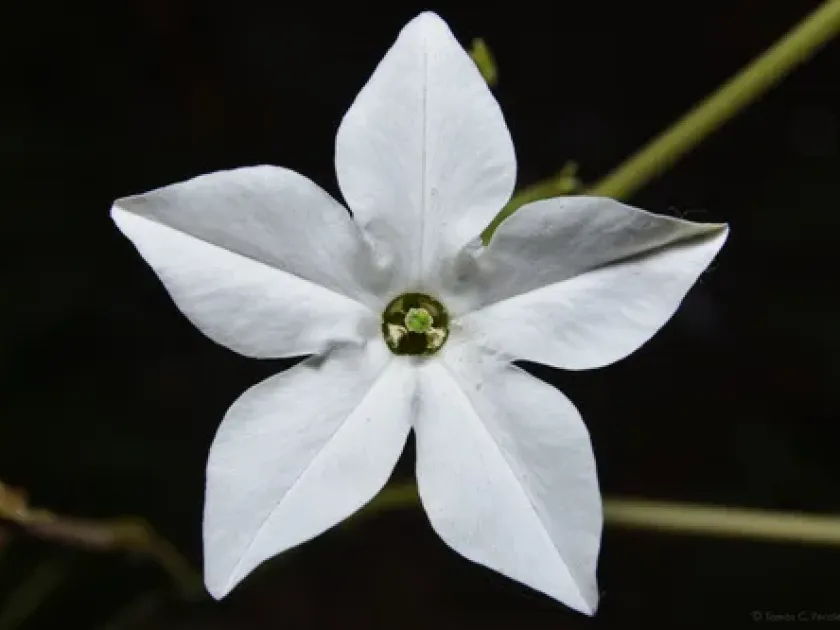
Description
Sowing dates
Nicotiana longiflora is typically propagated via seeds, which are sown in protected nursery environments or specialized seed trays to ensure optimal germination. Due to the small size of the seeds, they should be surface-sown and barely covered with a fine layer of substrate.
The germination phase requires consistent temperatures between 20 and 25 degrees Celsius and high humidity levels. Once seedlings reach a stage with several true leaves, they are hardened off gradually before being transplanted to the field.
Transplanting into open soil must occur only after the danger of frost has passed. Planting in cold or waterlogged soil will significantly retard the plant's development and may lead to root rot, which is a common issue for this species.
Density management is vital for high yields, with standard spacing providing each plant enough room to maximize leaf surface area. Farmers typically plant in rows, ensuring adequate machinery access and ventilation between the plants to minimize disease spread.
Direct seeding in warmer climates is possible but requires precise soil preparation and irrigation control to maintain a stable environment for the sensitive seedlings during their establishment period.
Growing requirements
As a member of the Solanaceae family, Nicotiana longiflora thrives in sunny, warm locations. It requires a significant amount of light to produce high-quality foliage and to reach its full developmental potential during the growing season.
The ideal soil for this crop is a well-draining, fertile loam with a slightly acidic to neutral pH. Poorly drained soil conditions are strictly unsuitable, as the species is highly susceptible to root pathologies in saturated environments.
Nutrient management involves a balanced application of N-P-K fertilizers. High nitrogen levels support leaf production in the vegetative phase, while phosphorus and potassium are essential for root vigor and the chemical maturity of the harvestable leaves.
Watering must be efficient and consistent. Drip irrigation is highly recommended to provide water directly to the root zone, reducing surface moisture and preventing fungal issues that thrive on wet leaves.
Crop rotation is an essential agronomic practice for tobacco crops. Avoiding sequential planting of Solanaceae species in the same field helps prevent the buildup of soil-borne pathogens and nutrient depletion.
Main diseases and pests
The primary insect threats to Nicotiana longiflora include aphids and thrips. These pests not only damage the plant through sap-sucking but also act as vectors for various viral diseases that can destroy entire harvests if left unchecked.
Fungal diseases like powdery mildew and root rot represent significant challenges. These are often triggered by high atmospheric humidity or poor airflow within the planting site, making hygiene and spacing crucial preventive measures.
Integrated Pest Management (IPM) is the most effective approach for this crop. It involves monitoring pest populations, using biological control agents, and applying targeted, low-toxicity chemical interventions only when necessary.
Field sanitation is critical. Removing diseased plant debris immediately after harvest reduces the inoculum load for the following season and prevents the overwintering of pathogens within the soil profile.
Regular scouting and early detection of symptoms are paramount. By identifying potential threats early, growers can implement localized treatments, minimizing both economic losses and the overall use of chemical products on the farm.
Harvesting
Harvesting Nicotiana longiflora is a labor-intensive process usually performed in multiple passes. As leaves reach technical maturity—indicated by a change in texture and color—they are picked from the bottom upwards.
Handling the leaves requires extreme care to avoid mechanical bruises or tears, which diminish the final grade and market value of the crop. Proper tools or manual technique ensures clean cuts that promote healthier post-harvest storage.
The curing process follows the harvest, where leaves are hung in specialized facilities to undergo controlled dehydration. This process is essential for the transformation of biochemical compounds into the desired aromatic profile.
Monitoring the climate inside the drying shed is vital; managing airflow and humidity ensures uniform drying and prevents the development of mold, which can ruin an entire batch within a few days if conditions are not regulated.
Once the leaves are properly cured and fermented, they are baled for long-term storage or transport. Maintaining a stable, cool, and dry storage environment ensures that the quality and chemical integrity of the leaves are preserved until industrial use.