
Nicotiana exigua
Nicotiana exigua
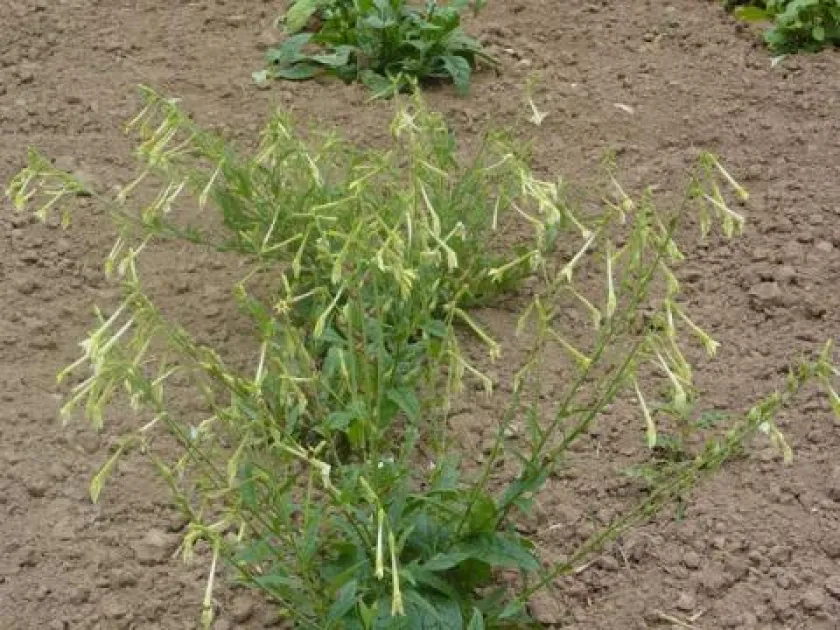
Description
Sowing dates
Nicotiana exigua requires careful attention to detail during the germination phase due to the extremely small size of its seeds. Sowing is typically performed in late winter within a controlled indoor environment.
The seeds require light to germinate effectively; therefore, they should be sown on the surface of a fine, well-draining seed-starting mix and only lightly pressed down, not buried.
Maintaining a constant soil temperature between 20°C and 25°C is crucial for success. Consistent moisture levels, achieved through misting rather than heavy watering, prevent the seeds from being washed away or drying out.
Seedlings should be transplanted into individual pots once they develop their first set of true leaves. This transition period allows the root system to establish itself before the plants are subjected to outdoor conditions.
Hardening off the plants by gradually exposing them to outside temperatures over a period of two weeks is essential to reduce transplant shock when moving them to their permanent location.
Growing requirements
As a member of the Solanaceae family, this plant thrives in full sun exposure. It is highly recommended to place the plants in an area that receives at least six to eight hours of direct sunlight daily.
The soil should be fertile, loose, and possess excellent drainage characteristics. While the plant can tolerate various soil types, loamy soils rich in organic matter promote the most vigorous growth.
Water management is critical; the plants prefer a consistent moisture level but are highly susceptible to root rot if the soil remains waterlogged for extended periods, especially during cooler nights.
Periodic fertilization with a balanced, water-soluble fertilizer during the active vegetative growth phase will ensure that the plant maintains its structural integrity and leaf development.
The climate should ideally be temperate. Nicotiana exigua is sensitive to extreme frost, which can kill the plant; therefore, it is best suited for regions with mild to warm growing seasons.
Main diseases and pests
Aphids are the most common pests affecting this species. They cluster on the undersides of leaves and on growing tips, sucking sap and potentially transmitting viral diseases to the host plant.
Spider mites can become a significant issue during hot and dry spells. Their presence is often indicated by fine webbing and yellow stippling on the leaves, which can be mitigated with regular humidity management.
Fungal pathogens such as mildew can develop in environments with poor air circulation or excessive leaf wetness. Proper spacing between plants is the most effective preventative measure against such issues.
Root-related diseases are frequently caused by overwatering or compacted soil. Ensuring the potting medium or garden soil has adequate oxygenation is vital for plant health.
Integrated pest management, including the use of neem oil or insecticidal soaps, is recommended when pest populations reach a threshold that threatens the overall vitality of the crop.
Harvesting
Harvesting Nicotiana exigua is conducted once the plant reaches physiological maturity. This is visually signaled by the leaf texture changing and the overall plant growth slowing down significantly.
Leaves are typically harvested in stages, starting from the lower parts of the plant and moving upwards as they reach the desired maturity level. This phased harvesting strategy ensures higher quality.
Once collected, the foliage must be dried in a shaded, well-ventilated area. Rapid drying in direct sunlight is discouraged as it can lead to the loss of natural compounds and plant quality.
For seed collection, the capsules must remain on the plant until they have turned brown and brittle. This ensures the seeds have fully matured and have a high potential for future germination.
Storing the harvested material in airtight containers in a cool, dry place prevents moisture accumulation and preserves the structural and chemical integrity of the dried product for later use.