
Nicotiana maritima
Nicotiana maritima
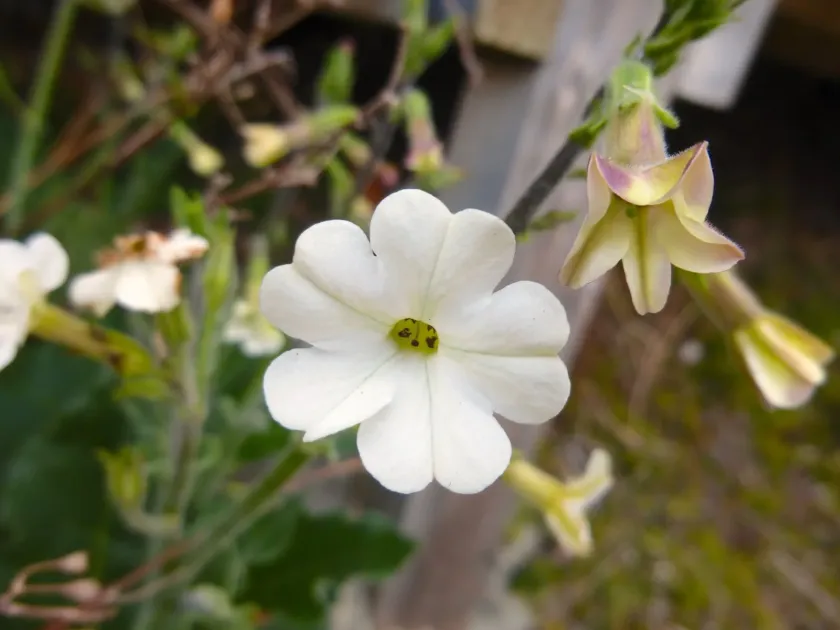
Description
Growing requirements
Nicotiana maritima is a distinctive member of the Solanaceae family, naturally occurring along the coastal regions of South Australia. It has evolved to thrive in saline, wind-swept environments where other species might struggle to survive.
This species typically grows as a perennial herb with a sturdy stem structure and ovate to lanceolate foliage. The leaves are covered in fine, glandular hairs, which serve as a protective barrier against harsh coastal winds and salt spray, common in its native habitat.
The inflorescences consist of tubular, white flowers that emit a pleasant fragrance. These blooms are essential for attracting nocturnal pollinators, ensuring the reproductive success of the plant in its open, often isolated ecological niche.
Cultivation of this species requires a location with full sun exposure and excellent soil drainage. It performs best in sandy or rocky substrates where the risk of water accumulation around the roots is minimal.
While the plant is remarkably drought-tolerant, it requires consistent care during the establishment phase. Proper spacing between plants is crucial to ensure adequate airflow and prevent the buildup of humidity, which can be detrimental to the foliage.
Main diseases and pests
The primary concern for Nicotiana maritima is root rot, particularly in heavier, non-draining soils. Excessive soil moisture triggers the proliferation of pathogens that can compromise the plant's health within a very short time.
Pests such as aphids and whiteflies frequently target the tender shoots and undersides of the leaves. Infestations can weaken the plant and serve as vectors for various plant viruses that are common in the Solanaceae family.
Integrated pest management strategies are recommended, focusing on early detection and the use of insecticidal soaps. Maintaining clean cultivation practices, including the removal of debris, is essential for disease prevention.
Powdery mildew may occur if the plants are crowded or if there is insufficient air movement. Pruning damaged or yellowing leaves can help reduce the local humidity and improve the general health of the specimen.
It is vital to sanitize all gardening tools used for maintenance to prevent the cross-transmission of pathogens. Monitoring the underside of leaves weekly is a standard practice for maintaining a healthy crop.