
Nicotiana paniculata
Nicotiana paniculata
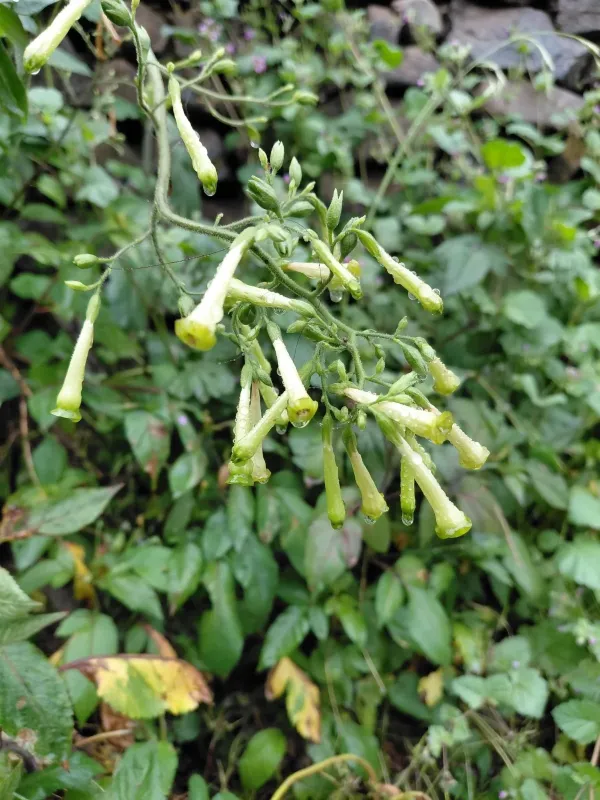
Description
Sowing dates
Nicotiana paniculata, belonging to the Solanaceae family, is an annual plant species characterized by its panicle-like inflorescences and specific alkaloid profile.
Cultivation typically begins by sowing seeds in prepared flats or seed trays during late winter, ensuring the seeds are placed on the soil surface without burying them.
The substrate should be well-draining and kept consistently moist, with a temperature maintained between 20 and 22 degrees Celsius to facilitate successful germination.
Once the seedlings develop their first true leaves, they should be carefully pricked out and transplanted into individual pots to avoid competition and promote root vigor.
Hardening off the seedlings is an essential step before outdoor transplanting, which should be done once all risks of frost have passed in the spring season.
Growing requirements
This species thrives in full sun exposure, which is necessary to maintain the plant's robust structure and ensure full development of its flowers.
Soil requirements include high fertility and excellent drainage; the plant does not tolerate waterlogged conditions, which can lead to rapid root decay.
Optimal soil pH should range between 6.0 and 7.0, facilitating the balanced uptake of phosphorus, nitrogen, and potassium required for vigorous growth.
Irrigation practices should be focused on the base of the plant to keep foliage dry, thereby reducing the probability of developing fungal leaf diseases.
Regular maintenance involving the removal of weeds and applying balanced liquid fertilizers during the vegetative stage helps sustain consistent plant health.
Main diseases and pests
Common agricultural threats include aphids and thrips, which are notorious for damaging tender tissues and potentially transmitting viral plant pathogens.
Fungal infections, such as powdery mildew, often occur during periods of high humidity combined with poor airflow between individual plants in a planting block.
Root rot caused by excessive soil moisture is a significant threat, often exacerbated by poorly drained clay-based soils or over-application of water.
Integrated pest management strategies are recommended, utilizing both mechanical removal of infested leaves and targeted applications of suitable pesticides.
Maintaining a clean cultivation area and rotating the site with non-solanaceous crops significantly reduces the soil-borne pathogen load for future seasons.