

Reference · Pests
Cecidomyiidae
Gall midges (Cecidomyiidae) represent a vast family of minute dipteran insects belonging to the suborder Nematocera. While adult midges resemble small mosquitoes, it is their larvae that cause significant economic damage to agricultural and ornamental crops by feeding on plant tissues or, in some cases, acting as predators of other small pests.
356
items
What the section contains
 Hessian fly
Mayetiola destructor
10 products
Hessian fly
Mayetiola destructor
10 products
 Sorghum midge (Pennisetum midge/Proso midge)
Clinodiplosis cilicrus
10 products
Sorghum midge (Pennisetum midge/Proso midge)
Clinodiplosis cilicrus
10 products
 Gall midges
Cecidomyiidae
9 products
Gall midges
Cecidomyiidae
9 products
 Sorghum midge
Stenodiplosis sorghicola
4 products
Sorghum midge
Stenodiplosis sorghicola
4 products
 Brassica pod midge
Dasineura napi
1 product
Brassica pod midge
Dasineura napi
1 product
 Gall midge
Contarinia
1 product
Gall midge
Contarinia
1 product
 Raspberry cane midge
Contarinia rubicola
1 product
Raspberry cane midge
Contarinia rubicola
1 product
 Swede midge
Contarinia nasturtii
1 product
Swede midge
Contarinia nasturtii
1 product
 Wheat blossom midge
Contarinia tritici
1 product
Wheat midge
Hybolasioptera cerealis
1 product
Wheat blossom midge
Contarinia tritici
1 product
Wheat midge
Hybolasioptera cerealis
1 product
 Acacia gall midge
Dasineura acaciaelongifoliae
Acacia gall midge
Dasineura acaciaelongifoliae
 Agapanthus gall midge
Enigmadiplosis agapanthi
Agapanthus gall midge
Enigmadiplosis agapanthi
 Alfalfa gall midge
Asphondylia miki
Alfalfa gall midge
Asphondylia miki
 Alfalfa gall midge
Asphondylia websteri
Alfalfa gall midge
Asphondylia websteri
 Alfalfa gall midge
Dasineura medicaginis
Almond gall midge
Odinadiplosis amygdali
Alfalfa gall midge
Dasineura medicaginis
Almond gall midge
Odinadiplosis amygdali
 Aphidoletes
 aphidimyza
Aphidoletes
Aphidoletes aphidimyza
 Aphidoletes
Aphidoletes thompsoni
Aphidoletes thompsoni
Aphidoletes urticaria
Aphidoletes urticaria
Apiomyia
Apiomyia
Aphidoletes
Aphidoletes
Aphidoletes thompsoni
Aphidoletes thompsoni
Aphidoletes urticaria
Aphidoletes urticaria
Apiomyia
Apiomyia
 Apple leaf midge
Contarinia mali
Apple leaf midge
Contarinia mali
 Apple leaf midge
Dasineura mali
Apple leaf midge
Dasineura mali
 Apple leaf-curling midge
Dasineura tortrix
Aquilegia gall midge
Macrolabis aquilegiae
Arabis midge
Dasineura alpestris
Apple leaf-curling midge
Dasineura tortrix
Aquilegia gall midge
Macrolabis aquilegiae
Arabis midge
Dasineura alpestris
 Arnoldiola
Arnoldiola
Arnoldiola
 Arthrocnodax
Aschistonyx
Aschistonyx
Arthrocnodax
Arthrocnodax
Aschistonyx
Aschistonyx
 Ash gall midge
Resseliella clavula
Ash gall midge
Resseliella clavula
 Ash gall midge
Dasineura fraxini
Ash gall midge
Dasineura fraxini
 Ash leaf gall midge
Dasineura fraxinea
Ash leaf gall midge
Dasineura fraxinea
 Asian rice gall midge
Orseolia oryzivora
Asian rice gall midge
Orseolia oryzivora
 Asphondylia
Asphondylia
Asphondylia
 Asynapta
Asynapta
Asynapta
 Avocado gall midge
Bruggmanniella perseae
Avocado gall midge
Bruggmanniella perseae
 Balsam gall midge
Dasineura balsamicola
Balsam gall midge
Dasineura balsamicola
 Beech gall midge
Contarinia fagi
Beech gall midge
Contarinia fagi
 Beech gall midge
Macrolabis luceti
Beech gall midge
Macrolabis luceti
 Beech gall midge
Mikiola fagi
Beech gall midge
Mikiola fagi
 Beech gall midge
Mikiola
Beech gall midge
Mikiola
 Beech leaf gall midge
Macrolabis fagicola
Beech leaf gall midge
Macrolabis fagicola
 Betheli gall midge
Asphondylia betheli
Birch gall midge
Semudobia betulae
Betheli gall midge
Asphondylia betheli
Birch gall midge
Semudobia betulae
 Birch seed gall midge
Semudobia tarda
Birch seed gall midge
Semudobia tarda
 Birch seed gall midge
Semudobia
Birch seed gall midge
Semudobia
 Black locust gall midge
Obolodiplosis robiniae
Black locust gall midge
Obolodiplosis robiniae
 Blackberry leaf midge
Dasineura plicatrix
Blackberry midge
Buhriella rubicola
Blackberry leaf midge
Dasineura plicatrix
Blackberry midge
Buhriella rubicola
 Blackcurrant leaf midge
Dasineura tetensi
Blackcurrant leaf midge
Dasineura tetensi
 Blueberry gall midge
Prodiplosis vaccinii
Blueberry gall midge
Prodiplosis vaccinii
 Blueberry gall midge
Dasineura fastidiosa
Blueberry gall midge
Dasineura fastidiosa
 Boxelder gall midge
Contarinia negundinis
Boxelder gall midge
Contarinia negundinis
 Boxwood leaf miner
Monarthropalpus
Boxwood leaf miner
Monarthropalpus
 Boxwood leafminer
Monarthropalpus buxi
Brassica pod midge
Gephyraulus raphanistri
Boxwood leafminer
Monarthropalpus buxi
Brassica pod midge
Gephyraulus raphanistri
 Bremiola
Brome midge
Stenodiplosis bromicola
Bremiola
Bremiola
Brome midge
Stenodiplosis bromicola
 Bruggmanniella
Bruggmanniella ingae
Bruggmanniella ingae
Bruggmanniella
Bruggmanniella
Bruggmanniella ingae
Bruggmanniella ingae
Marketplace
Products in this section · 12


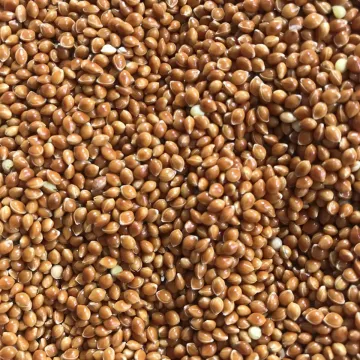
Cecidomyiidae
In terms of systematic classification, they belong to the order Diptera, family Cecidomyiidae. The group is remarkably diverse; some species are host-specific and induce the formation of galls (abnormal tissue growths), while others damage stems, leaves, or floral structures, leading to plant stunting and localized tissue death.
The life cycle of gall midges includes four stages: egg, larva, pupa, and adult. Adult midges have short lifespans focused on mating and oviposition. The larvae often develop inside plant tissues or galls, which provides them protection from environmental conditions and many contact insecticides, making timing crucial for management.
The severity of damage varies depending on the specific species. For instance, the Hessian fly is a notorious pest of cereals, causing stem bending and lodging, while the raspberry cane midge causes swelling and splitting of canes. The damage leads to reduced crop yields, poor quality of produce, and increased susceptibility of plants to secondary infections.
Control measures require an integrated approach. Cultural practices such as crop rotation, deep plowing to bury pupae, and the removal of infested plant debris are essential. During periods of high infestation, systemic insecticides are applied, while the conservation of natural enemies and biological control agents plays a vital role in suppressing long-term population levels.