
Betheli gall midge
Asphondylia betheli
Description
How to identify
The Betheli gall midge (Asphondylia betheli) is a member of the family Cecidomyiidae within the order Diptera. These small insects are primarily known for their ability to induce gall formation on host plants.
Adult midges are minute and delicate, making them difficult to identify in field conditions without specialized training. Taxonomic identification often requires examining the larval stages and the specific shape of the galls they create.
The species biology is characterized by a close evolutionary relationship with specific cacti. The female midge inserts eggs into the plant tissue, triggering a chemical reaction that forces the plant to grow a gall.
These galls serve as a protected micro-environment for the larvae, providing both food and shelter from environmental stressors and many predatory insects. This makes the midge a highly successful pest.
Understanding the life cycle of Asphondylia betheli is crucial for agricultural management. Monitoring for the presence of these midges often relies on detecting early-stage galls during routine crop inspections.
What it damages
The Betheli gall midge is a known pest of various cactus species, particularly those in the genus Opuntia. The damage is caused by the larvae feeding inside the gall, which saps energy and resources from the plant.
The galls inhibit normal development of stems and buds, leading to severe deformity. This disrupts the plant's architecture and reduces its overall vigor and growth rate significantly.
In ornamental and commercial cultivation, such deformities render the plants unsalable. The aesthetic damage to the plant's natural form is irreversible and significantly reduces its market value.
Secondary infections often take hold in the damaged tissues. Because the midge breaks the plant's epidermis, opportunistic bacteria and fungi can enter, causing rot and accelerating the decline of the host.
If left unmanaged, a heavy infestation can lead to stunted, non-productive plants. The cumulative loss of leaf area and disruption of nutrient flow make the host susceptible to further environmental stress.
When it appears
The activity of Asphondylia betheli is highly dependent on the host plant's phenology. In many regions, adult emergence correlates with the onset of the spring growth flush.
Temperature dictates the rate of larval development. Warmer climates allow for faster generation cycles, leading to multiple waves of infestation throughout the growing season.
The adult midge life stage is typically short, focused primarily on mating and finding suitable succulent tissues for oviposition. This phase is critical for the spread of the population.
During the summer months, larvae are highly active inside the galls, causing the most noticeable damage. This is the period when agricultural workers can effectively spot and remove affected areas.
As winter approaches, activity slows down. Depending on the geographical location, the pest may overwinter as a mature larva or pupa inside the protective gall, ready to emerge when conditions improve.
Signs of infestation
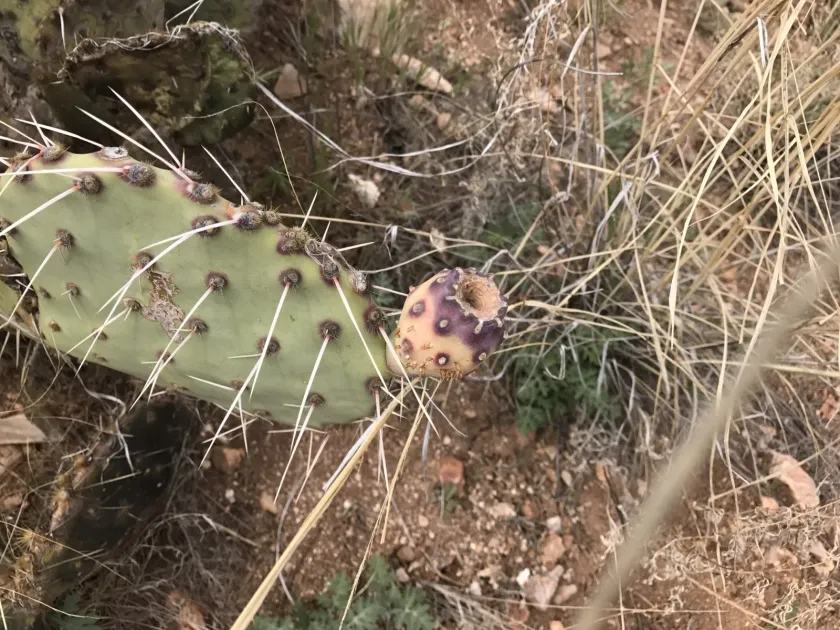
The most distinctive sign of a Betheli gall midge infestation is the presence of galls on the stems. These appear as irregular, bumpy protrusions that disrupt the smooth surface of the cactus.
Plants may show symptoms of poor growth, such as twisted shoots or shrunken buds. The affected areas often exhibit discoloration, appearing paler or more yellowish than the healthy parts of the plant.
Small exit holes visible on the surface of mature galls indicate that the adult midge has emerged. These holes are a clear indicator that the pest has successfully completed its lifecycle on that specimen.
Dissecting a gall reveals a cavity containing a small, pale-colored larva. The interior of the gall is often spongy, as the larvae stimulate the plant to produce specialized nutritious cells for their consumption.
- Bumpy, deformed growths on cactus stems and pads.
- Distorted growth patterns and stunted shoot development.
- Small, circular exit holes on the surface of swellings.
- Reduced vitality and loss of plant turgor in the affected area.
Control measures
Sanitation is the most effective manual control method. Pruning and destroying all infested plant parts immediately upon detection prevents the emergence of the next generation of adults.
Chemical control involves the application of systemic insecticides that are translocated within the cactus tissues. These treatments are most effective when applied at the onset of the spring adult emergence.
Biological control options, including the use of specific parasitic wasps that prey on gall midges, are effective in integrated pest management programs to lower the population without excessive chemicals.
Quarantine and strict inspection protocols for new greenhouse arrivals are essential to prevent the introduction of this pest. Only healthy, symptom-free plants should be introduced into the main collection.
Proper plant nutrition and controlled irrigation help maintain a strong host resistance. While these methods do not eliminate the pest, they aid in faster tissue repair and overall plant health recovery.
Taxonomy
- Latin name
- Asphondylia betheli
- Order
- Diptera (flies)
- Family
- Cecidomyiidae
- EPPO code
- ASPHOP
Discussion
No discussions yet — be the first.