
Apple leaf midge
Contarinia mali
Description
How to identify
The apple leaf midge (Contarinia mali) is a small dipteran insect belonging to the family Cecidomyiidae. The adult midges are tiny, fragile flies, measuring about 2 to 3 mm in length, typically with yellowish-brown bodies and clear wings.
The larvae are small, legless, and translucent white or pale yellow. They are highly specialized to live within the tissues of the host plant, where they feed and complete their developmental stages, protected from external predators.
The life cycle is closely synchronized with the phenology of the apple tree. The midge overwinters as a pupa in the soil beneath the host tree, emerging in spring as temperatures rise to coincide with the budding phase.
After mating, females lay eggs on the youngest leaves. The rapid larval development allows for several generations per year, provided the environmental conditions, particularly humidity and temperature, remain optimal.
The specificity of this pest means that it primarily targets the apple tree, utilizing the rapid growth phase of the plant to ensure a constant supply of succulent, easily accessible tissue for its offspring.
What it damages
The primary host of Contarinia mali is the cultivated apple. It is particularly destructive in nurseries and young orchards where the continuous production of new, tender leaves provides a stable food source.
Larval feeding causes physiological changes in the leaves. By secreting enzymes during feeding, the larvae induce leaf curling and deformation, which prevents the leaf from expanding normally and performing photosynthesis.
Severe infestations often result in the stunting of terminal shoots. When growth points are damaged, the tree's architecture is compromised, often leading to excessive branching or the formation of gnarled, distorted shoot tips.
The reduction in photosynthetic leaf surface area directly impacts the tree's vigor and potential yield. In extreme cases, young trees may show a significant decrease in growth rate, potentially leading to long-term stunted development.
Beyond the direct impact of the midge, the damaged, curled leaves provide a localized microclimate that can promote secondary infections by fungi or bacteria, further stressing the tree's overall health.
When it appears
The emergence of adult midges usually occurs in spring, triggered by rising temperatures that match the early stages of apple bud break. This is the critical window for initial pest colonization.
Activity peaks during the late spring and early summer when the trees are putting on the most vegetative growth. The pest thrives in warm, humid weather, which accelerates larval development cycles.
Multiple generations occur throughout the growing season, with overlapping stages of larvae found within the leaves. This makes the infestation persistent from May through late summer in many regions.
As the season progresses toward autumn and the tree’s growth slows down, the final generation of larvae drops to the ground to pupate in the soil, entering a diapause phase to survive the winter.
Orchard management must account for this seasonal activity, as the effectiveness of control measures is highest during the early stages of the midge's seasonal arrival before massive leaf curling occurs.
Signs of infestation
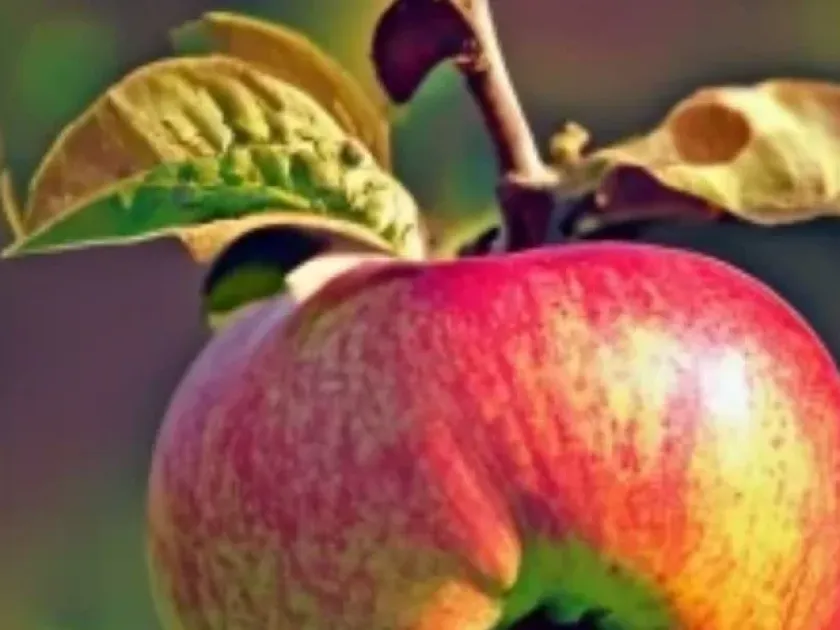
The most diagnostic sign of an infestation is the inward curling of leaf margins on young shoots. The leaves fold along the midrib, forming tight, roll-like structures that protect the larvae inside.
If these rolled leaf margins are opened, one can observe multiple small, white larvae. Their presence inside these enclosures confirms the midge's activity and the ongoing damage to the plant tissue.
The terminals of affected shoots often appear distorted or crooked, a condition sometimes referred to as 'shoot-tip curling.' Leaves may lose their natural green color, turning yellowish or displaying reddish necrotic spots.
- Tightly rolled or curled margins on young leaves.
- Presence of small white larvae inside leaf rolls.
- Stunted terminal shoot growth and distorted leaf development.
- Premature yellowing or browning of affected leaf tissues.
- Increased incidence of secondary foliage diseases on stressed shoots.
In addition to these signs, severe infestations can lead to premature leaf drop, leaving the ends of branches bare and significantly reducing the tree's energy-producing canopy.
Control measures
Effective management begins with strict orchard hygiene. Pruning and removing infested shoot tips during the early stages of infestation can significantly reduce the pest population before it spreads.
Soil management, such as cultivating or turning over the soil beneath the tree canopy in late autumn or early spring, helps disrupt the pupation site and exposes the overwintering pupae to predators and cold.
Chemical control is most effective if applied during the flight phase of the adults. Systemic insecticides are generally preferred as they penetrate the plant tissues, reaching the larvae protected within the rolled leaves.
Biological control methods, including the use of entomopathogenic nematodes applied to the soil, have shown promise in reducing overwintering populations, offering a sustainable alternative to broad-spectrum pesticides.
Monitoring using yellow sticky traps is essential for timing interventions correctly. By tracking the population density of adults, growers can apply treatments only when necessary, minimizing the impact on beneficial insects.
Taxonomy
- Latin name
- Contarinia mali
- Order
- Diptera (flies)
- Family
- Cecidomyiidae
- EPPO code
- CONTML
Discussion
No discussions yet — be the first.