
Arthrocnodax
Arthrocnodax
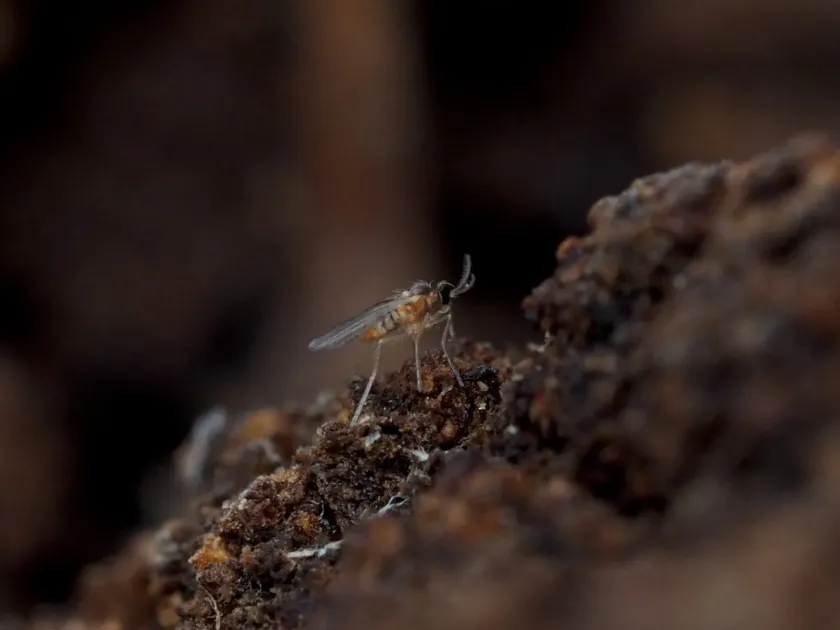
Description
How to identify
Arthrocnodax is a genus of gall midges belonging to the family Cecidomyiidae within the order Diptera. These insects are characterized by their small, fragile, and slender body structure.
The larvae of this genus often lead a cryptic lifestyle, living on the surface of plant tissues or within colonies of other insects, which they may prey upon in some cases.
Proper identification of specific Arthrocnodax species is quite complex, as it typically requires microscopic examination and entomological expertise to differentiate them from other closely related genera.
It is crucial for agronomists to distinguish between harmful phytophagous species and beneficial predatory species within this genus, as many serve as natural biological controls for mites and aphids.
Effective monitoring should be based on accurate species determination to prevent unnecessary and potentially harmful pesticide applications that could disrupt beneficial insect populations.
What it damages
Arthrocnodax species can cause significant damage to a wide range of horticultural, orchard, and ornamental crops, leading to both aesthetic and economic losses.
The primary damage is caused by larvae feeding on plant tissues, which often results in leaf deformation, necrosis, and the development of abnormal growths or galls on the plants.
In greenhouses, these midges can become a major pest because the controlled environment provides ideal conditions for rapid reproduction and multiple generations per season.
Feeding activities often weaken the plant, making it more susceptible to secondary fungal or bacterial infections that further degrade the quality of the product.
Severe infestations can lead to stunted growth, loss of flower buds, and a significant reduction in overall yield, affecting the marketability of the produce.
When it appears
The seasonal activity of Arthrocnodax begins in early spring, when overwintering adults emerge and start laying eggs on the newly developed leaves or shoots.
During the summer months, warm and humid conditions facilitate rapid population growth, often allowing for several generations to develop within a single growing season.
In greenhouse settings, Arthrocnodax can remain active throughout the entire year, as the indoor environment lacks the natural winter dormancy triggers.
Winter survival is typically achieved through pupation in the soil or protected crevices of plant stems or debris, which serves as a reservoir for the next season's infestation.
Monitoring should be most intensive during the peak growing periods when high temperatures and optimal host plant conditions align to promote midge outbreaks.
Signs of infestation
Key signs of Arthrocnodax infestation include the presence of curled, wrinkled, or distorted leaves that often exhibit discoloration or necrotic patches.
- Malformation of developing buds or new vegetative shoots.
- Presence of tiny, yellowish to translucent larvae hiding within leaf axils or curled leaf edges.
- Presence of sticky residues or honeydew-like secretions on plant surfaces in the affected areas.
- Overall stunted development of the plant despite adequate watering and fertilization.
Inspections should focus on the tender parts of the plant and the underside of leaves, using a hand lens for a better view of the small larvae.
Control measures
Integrated Pest Management (IPM) is the most effective approach for controlling Arthrocnodax, emphasizing long-term prevention through multiple tactics.
Good agricultural practices, such as removing infested plant parts and deep soil cultivation after harvest, can significantly reduce overwintering sites for the midges.
Biological control using natural predators or parasites is highly recommended for greenhouse environments to keep pest numbers below the economic threshold without chemicals.
Chemical control should be applied judiciously, utilizing selective systemic insecticides during the early stages of infestation to prevent the midges from entering protected areas of the plant.
It is essential to rotate pesticide classes to manage resistance development and to ensure that treatments are targeted specifically to the pest's life cycle stages.
Taxonomy
- Latin name
- Arthrocnodax
- Order
- Diptera (flies)
- Family
- Cecidomyiidae
- EPPO code
- ARTCSP
Discussion
No discussions yet — be the first.