
Avocado gall midge
Bruggmanniella perseae
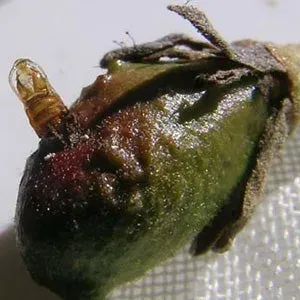
Description
How to identify
The avocado gall midge, scientifically known as Bruggmanniella perseae, is a small insect belonging to the Cecidomyiidae family within the order Diptera. These fragile midges are notoriously difficult to detect in the field due to their minute size and elusive behavior.
The life cycle of this pest is intricately linked to the developmental stages of the avocado tree. The larvae develop internally within plant tissues, which leads to the formation of specific structures known as galls, where the insects find protection and nutrition.
Proper identification usually requires professional entomological assessment. Because adult flies spend most of their time hidden in the foliage or near developing fruit, they are rarely seen by farmers, making the galls themselves the primary diagnostic tool.
Biological studies of Bruggmanniella perseae suggest that it has evolved into a specialized pest of the Persea genus. Its ability to complete multiple generations within a single season allows populations to build up rapidly in favorable weather conditions.
Accurate identification is vital for developing successful pest management programs. Experts often utilize microscopic analysis of larval or adult stages to confirm the presence of this specific species versus other gall-forming insects that might infest similar crops.
What it damages
The primary host for this pest is the avocado tree (Persea americana). The larvae cause significant stress to the host by feeding on vegetative organs and developing fruit, leading to both direct damage and indirect consequences.
When the larvae infest developing fruit, they cause the skin to develop characteristic bumps or galls. This deformation reduces the commercial value of the fruit, making them unsuitable for export or premium market distribution.
In addition to fruit damage, the midge attacks young shoots and stems. This interference with plant growth can stunt development, causing leaves to curl and limiting the tree's ability to produce necessary energy for crop maturation.
The presence of galls often creates entry points for secondary pathogens. Fungal and bacterial infections can easily colonize the damaged tissues, leading to rot that affects the shelf life and quality of the avocado harvest.
Under heavy infestation levels, the cumulative effect of fruit drop and growth suppression can result in severe yield losses. This makes the avocado gall midge a significant economic concern in specialized agricultural regions.
Signs of infestation
The most distinctive sign of an avocado gall midge infestation is the appearance of small, raised bumps or swellings on the surface of young, developing fruit. These galls can vary in size depending on the level of larval development.
Deformations on the petioles and leaf blades are also common indicators. If a gall is carefully dissected, one can often find the pale-colored larvae feeding inside the internal cavity of the plant tissue.
A noticeable decline in the overall vigor of the tree, combined with a lack of new shoot growth during the peak season, often serves as a warning sign that the grove is suffering from chronic midge infestation.
Early-stage infestations may be difficult to spot, but experienced scouts look for discoloration or irregular texture on the fruit surface, which signals that the internal tissues have been colonized.
- Small, wart-like galls on avocado fruit.
- Curling and distortion of young leaves.
- Premature fruit drop triggered by larval feeding.
- Presence of internal larval cavities in dissected tissue.
Control measures
Effective control of the avocado gall midge starts with strict sanitation practices. Regularly pruning and destroying infested shoots and fruit helps to significantly reduce the pest's reservoir in the grove.
Biological control remains a preferred strategy in integrated pest management (IPM). Encouraging the presence of natural predators and parasitic wasps that target Bruggmanniella perseae can keep population numbers below the economic threshold.
Chemical intervention should be reserved for periods of high infestation. When pesticides are necessary, it is crucial to use selective products that minimize harm to beneficial insects, particularly pollinators essential for avocado fruit set.
Deploying sticky yellow traps is an effective monitoring method. By tracking the activity of adult midges, farmers can time their spray applications precisely, ensuring better efficacy and reduced chemical usage.
Good agricultural practices, such as proper fertilization and efficient irrigation, keep the trees in a robust state. Healthy trees possess natural defenses that make it harder for the midge to successfully establish a population.
Taxonomy
- Latin name
- Bruggmanniella perseae
- Order
- Diptera (flies)
- Family
- Cecidomyiidae
- EPPO code
- BRUGPE
Discussion
No discussions yet — be the first.