
Bruggmanniella
Bruggmanniella
Description
How to identify
Bruggmanniella is a genus of insects belonging to the gall midge family (Cecidomyiidae) within the order Diptera. These minute insects are specialized in causing the formation of galls on various plant tissues.
Adults are tiny, fragile midges that are often nocturnal or crepuscular, making them difficult to detect. The larval stage is the primary driver of damage, residing within the plant's protective structure.
Taxonomically, the genus is part of a complex group of midges where species identification is typically achieved by analyzing the specific architecture of the galls they produce.
The life cycle is closely synchronized with the host plant's phenology. This timing ensures that larvae emerge exactly when the plant tissues are most susceptible to colonization.
Due to high reproductive rates, populations can expand rapidly under favorable climatic conditions, potentially affecting large numbers of host plants within a short period.
What it damages
The host range includes various plant species, with significant impact on ornamental plants and certain tropical crops. The larvae predominantly target developing tissues like buds, young leaves, and ovaries.
Upon infestation, larvae induce abnormal cell growth, resulting in the creation of a gall. This structure serves as a dedicated feeding site, providing the larvae with nutrition and protection.
Affected plant parts experience reduced photosynthetic efficiency, leading to stunted growth and impaired development. Heavy infestations often result in severe deformation of shoots and foliage.
When reproductive organs are colonized, the plant often sheds buds or flowers prematurely, directly reducing yield for fruit-bearing or flowering specimens.
The gall site frequently weakens the plant's natural defenses, making it susceptible to secondary infections by bacteria or fungi, which can lead to further decline of the host.
Signs of infestation
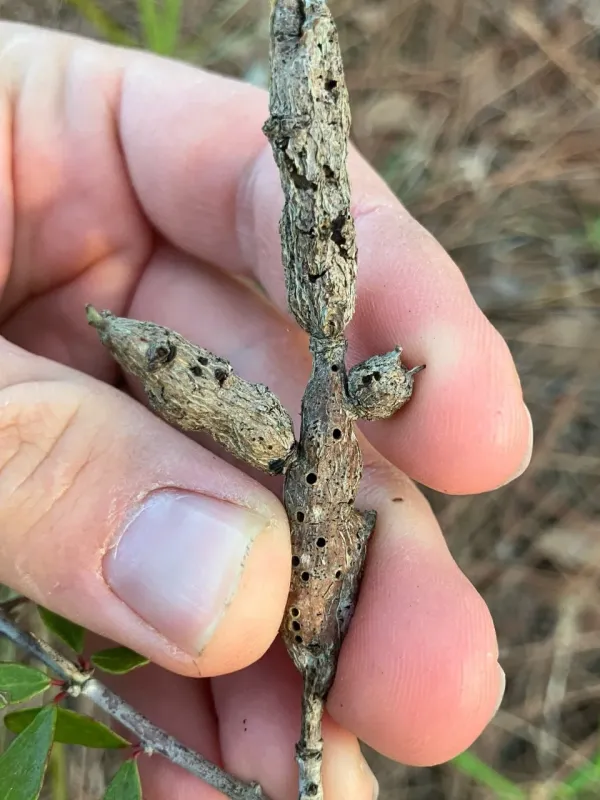
The most prominent sign of infestation is the appearance of abnormal swellings, bumps, or distorted growth on leaves, stems, or petioles.
Curling of leaves and premature discoloration are common early warnings that suggest internal tissue damage caused by larval feeding.
Initial signs may be subtle, but a thorough inspection will reveal small exit holes or localized thickenings along the veins of the leaves.
Dissecting a suspected gall will reveal tiny, legless larvae, which are typically white, yellow, or orange in color, living inside the cavity.
A general lack of vigor and arrested development in apical shoots, despite a lack of traditional disease symptoms, is a strong indicator of internal pest activity.
Control measures
Controlling Bruggmanniella is challenging because the larvae are safely sequestered inside galls, rendering contact insecticides largely ineffective against them.
The most effective strategy is the manual removal and destruction of infested plant parts as soon as galls are identified to prevent the next generation's emergence.
Systemic insecticides should be applied only during the adult flight phase or egg-laying period, before the larvae have successfully established the gall structure.
Cultural practices, such as tilling the soil around the base of the plant, can help disrupt the life cycle by destroying pupae overwintering in the soil.
Biological control, including the encouragement of natural predators or the use of entomopathogenic fungi, provides a sustainable approach to managing pest population density.
Taxonomy
- Latin name
- Bruggmanniella
- Order
- Diptera (flies)
- Family
- Cecidomyiidae
- EPPO code
- BRUGSP
Discussion
No discussions yet — be the first.