
Bremiola
Bremiola
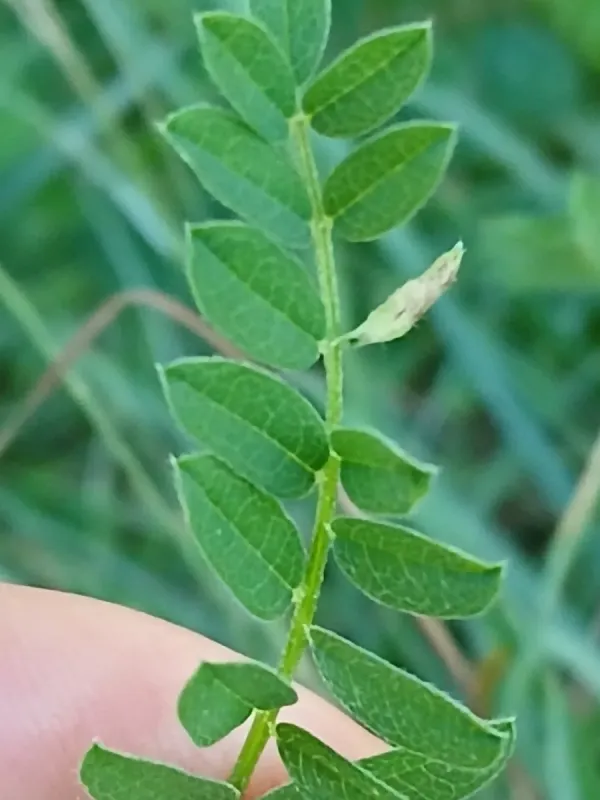
Description
How to identify
Bremiola is a genus of insects belonging to the family Cecidomyiidae (gall midges), part of the order Diptera. These are tiny flies known for their discreet behavior and small size.
Adult insects are extremely small, often resembling tiny mosquitoes with fragile legs and clear wings. Their secretive habits make them difficult to spot in the field.
The life cycle involves the larvae living inside the plant tissues, which provides them with a high level of natural protection against many environmental factors and insecticides.
The taxonomy of this genus is specialized, with certain species showing strong host-plant preferences, which determines their geographical distribution and impact.
Understanding their biology is essential for agronomists, especially when dealing with specific leaf-feeding pests that cause structural changes to the crop.
What it damages
Bremiola species primarily attack plants in the Asteraceae family, including various types of lettuce, where they feed on plant sap.
The feeding activity of the larvae disrupts the plant's normal physiological functions, leading to localized tissue damage and metabolic imbalances.
A key indicator of their presence is the formation of galls, which are abnormal growths or swellings on leaves or stems induced by the larvae's feeding process.
These galls and deformed areas reduce the photosynthetic surface of the plant, significantly impacting growth rates and overall harvest yields.
In leafy vegetable crops, the aesthetic damage caused by these pests can lead to total loss of marketability, making them a significant economic threat.
When it appears
The activity of Bremiola aligns with the growing season of its host plants, typically peaking in late spring and throughout the summer months.
Depending on local climate conditions, several generations can occur within a single year, allowing the population to increase rapidly under favorable conditions.
The adult flight phase usually occurs during calm weather, which should be monitored using yellow sticky traps to identify the timing of infestation.
In greenhouses or protected cropping systems, the cycle can be accelerated, leading to year-round pest pressure if not managed properly.
Monitoring the environmental conditions and the developmental stage of the crop is crucial to predicting and preventing potential infestations.
Signs of infestation
Initial signs often manifest as subtle spotting or tissue distortions that can easily be misidentified as plant diseases or nutritional deficiencies.
Upon closer inspection of the leaf underside, you may notice small larval clusters or the characteristic swelling of the tissue forming the gall.
Plants affected by Bremiola exhibit stunted growth, chlorosis, and general signs of stress due to the continuous feeding pressure from the larvae.
Secondary infections, such as fungi or bacteria, frequently enter the plant through the wounds created by the gall midges, complicating the diagnosis.
- Distortion or curling of young leaves.
- Development of distinct gall-like swellings on stalks.
- Yellowing of leaves around the feeding sites.
- General failure of the crop to reach full size.
Control measures
Integrated Pest Management (IPM) is the most effective approach for controlling Bremiola, starting with crop rotation and sanitation practices.
Removing and destroying infested plant material immediately is necessary to prevent the spread of the pest to healthy parts of the crop.
Biological control, using specific parasitoids or predatory insects that target gall midges, is recommended for sustainable production systems.
Chemical control measures are only effective if applied before the females lay eggs, as the larvae are shielded from contact sprays once they are inside the plant.
Regular monitoring with sticky traps allows for timely intervention, ensuring that protection measures are deployed during the most vulnerable stage of the pest's life cycle.
Taxonomy
- Latin name
- Bremiola
- Order
- Diptera (flies)
- Family
- Cecidomyiidae
- EPPO code
- BRELSP
Discussion
No discussions yet — be the first.