
Aphidoletes
Aphidoletes aphidimyza
Description
How to identify
Aphidoletes (Aphidoletes aphidimyza) is not a pest, but a highly effective predatory midge belonging to the family Cecidomyiidae.
The adult midge is a delicate, long-legged insect, approximately 2-3 mm long, which feeds on nectar and is harmless to plants and human health.
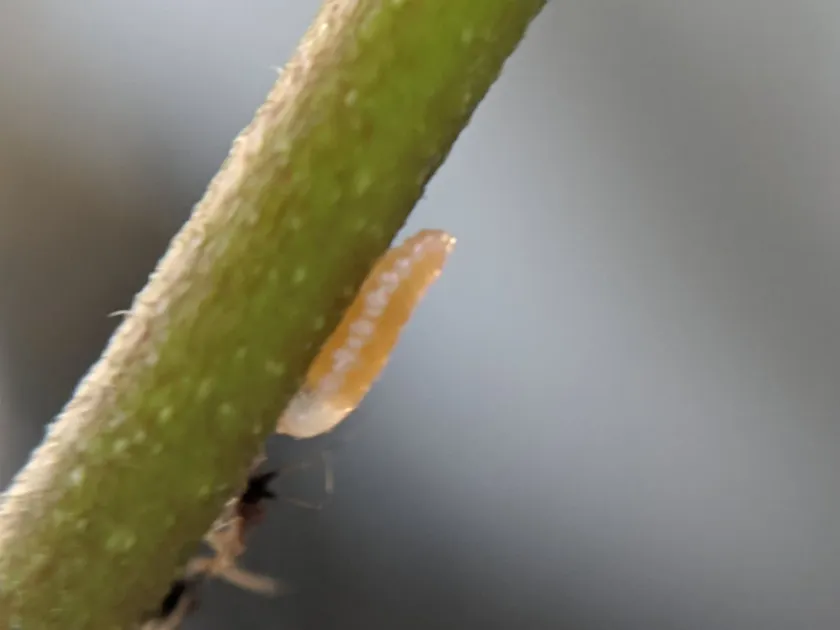
The predatory stage is the larva, which has a distinct bright orange or reddish appearance and moves agilely across leaves searching for prey.
These larvae are specialized predators that feed exclusively on aphids, making them a cornerstone of integrated pest management strategies worldwide.
Successful colonization in protected crops requires specific environmental conditions, including temperatures between 18°C and 25°C and high relative humidity.
What it damages
This insect causes no damage to crops; instead, it is a beneficial organism used to mitigate aphid damage in various horticultural settings.
It is commonly deployed to control aphid populations on vegetables such as tomatoes, cucumbers, peppers, and various ornamental plants in greenhouses.
The larvae prey upon a wide range of aphid species, including the melon aphid, green peach aphid, and potato aphid, which are major agricultural pests.
By consuming large numbers of aphids—up to 50 per day for a single larva—the species prevents aphid outbreaks and protects plant vitality.
The use of Aphidoletes aphidimyza supports sustainable agriculture by reducing the need for synthetic chemical insecticides and promoting biodiversity.
When it appears
In outdoor environments, the activity of the midge begins in the spring, once temperatures remain consistently above 15°C.
In greenhouses, where climate conditions are strictly controlled, the midge can be used year-round to maintain aphid populations below economic damage thresholds.
When environmental conditions become unfavorable, larvae undergo pupation in the soil and enter a state of diapause to survive until the next season.
Populations tend to spike in response to high aphid density, which naturally synchronizes the predator with the presence of its food source.
Early intervention with commercial releases is recommended as soon as the first aphids are detected to ensure the predator establishes itself before an infestation becomes severe.
Signs of infestation
The primary sign of effective control is the presence of the small, bright orange larvae crawling directly through aphid colonies on the underside of leaves.
Evidence of predation is characterized by empty aphid husks, as the larva pierces the aphid and extracts all internal fluids, leaving only the exoskeleton.
If the population is sufficient, aphid colonies will visibly decline, and plants will show reduced signs of curling or wilting caused by sap-sucking pests.
Careful inspection of the soil or substrate surface may reveal small, soil-covered pupae, which indicate a self-sustaining cycle within the crop.
The overall stability of the plant canopy and the absence of rapid pest proliferation are strong indicators that the predatory midge is working effectively.
Control measures
Since the midge is a beneficial tool, management focus is placed on protecting the population from negative environmental impacts.
Avoid the application of broad-spectrum insecticides, as these chemicals are toxic to the midge and will destroy the biological control program.
If pesticide application is unavoidable, select narrow-spectrum products that have a low impact on natural enemies and a short residual effect.
Maintain proper moisture levels in the growing medium, as the pupae are sensitive to dry conditions and require consistent humidity to emerge as adults.
Integrating habitat patches or refuge plants can enhance the long-term success of the midge by providing alternative nectar sources for the adult midges.
Taxonomy
- Latin name
- Aphidoletes aphidimyza
- Order
- Diptera (flies)
- Family
- Cecidomyiidae
- EPPO code
- APHLAP
Discussion
No discussions yet — be the first.