
Aphidoletes thompsoni
Aphidoletes thompsoni
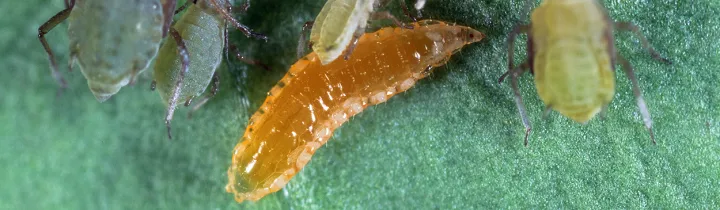
Description
How to identify
Aphidoletes thompsoni belongs to the order Diptera and the family Cecidomyiidae (gall midges). These are minute insects, often overlooked in the field due to their small size and cryptic habits during their lifecycle.
Adults typically measure between 2 and 3 millimeters in length. They possess a delicate body structure, long slender legs, and fragile wings, which are characteristic traits of the gall midge family, making them difficult to identify without magnification.
The life cycle encompasses egg, larva, pupa, and adult stages. While many gall midges are known for their predatory nature against aphids, some species like Aphidoletes thompsoni have complex relationships with host plants, potentially impacting plant health.
Accurate identification usually requires specialized entomological knowledge. Because they resemble other non-harmful or even beneficial species, experts rely on microscopic examination of morphological features to distinguish them from other Cecidomyiidae.
The insects thrive in habitats with high humidity and moderate temperatures. They are most commonly found in sheltered, moist environments that provide optimal conditions for their reproductive success throughout the growing season.
What it damages
This pest is known to affect a range of vegetable crops, including members of the Solanaceae family. The larvae feed on plant sap, disrupting the normal physiological processes in developing plant tissues.
Feeding at the growth points leads to significant deformation of shoots and leaves. This inhibits the plant's natural growth rate, leading to stunted development and reduced overall vigor of the crop.
The feeding sites created by the larvae often serve as entry points for secondary pathogens, such as bacteria and fungi, which can cause rotting and further weaken the health of the vegetable crops.
In intensive greenhouse environments, infestations can lead to substantial yield losses. If not properly managed, the pest's population can escalate rapidly, affecting both the quality and quantity of the harvest.
- Deformation of terminal shoots and new leaves.
- General stunting of the plant's growth.
- Development of necrotic spots on foliage.
- Reduced market value and size of the harvested produce.
When it appears
The activity of Aphidoletes thompsoni generally aligns with the active growing season. Warm weather combined with sufficient moisture levels creates the perfect environment for multiple generations to occur during the summer months.
Within controlled greenhouse environments, the pest can remain active year-round if temperatures are maintained at optimal levels, leading to overlapping generations and continuous pressure on the plants.
Overwintering typically takes place in the soil or under leaf litter, where pupae remain dormant until the spring. As soil temperatures rise, the adults emerge to find suitable host plants for oviposition.
The number of generations per year is highly dependent on regional climate conditions. In warmer areas, several generations may develop, necessitating continuous monitoring and proactive management strategies.
Early detection is crucial. Monitoring should begin as early as late spring using yellow sticky traps to track the population density and identify the initial emergence of adults before they lay eggs.
Signs of infestation
The first observable signs include the curling or asymmetrical development of young leaves at the top of the plant. A close inspection of these areas often reveals early-stage damage caused by larval feeding.
Presence of fine debris or excretion on the leaf surface may indicate the presence of the larvae. As the infestation progresses, leaves may yellow or drop prematurely, signaling severe damage to the plant system.
Adults are rarely seen due to their size, but they can sometimes be spotted on the undersides of leaves or near the base of the plant during the early morning hours, seeking moisture.
A sudden decline in the health of plants without clear fungal symptoms often warrants an investigation into the soil and growth nodes for the presence of gall midge larvae.
Using a ten-power hand lens is recommended for inspecting leaf axils and crevices where these insects often hide to avoid direct sunlight and dehydration during the peak hours of the day.
Control measures
Integrated Pest Management (IPM) is the most effective approach. Cultural practices, such as the removal and destruction of crop residues after harvest, are essential to eliminate overwintering sites for the pest.
Practicing crop rotation helps disrupt the pest's life cycle. By planting non-host crops in previously infested areas, farmers can significantly reduce the population density of Aphidoletes thompsoni over time.
Biological control, including the use of naturally occurring predators, can help maintain populations below economic thresholds. Minimizing the use of broad-spectrum insecticides helps preserve these natural enemies.
When chemical control is necessary, select insecticides that are specifically approved for gall midges and apply them according to the label, ensuring that pre-harvest intervals are strictly observed to guarantee food safety.
Sanitation of greenhouse structures and equipment between planting cycles is vital to prevent the carry-over of pupae into the new season, ensuring a clean start for the next crop cycle.
Taxonomy
- Latin name
- Aphidoletes thompsoni
- Order
- Diptera (flies)
- Family
- Cecidomyiidae
- EPPO code
- APHLTH
Discussion
No discussions yet — be the first.