
Blueberry gall midge
Prodiplosis vaccinii
Description
How to identify
The blueberry gall midge (Prodiplosis vaccinii) is a small insect belonging to the order Diptera and the family Cecidomyiidae. Adult midges are extremely small, resembling tiny flies, and are rarely seen by the naked eye during regular field inspections.
The biology of this pest is closely synchronized with the growth stages of plants in the Vaccinium genus. It undergoes a complete metamorphosis, including egg, larva, pupa, and adult stages, with the larval stage being the primary culprit for plant damage.
Larvae are typically pale or yellowish in color. Equipped with specialized mouthparts, they feed internally on the most tender tissues of the plant, specifically targeting the terminal buds and newly emerging leaves.
The rate of development is highly dependent on ambient temperature and humidity levels. Under optimal conditions, the midge can complete several generations within a single growing season, making it a persistent threat to berry production.
The species overwinters as a larva or pupa within a cocoon, primarily in the soil or under leaf litter. This strategy provides effective protection against extreme winter temperatures and allows for rapid emergence during the early spring.
What it damages
The blueberry gall midge primarily infests commercial and wild blueberry and highbush blueberry crops. Young plantations are particularly vulnerable, as the timing of new shoot growth often coincides with the peak activity of the pest.
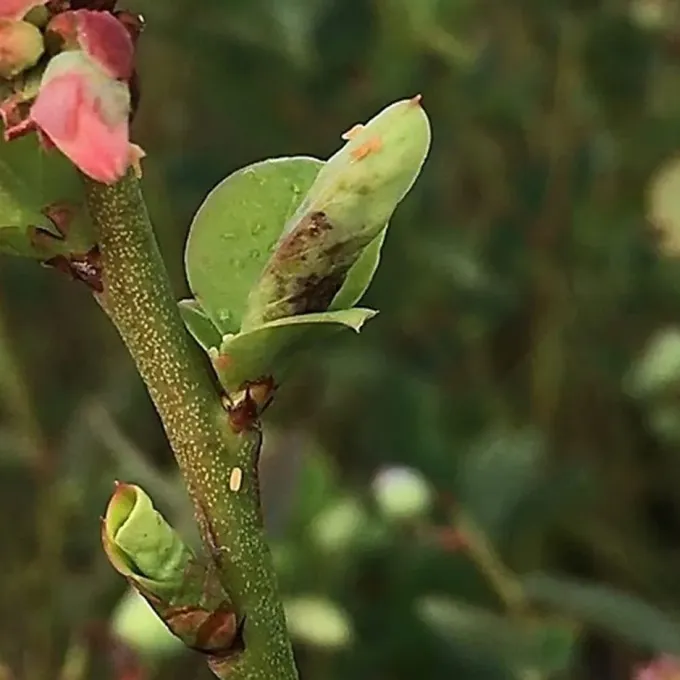
The damage caused by Prodiplosis vaccinii involves the destruction of terminal growing points. As the larvae feed, they release enzymes that cause the terminal leaves to curl, twist, and eventually wither, halting the normal vertical growth of the shoot.
Stunted growth is a hallmark of this infestation. Affected shoots often exhibit a rosette-like appearance or fail to develop altogether. This significantly reduces the plant's capacity to build vegetative mass and prepare for future fruit production.
In cases of high infestation, flower bud formation is severely compromised, directly impacting crop yields. Furthermore, the stressed condition of the plant makes it significantly more susceptible to secondary pathogens, including various fungal blights.
Economic losses can be substantial, as deformed plants require additional labor for pruning and show reduced overall productivity throughout the entire lifespan of the bush.
Signs of infestation
The first signs of an infestation include the curling and yellowing of the youngest leaves at the tips of the shoots. As the damage progresses, these leaves may turn reddish and become brittle, failing to expand properly.
Closer examination of the curled leaves reveals the presence of tiny, translucent larvae hiding within the folds of the damaged tissue. Fecal matter, appearing as small dark specks, is also commonly found within the infested terminals.
The cessation of apical dominance is a definitive symptom. The shoot tips appear knotted and distorted, effectively terminating the terminal growth and forcing the plant to produce stunted lateral branches.
Overall, the infested bushes appear thin and unhealthy due to the loss of apical productivity. The loss of foliage reduces the photosynthetic capacity of the plant, weakening it over the long term.
- Curling of terminal leaves.
- Stunting of shoot tips.
- Presence of larvae in leaf folds.
- Reddening of damaged leaf tissue.
- Death of apical buds.
Control measures
Sanitation is the cornerstone of managing the blueberry gall midge. Pruning and destroying infested terminal shoots at the first sign of damage can effectively reduce the population by removing larvae before they pupate.
Monitoring using pheromone or sticky traps is essential to determine the emergence timing of adults. This allows growers to apply chemical treatments only when necessary, minimizing the impact on beneficial insects.
Chemical control involving systemic insecticides is often required in high-pressure areas. These chemicals must be applied when larvae are active and accessible to ensure maximum efficacy against protected populations inside the curled leaves.
Sound cultural practices, such as adequate irrigation and balanced fertilization, maintain plant vigor. A healthy, robust bush has better chances of compensating for early-season damage compared to a stressed plant.
Soil cultivation between rows during the off-season can disrupt the pupae residing in the soil, leading to a significant decrease in the overwintering survival rate of the pest population.
Taxonomy
- Latin name
- Prodiplosis vaccinii
- Order
- Diptera (flies)
- Family
- Cecidomyiidae
- EPPO code
- CONTVA
Discussion
No discussions yet — be the first.