
Boxwood leafminer
Monarthropalpus buxi
Description
How to identify
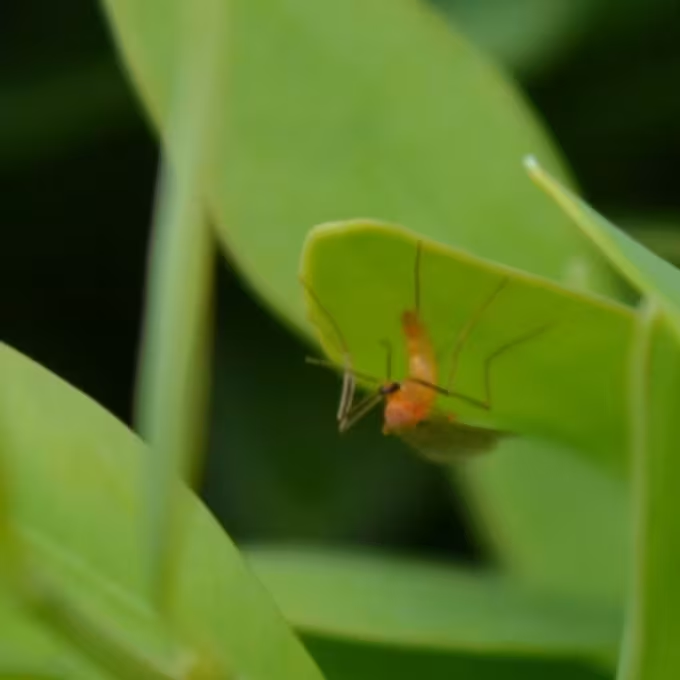
The boxwood leafminer (Monarthropalpus buxi) is a small fly belonging to the Cecidomyiidae family, also known as gall midges. Adult midges are tiny, orange-yellow insects, measuring about 2–3 mm in length, which makes them difficult to spot in the field.
This pest completes one generation per year. Larvae overwinter inside the foliage of the boxwood plant. This internal development protects them from external weather conditions and predators during the cold winter months.
In spring, the larvae pupate inside the leaves. By late spring, usually in May, adult midges emerge from the leaves to mate. Females then lay their eggs directly into the leaf tissue of new growth.
Once the eggs hatch, the larvae tunnel into the leaf tissue, creating mines or small chambers. They feed on the leaf's internal cells throughout the summer and autumn, which causes the characteristic symptoms.
The severity of an infestation often depends on environmental factors. Warm and humid springs provide ideal conditions for the emergence and spread of the midges, potentially causing significant aesthetic damage to hedges and topiary.
What it damages
The primary host for this pest is common boxwood (Buxus sempervirens). The larvae feed inside the leaf, damaging the internal structures, which leads to stunted plant growth and overall loss of ornamental value.
Signs of infestation
Initial signs of infestation appear as small, slightly yellow or bronze-colored spots on the upper surface of the leaf. These marks indicate where female midges have laid their eggs.
As the larvae grow, they cause swellings or bumps to form on the underside of the leaf. These bumps, often described as blisters, are the most reliable indicator of an active leafminer infestation.
Heavy infestations lead to leaf discoloration, curling, and premature shedding of the foliage. This often results in thin, unsightly branches, which ruins the appearance of manicured hedges and garden sculptures.
If you split open one of the blistered leaves, you can usually find the small, orange, legless larvae inside. These larvae persist within the leaves until the next spring when they emerge as adults.
- Yellow or bronze spots on the upper leaf surface.
- Blister-like bumps on the underside of the leaves.
- Leaf distortion and curling.
- Premature leaf drop.
- Weakened plant vigor and stunted growth.
Control measures
Managing the boxwood leafminer effectively requires timely action, primarily focused on targeting the adult midges during their brief emergence period in May before eggs are deposited.
Systemic insecticides are the most effective treatment, as they are absorbed by the plant and kill the larvae hidden within the leaf tissue. Timing the application to coincide with adult emergence is critical.
Cultural control measures include pruning and removing heavily infested branches. It is essential to dispose of the infested clippings appropriately to prevent the emergence of new adults in the following season.
Maintaining plant health through proper fertilization and watering helps the boxwood recover more quickly from an infestation. Healthy plants are also less susceptible to secondary diseases that often follow pest attacks.
In large-scale plantings, monitoring for adult midges using yellow sticky traps can help determine the exact timing for chemical applications, ensuring maximum efficiency while minimizing the use of chemicals.
Taxonomy
- Latin name
- Monarthropalpus buxi
- Order
- Diptera (flies)
- Family
- Cecidomyiidae
- EPPO code
- MNARBU
Discussion
No discussions yet — be the first.