
Agapanthus gall midge
Enigmadiplosis agapanthi
Description
How to identify
The Agapanthus gall midge (Enigmadiplosis agapanthi) is a small dipteran insect belonging to the Cecidomyiidae family. The adult form is a minuscule midge, often overlooked due to its tiny size and secretive behavior.
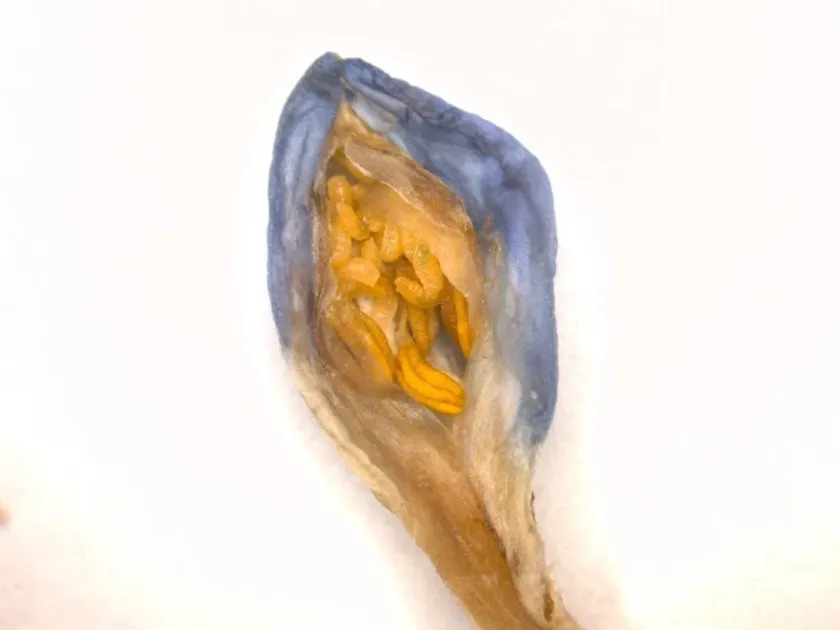
The larval stage, which causes the damage, is a small, legless, worm-like creature, typically white or yellowish. These larvae reside inside the plant tissue, remaining protected from external factors.
This species is a highly specialized pest that has co-evolved with Agapanthus plants. It relies entirely on the developmental cycles of its host to complete its lifecycle.
Global movement of this pest is primarily facilitated through the trade of infested plant material, specifically rhizomes and container-grown plants, where larvae hide within the dormant tissues.
Identification is challenging for non-specialists, as the symptoms caused by the midge are often confused with nutrient deficiencies, water stress, or fungal infections.
What it damages
The primary host for this pest is the Agapanthus. The midge targets the plant's reproductive structures, specifically the developing flower buds during their earliest stages of formation.
Once the eggs hatch, the larvae burrow into the bud tissue and begin feeding. This feeding disrupts the normal cell development required for the flower to open properly.
The resulting damage includes deformed, aborted, or bloated buds that never reach anthesis. In severe cases, the entire inflorescence may wither and die within the flower stalk.
In addition to destroying the flowers, the presence of the midge can cause cosmetic damage to the surrounding foliage, reducing the overall ornamental value of the plant.
If left unmanaged, the pest can cause significant population declines in flower production, rendering entire garden displays or nursery stocks non-viable for sale.
When it appears
The pest's activity is closely tied to the plant's growth cycle, beginning as the flower stalks emerge from the leaf rosette in late spring and early summer.
Multiple generations can be produced within a single growing season, provided that environmental conditions and host availability remain optimal.
Pupation may occur within the infested bud or in the soil near the base of the plant, depending on the moisture level and the stage of the plant's development.
The peak period for egg-laying by adult females coincides with the stage when the buds are soft and succulent, providing an ideal site for larval development.
In greenhouse settings or indoor climates, the gall midge can potentially remain active throughout the year, necessitating year-round monitoring strategies.
Signs of infestation
The earliest sign of infestation is the appearance of malformed, swollen, or stunted buds that fail to open despite reaching the expected flowering height.
- Yellowing of the bud tissue followed by premature browning or necrosis.
- Tiny exit holes on the bud surface, indicating that adult midges have successfully emerged.
- The interior of the bud being hollowed out or filled with decaying tissue and larval waste.
- General failure to thrive, with flower stalks appearing shorter or stunted compared to healthy specimens.
- Secondary fungal growth occurring on the damaged tissues, often masking the original insect injury.
Control measures
Preventative quarantine is the most effective management strategy. Always inspect newly acquired Agapanthus plants carefully before introducing them into the garden.
If an infestation is detected, prompt sanitation is critical. Affected buds and inflorescences should be immediately removed and destroyed (preferably by burning) to stop the cycle.
Chemical control involving systemic insecticides is effective, provided the chemicals are applied when the larvae are actively feeding within the bud tissues.
Biological control methods, such as the application of entomopathogenic nematodes to the soil, can help target the pupal stage of the midge, reducing overall population pressure.
Ongoing monitoring and the regular removal of suspicious buds will help manage the population and preserve the plant's health and decorative appearance over multiple seasons.
Taxonomy
- Latin name
- Enigmadiplosis agapanthi
- Order
- Diptera (flies)
- Family
- Cecidomyiidae
- EPPO code
- ENIGAG
Discussion
No discussions yet — be the first.