
Asynapta
Asynapta
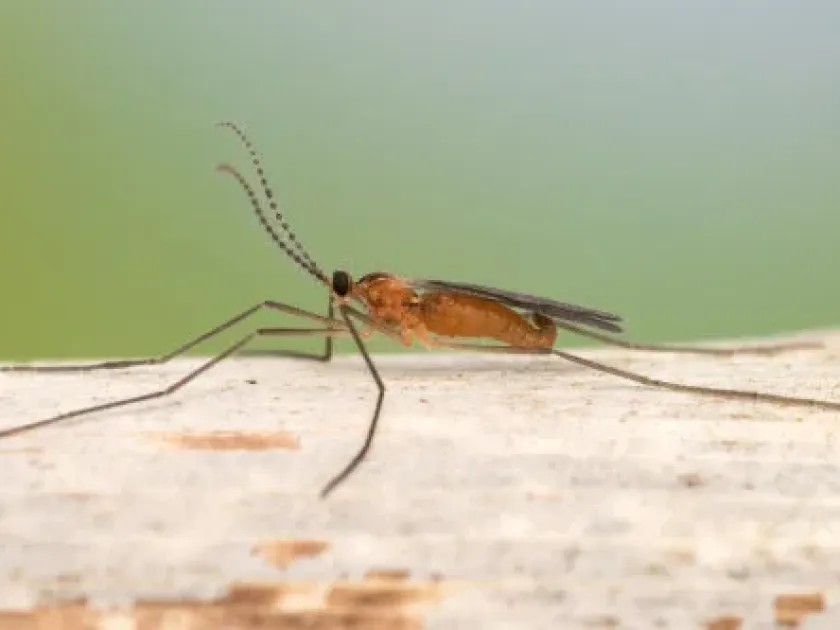
Description
How to identify
Asynapta is a genus of gall midges belonging to the family Cecidomyiidae within the order Diptera. These small flies are often cryptic, making them difficult to detect without careful observation.
Larvae of Asynapta are typically legless and maggot-like, ranging in color from white to pale yellow. They inhabit internal plant tissues, protected from the external environment.
The taxonomic identification of species within this genus is complex, as many are morphologically similar and host-specific to certain tree species.
Adults are short-lived, with their primary biological function being to locate suitable host trees for oviposition and to ensure the survival of the next generation.
Understanding the life cycle is essential, as the specific host plant choice varies depending on the geographic distribution and ecological conditions of the region.
What it damages
These pests primarily target conifers, including pine and spruce trees, although some species may impact deciduous trees or ornamental woody plants.
The larvae feed on the cambium layer beneath the bark. This feeding activity disrupts the vascular system, hindering the transport of water and nutrients throughout the tree.
Trees infested with Asynapta show signs of reduced vigor and growth. Prolonged infestations often lead to significant branch dieback or total tree mortality.
Young trees and seedlings are particularly vulnerable, as their smaller circumference allows larvae to easily ring the stem, effectively killing the plant.
The damage caused by larvae also creates entry points for secondary pathogens and wood-boring insects, further exacerbating the structural decline of the host tree.
When it appears
The emergence of adults typically occurs in the spring, coinciding with the onset of the growing season and increased sap flow in trees.
Females deposit eggs in bark crevices or previously damaged sections of the tree. The timing is crucial to ensure larvae have immediate access to food upon hatching.
Depending on the climatic zone, Asynapta can produce one or more generations per year, with activity peaking during the warmer months.
The insect typically overwinters in the larval stage, residing either under the bark of the host tree or within the soil at the base of the plant.
Monitoring efforts should focus on the spring flight period, utilizing traps or targeted inspections of tree trunks to estimate population density.
Signs of infestation
Early symptoms of infestation include localized bark discoloration, swelling, or the appearance of resin flow as a defensive response by the tree.
Exposing the cambium layer often reveals galleries or tunnels excavated by the larvae, which are typically packed with frass and decaying wood particles.
Foliage changes, such as yellowing or premature needle drop, are common signs that the tree's internal circulation system has been compromised.
Increased presence of secondary pests, such as bark beetles, on a tree that appears otherwise healthy can be a strong indicator of an underlying Asynapta infestation.
Exit holes found on the surface of the bark indicate the successful completion of the larval development cycle and the emergence of adult flies.
Control measures
Sanitation is the most effective management tool. Removing and destroying heavily infested or dead trees reduces the local population of the pest.
Maintaining high tree vigor through proper silvicultural practices, such as appropriate spacing and site selection, helps trees naturally resist attacks.
Chemical control involving systemic or contact insecticides may be applied during the adult flight period to prevent egg-laying on susceptible trees.
Biological control methods, focusing on naturally occurring predators and parasitoids, can help suppress populations in larger forested areas.
- Sanitary removal of infected host material.
- Application of insecticides during peak adult flight.
- Encouraging natural predator populations.
- Regular health monitoring of forest stands.
- Implementation of proper tree spacing to reduce stress.
Taxonomy
- Latin name
- Asynapta
- Order
- Diptera (flies)
- Family
- Cecidomyiidae
- EPPO code
- ASYASP
Discussion
No discussions yet — be the first.