
Boxelder gall midge
Contarinia negundinis
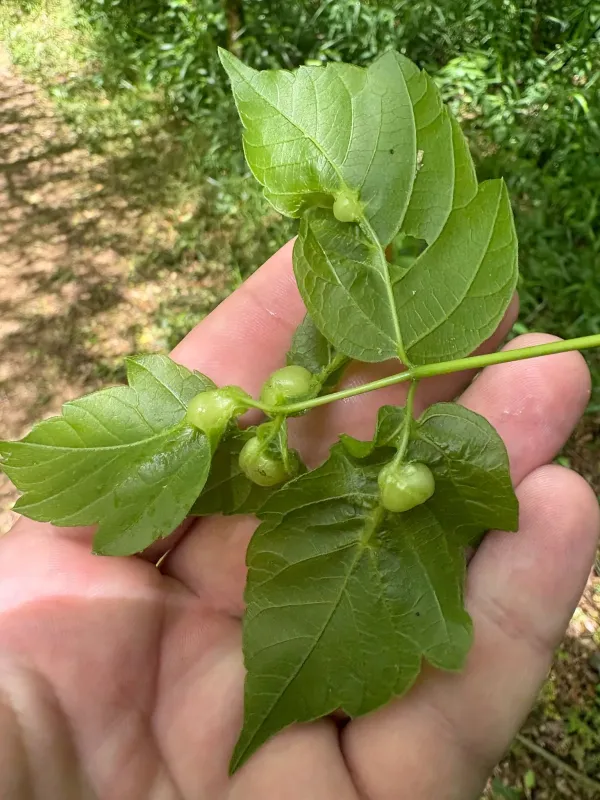
Description
How to identify
The boxelder gall midge (Contarinia negundinis) is a member of the Cecidomyiidae family, order Diptera. These minute flies are primarily recognized by the damage they cause rather than their appearance, as the adults are very small and difficult to observe.
What it damages
This pest specifically targets boxelder maples (Acer negundo). By attacking the terminal and lateral buds, the larvae disrupt the tree's normal growth patterns, causing structural deformities in the branching system.
When it appears
The life cycle of the midge is strictly seasonal, occurring in early spring. The emergence of adult midges coincides with the swelling of the maple buds, allowing the females to oviposit directly into the developing plant tissues.
Signs of infestation
Signs of infestation include distorted, swollen buds that fail to open normally during the spring. Inside these galls, the orange-colored larvae feed on the developing leaves, effectively destroying the potential for new growth.
The damage often results in the buds drying out and becoming necrotic. Over time, recurring infestations can lead to significant dieback of twigs and reduction of the tree's overall aesthetic and biological value.
Control measures
Management involves prompt removal and destruction of infested buds if the infestation is localized. In cases of high pest pressure, systemic insecticide applications during the early bud-break stage are the most effective measure.
Taxonomy
- Latin name
- Contarinia negundinis
- Order
- Diptera (flies)
- Family
- Cecidomyiidae
- EPPO code
- CECINE
Discussion
No discussions yet — be the first.