
Asphondylia
Asphondylia
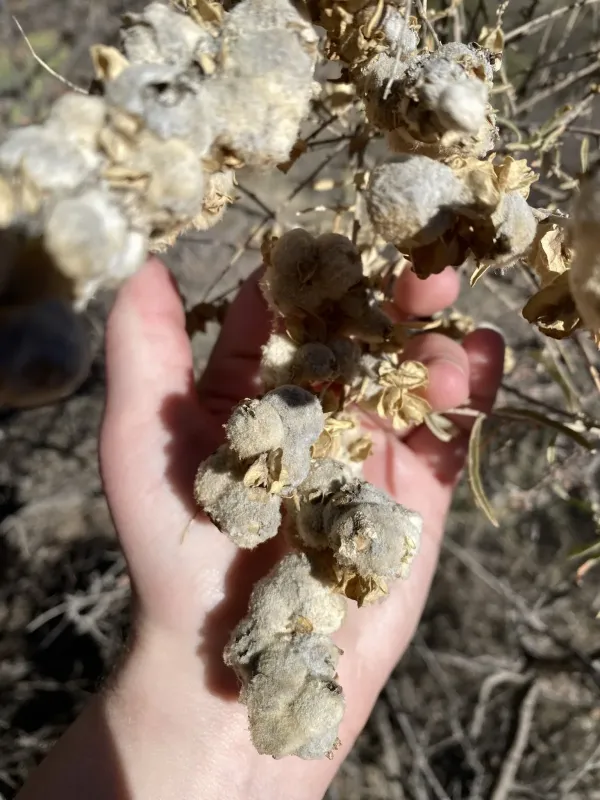
Description
How to identify
Asphondylia is a genus of gall midges in the family Cecidomyiidae (order Diptera). These tiny insects measure only 2–4 mm in length and are often covered in fine hairs, making them difficult to detect without close observation.
The defining trait of this genus is the specialized behavior of their larvae, which develop inside plant tissues and induce the formation of abnormal growths known as galls. Adult midges are usually brownish or tan, blending in with plant stems or bark.
The life cycle involves complete metamorphosis, progressing through egg, larval, pupal, and adult stages. The legless larvae are cream or yellow in color and reside within isolated chambers created by the plant’s response to their presence.
Taxonomic identification is challenging, as most species are highly host-specific. Experts often identify the species by the unique shape and structure of the gall it induces on the host plant.
Reproduction occurs during the growing season, with females using their sharp ovipositors to deposit eggs deep within plant tissues, such as buds, ovaries, or stems, ensuring the larvae are protected immediately upon hatching.
What it damages
Asphondylia species affect a wide range of plants, including legumes like alfalfa and clover, as well as various ornamental shrubs and trees. They are particularly destructive when they target reproductive structures.
The infestation causes the plant to form galls—swellings that house the larvae. This process disrupts normal plant development, often causing the host to stop fruit or seed production entirely.
In agricultural settings, these midges cause significant yield losses in seed crops. The affected ovaries frequently dry out or drop prematurely, resulting in a substantial reduction in seed viability and total output.
Severe infestations can alter the structural integrity of branches and shoots, leading to stunted growth. The damaged tissues often become susceptible to secondary infections from fungi and bacteria.
Since these midges can infest both wild flora and cultivated crops, they act as a constant threat to seed production areas, requiring careful management of the surrounding landscape.
When it appears
Activity begins in the spring when temperatures consistently exceed 10–12 degrees Celsius, which usually aligns with the bud-burst phase of host plants, signaling the emergence of overwintered adults.
The peak of damage occurs in early summer, coinciding with the development of the most numerous generation of larvae within developing fruits and flower buds. This is when the visual presence of galls is most noticeable.
The number of generations per year varies by climate, but multiple generations can occur. Pupation typically takes place within the gall itself, providing the developing insect with an environment protected from extreme weather.
Overwintering usually occurs in the larval or pupal stage inside the dried galls remaining on plant debris or in the soil, allowing the insect to survive until the next growing season.
Monitoring for adult activity using pheromone traps or sticky cards is essential for determining the timing of control measures, as interventions are only effective before eggs are laid.
Signs of infestation
The most reliable sign of an Asphondylia infestation is the presence of galls—abnormal swellings on stems, leaves, or fruit that contain interior chambers housing larvae.
Early warning signs include distorted buds or young ovaries that exhibit irregular shapes or premature yellowing/browning long before the harvest stage.
- presence of hard, swollen galls on plant stems or foliage;
- deformation and stunted growth of buds;
- premature shedding of flowers and fruits;
- tiny exit holes on the surface of galls where adults have emerged.
Dissecting a gall is the most definitive way to confirm the presence of Asphondylia. Inside, the small, legless larva will be clearly visible to the naked eye or with a hand lens.
Discolored or withered plant parts often stand out against healthy growth, allowing growers to quickly identify and manage hotspots before the infestation spreads across the field.
Control measures
Agricultural sanitation is the primary control strategy: destroying infected plant debris, performing deep autumn plowing to bury pupae, and managing wild weed hosts are essential practices.
Chemical control is limited to the adult flight period. Once the eggs are laid inside the plant tissue, the larvae are shielded from contact insecticides, making later treatments ineffective.
Biological control methods involve supporting natural parasitoids, such as parasitic wasps, which can significantly regulate Asphondylia populations in wild and semi-natural environments.
In seed production, regular scouting and the use of systemic insecticides during the budding phase are crucial to prevent the initial infestation and protect the developing ovaries.
Maintaining proper crop rotation and establishing spatial isolation from previously infected fields help minimize the risk of large-scale Asphondylia outbreaks within the farm.
Taxonomy
- Latin name
- Asphondylia
- Order
- Diptera (flies)
- Family
- Cecidomyiidae
- EPPO code
- ASPHSP
Discussion
No discussions yet — be the first.