
Arnoldiola
Arnoldiola
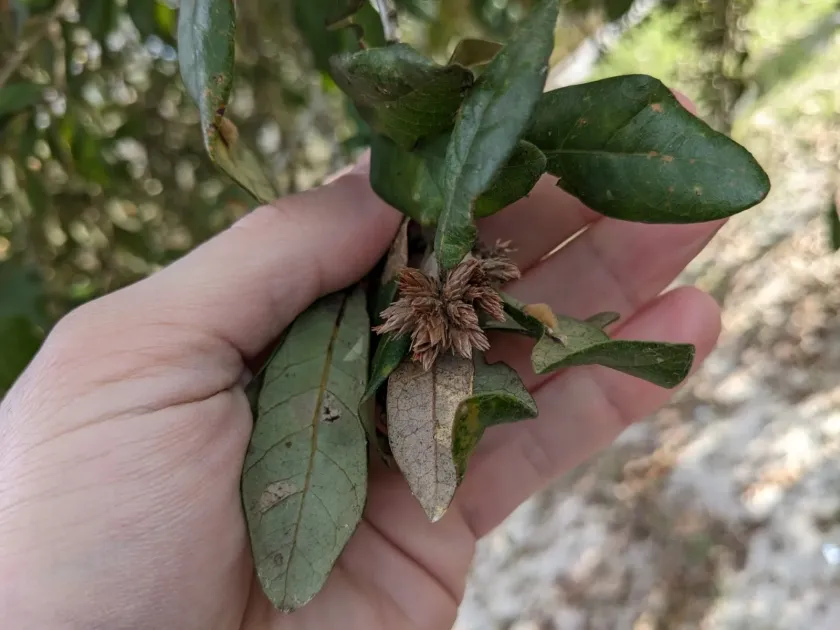
Description
How to identify
Arnoldiola is a genus of tiny insects belonging to the Cecidomyiidae family, commonly known as gall midges. These insects are small, delicate, and often overlooked due to their size, resembling diminutive mosquitoes.
The species Arnoldiola liborum is a notable member of this genus, specifically known for its association with linden trees (Tilia). They spend most of their life cycle in close proximity to their host plants, timing their emergence with plant growth.
The larvae of these gall midges are legless and typically pale in color. They exhibit a concealed lifestyle, developing deep within plant tissues. Because they are hidden, they are rarely seen until damage to the plant becomes visible.
Female midges possess an ovipositor, which they use to insert eggs into young leaf tissue or buds. This behavior usually occurs during the early growing season, ensuring that the offspring have immediate access to nutrients.
Systematically, Arnoldiola is classified within the Cecidomyiidae family. The larvae of many species in this family are known for inducing gall formation, which creates a protective and nutritious environment for the developing insect.
What it damages
Arnoldiola causes damage by altering the development of the host plant's foliage. The feeding activity of the larvae disrupts normal tissue growth, often forcing the plant to produce abnormal structures known as galls.
The visual impact of this damage includes leaf curling, twisting of the leaf margins, and the creation of tube-like structures. This deformation reduces the leaf area available for photosynthesis, impacting the plant's overall energy production.
Severe infestations can lead to premature leaf drop, which weakens the tree and makes it less prepared for the winter months. Affected trees may exhibit reduced growth rates and poor aesthetic quality.
In nurseries and forest plantations, Arnoldiola can stunt the growth of young saplings. Continuous damage to buds and young leaves forces the plant to divert energy toward healing, which limits its ability to grow vigorously.
Economic damage is largely measured by the loss of plant health and visual appeal. In urban landscaping, heavily infested trees require intervention to prevent long-term decline and maintain the appearance of the greenery.
When it appears
The adult activity of Arnoldiola occurs primarily in the spring, coinciding with the bud-break and early leaf development of the host tree. This is when mating and egg-laying occur.
During the summer months, the larvae reside within the galls or curled leaves they have created. This phase is protected, as the plant tissue shields the larvae from predators, weather, and pesticide contact.
The timing of emergence for consecutive generations can vary significantly based on local temperature and climate. Generally, there is one major generation per year, though environmental factors can sometimes influence this cycle.
As autumn approaches, the larvae exit the foliage and descend to the soil or leaf litter to pupate and overwinter. This soil-dwelling stage is critical for the insect's survival during harsh winter conditions.
Effective monitoring must take place in the early spring. By observing the emerging foliage for signs of early curling, gardeners can take preventative measures before the population reaches damaging levels.
Signs of infestation
The primary symptom of an Arnoldiola infestation is the presence of deformed, curled leaves. The edges of the leaves may roll tightly inward, forming distinct tube-like shapes or knotted structures.
Upon unrolling these distorted leaves, one can often find small, light-colored larvae feeding inside. The tissue within these galls may appear chlorotic or discolored compared to healthy leaf tissue.
Infested branches may appear stunted or strangely shaped due to the ongoing feeding and damage to the apical buds. The overall canopy of the tree may start to look patchy or unhealthy.
Premature leaf fall in the summer is another indicator, especially when the fallen leaves are visibly twisted and contain signs of galling. This suggests that the tree is shedding the damaged foliage to cope with the stress.
Neglecting these signs allows the population to accumulate over several years. As the larvae successfully pupate in the soil, the recurrence rate increases, making the infestation more difficult to manage over time.
Control measures
The most effective cultural control is the thorough removal and destruction of fallen leaves in autumn. Since the larvae overwinter in the litter or soil, cleaning the area reduces the population for the next season.
Tilling or turning the soil under the canopy in late autumn or early spring can expose pupating larvae to predators and freezing temperatures, effectively disrupting their life cycle.
Contact insecticides can be applied during the early spring when adults are active and laying eggs, but before the larvae are protected inside the leaves. Timing is crucial for the success of chemical control.
Biological control methods, such as using entomopathogenic fungi or encouraging natural predators like lacewings, can help manage populations in an environmentally friendly manner.
- Regularly monitor young growth during the early spring.
- Maintain tree vigor through proper watering and balanced nutrition.
- Introduce or protect native predatory insects that feed on gall midges.
Taxonomy
- Latin name
- Arnoldiola
- Order
- Diptera (flies)
- Family
- Cecidomyiidae
- EPPO code
- ARNLSP
Discussion
No discussions yet — be the first.