
Blackcurrant leaf midge
Dasineura tetensi
Description
How to identify
The blackcurrant leaf midge, or Dasineura tetensi, is a tiny insect belonging to the Cecidomyiidae family within the order Diptera.
Adult midges are extremely small, measuring approximately 1.5 to 2 mm in length, and look like tiny mosquitoes, making them very difficult to spot in a garden environment.
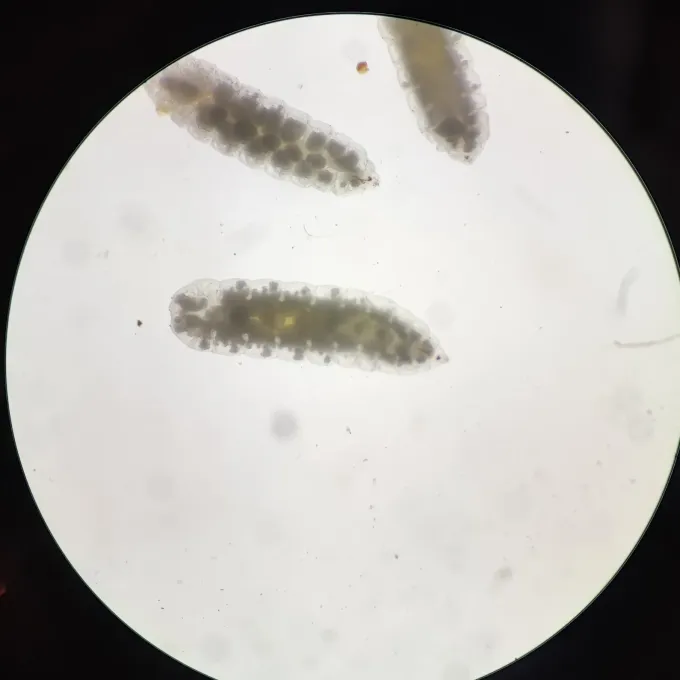
The damage is caused exclusively by the larvae, which are small, spindle-shaped, and usually white or orange-colored, inhabiting the young leaves.
This pest can complete multiple generations within a single growing season, often leading to rapid population growth under favorable weather conditions.
The larvae of the final generation spend the winter in the soil beneath the bushes, encased in small cocoons until the following spring.
What it damages
The primary host plant for this species is blackcurrant; it rarely attacks other related species, showing high host specificity.
The adult midge lays its eggs in the unfurling leaves at the very tips of actively growing shoots, which are the most vulnerable parts of the bush.
As the larvae feed on the young leaf tissues, they secrete substances that cause the leaves to curl, twist, and stop expanding normally.
The physical destruction of the terminal bud disrupts the apical dominance of the shoot, leading to stunted and distorted growth patterns.
Severe infestations can lead to the necrosis of shoot tips, which significantly impacts the development of the bush and potential fruit bud formation for the next year.
When it appears
Adult emergence typically begins around the time of blackcurrant flowering or shortly thereafter, coinciding with the peak of spring growth.
Each generation develops rapidly, with the entire life cycle often lasting about three to four weeks, depending on ambient temperatures.
Warm and humid weather conditions are particularly conducive to the reproductive success of the midge, allowing for several successive generations to appear.
The activity continues throughout the summer, with the final generation transitioning into a dormant stage as temperatures drop in autumn.
Monitoring for the presence of the pest is most critical during the period of intensive shoot development in late spring and early summer.
Signs of infestation
The most recognizable sign of infestation is the characteristic curling and twisting of the youngest leaves at the tips of the shoots.
Upon inspecting the curled leaves, one will find clusters of tiny larvae hidden between the layers of the distorted leaf tissue.
As the damage progresses, the affected areas become black or dark brown, brittle, and eventually die off, leaving the shoot tip deformed.
A visually stunted appearance of new growth is common, as the plant tries to compensate by producing side shoots, which may also be attacked.
- Distorted and tightly curled young leaves.
- Presence of tiny larvae inside curled leaf tissue.
- Necrosis and death of shoot tips.
- Stunted and uneven growth of the plant canopy.
Control measures
Regular monitoring and manual removal of curled leaf tips followed by their immediate destruction are effective practices for small garden infestations.
Cultivating the soil beneath the bushes during the pupation stage can physically disrupt the life cycle of the midge and reduce the local population.
Chemical control involving systemic or contact insecticides may be applied during the period of adult activity, if necessary, following local regulations.
Maintaining vigorous plant growth through balanced fertilization and correct pruning helps bushes recover from damage more effectively.
Applying mulch under the bushes can act as a physical barrier, making it more difficult for adult midges to emerge from the soil in spring.
Taxonomy
- Latin name
- Dasineura tetensi
- Order
- Diptera (flies)
- Family
- Cecidomyiidae
- EPPO code
- DASYTE
Discussion
No discussions yet — be the first.