
Alfalfa gall midge
Asphondylia websteri
Description
How to identify
The alfalfa gall midge (Asphondylia websteri) belongs to the Diptera order and the Cecidomyiidae family. These insects are very small, typically measuring only a few millimeters, making them difficult to spot in the field.
The life cycle involves complete metamorphosis: egg, larva, pupa, and adult. The adults are delicate, long-legged flies that are most active during the budding phase of the alfalfa plant, when they lay eggs in the floral buds.
Larvae are legless, spindle-shaped, and usually cream-colored. They reside inside the developing buds, where they complete their development, often leading to the formation of characteristic galls.
Overwintering occurs primarily as mature larvae inside the infested buds or within the soil surface debris. This survival strategy ensures the midge can endure harsh winter temperatures before emerging in the spring.
Environmental conditions play a critical role, as warm and dry springs are conducive to rapid population growth and successful colonization of alfalfa fields by the adult midges.
What it damages
Alfalfa (Medicago sativa) is the primary host for this pest. The damage is particularly severe in seed production fields, as the midge targets the plant's reproductive organs.
As the larvae feed inside the buds, they disrupt the normal development of the flower. This feeding behavior prevents the production of viable seeds and leads to significant yield losses for growers.
The damage caused by Asphondylia websteri is often hidden, as the larvae are protected within the bud tissue. By the time the grower notices a lack of bloom, the injury to the seed crop is already substantial.
Secondary infections often follow the midge damage. Because the floral tissue is injured, it becomes susceptible to various pathogens that further compromise the plant's overall health and vigor.
Economic losses can be severe, potentially affecting a significant percentage of the seed harvest, which is why monitoring the budding stage is essential for effective farm management.
Signs of infestation
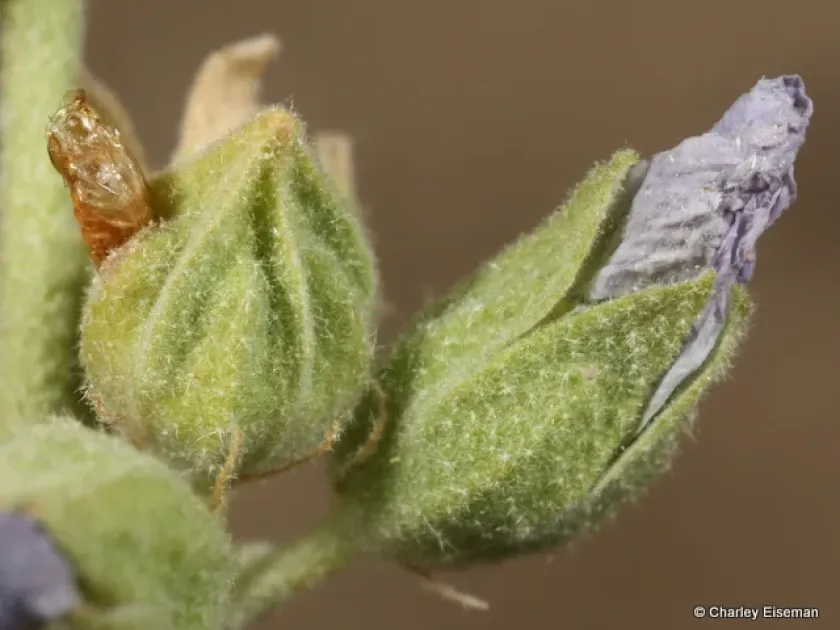
The most reliable sign of an infestation is the swelling and deformation of the alfalfa buds. Instead of opening normally, the buds remain closed and appear balloon-like or gnarled.
Coloration of the infested buds is often abnormal. They may appear paler or lose their characteristic purple hue, which serves as a visible indicator of internal larval activity.
Inspection by splitting open the suspicious buds will reveal the presence of one or more larvae inside. This confirms the activity of the alfalfa gall midge on the crop.
Premature bud drop and a general lack of flower formation on otherwise healthy-looking plants are strong indicators that the midge population has reached a damaging level.
- Swollen and deformed flower buds.
- Failure of buds to open or set seed.
- Visible presence of larvae inside buds.
- Reduced overall seed set and yield.
Control measures
Agronomic management is the cornerstone of control. Proper crop rotation and maintaining spatial isolation between old and new alfalfa fields help in limiting the pest's spread.
Early harvesting of alfalfa for hay can be an effective technique. By removing the crop before the adult midges emerge, farmers can significantly reduce the next generation's population.
Deep fall plowing of the fields after the final harvest is recommended. This buries the crop residue, effectively trapping the overwintering larvae and preventing successful spring emergence.
Chemical control should only be implemented if economic threshold levels are exceeded during the budding stage. Systemic insecticides are preferred due to their ability to reach larvae within the plant tissue.
Encouraging natural predators, such as parasitic wasps, is essential in an integrated pest management (IPM) program to keep the alfalfa gall midge population in check.
Taxonomy
- Latin name
- Asphondylia websteri
- Order
- Diptera (flies)
- Family
- Cecidomyiidae
- EPPO code
- ASPHWE
Discussion
No discussions yet — be the first.