
Alfalfa gall midge
Dasineura medicaginis
Description
How to identify
The alfalfa gall midge (Dasineura medicaginis) is a small dipteran insect belonging to the Cecidomyiidae family. Adult midges are tiny flies, typically measuring less than 2 mm, with delicate wings and dark bodies.
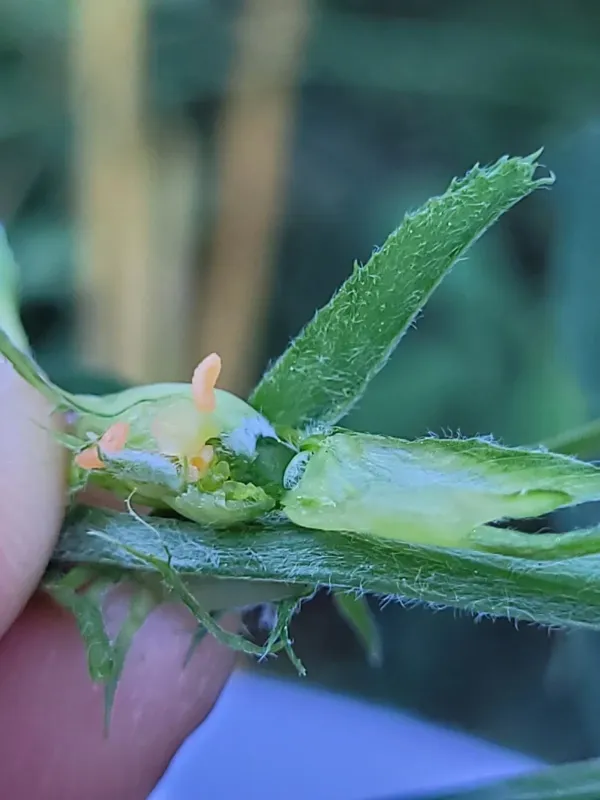
The larval stage is the most damaging phase of this pest. The larvae are small, legless, and yellowish-orange, living inside the plant tissues of the alfalfa buds where they feed and complete their development.
What it damages
This pest exclusively targets alfalfa (Medicago sativa). It is a significant threat to seed production because the larvae feed inside the floral buds, preventing them from opening and developing into flowers and pods.
The economic impact of the gall midge is substantial, as heavy infestations can destroy the majority of the flower buds. This leads to a severe reduction in seed yield and decreases the overall profitability of alfalfa seed crops.
When it appears
Adult emergence typically occurs during the bud formation stage of the alfalfa. The timing is heavily influenced by soil temperature and moisture levels, as the pupae overwinter in the soil.
Depending on the region, the insect can produce several generations throughout the growing season. This ensures that the pest can cause damage to multiple cuttings of the alfalfa crop if not properly managed.
Signs of infestation
The primary symptom of infestation is the deformation of alfalfa buds. Instead of developing normally, the buds become swollen, hollow, and often change color to yellow or reddish-brown.
- Swollen, balloon-like appearance of flower buds.
- Stunted growth of the floral structures.
- Premature dropping of infested buds.
- Presence of tiny yellow larvae inside the hollowed-out bud cavity.
Control measures
The most effective strategy for managing the alfalfa gall midge is cultural control, specifically harvesting the crop for hay before the larvae reach maturity and drop to the soil to pupate.
Chemical control is possible but challenging, as treatments must be applied before the eggs are laid. Because the pest is active during the budding phase, insecticide use must be carefully timed to avoid harming honey bees and other essential pollinators.
Taxonomy
- Latin name
- Dasineura medicaginis
- Order
- Diptera (flies)
- Family
- Cecidomyiidae
- EPPO code
- DASYME
Discussion
No discussions yet — be the first.