
Reference · Diseases
Plant mosaic virus diseases
Mosaic diseases are a common group of plant viral infections caused by a wide range of phytoviruses, including the well-known Tobacco Mosaic Virus (TMV) and Cucumber Mosaic Virus (CMV). As obligate intracellular parasites, these viruses lack cellular structure and must enter a living cell to hijack its biological machinery to replicate their own genetic material.
151
items
What the section contains
Viral mosaics
3 031 product
 Tobacco mosaic virus
2 213 products
Tobacco mosaic virus
Tobacco mosaic virus
2 213 products
 Tomato mosaic virus
1 016 products
Watermelon mosaic virus
Watermelon mosaic virus
115 products
Tomato mosaic virus
Tomato mosaic virus
1 016 products
Watermelon mosaic virus
Watermelon mosaic virus
115 products
 Zucchini yellow mosaic virus
40 products
Zucchini yellow mosaic virus
Zucchini yellow mosaic virus
40 products
 Mottle
39 products
Mottle
Mottle
39 products
 Cucumber mosaic
 virus
14 products
Cucumber mosaic
Cucumber mosaic virus
14 products
 Mosaic
11 products
Mosaic
Mosaic
11 products
 Celery mosaic virus
3 products
Celery mosaic virus
Celery mosaic virus
3 products
 Maize mottle
1 product
Maize mottle
Maize mottle
1 product
 Turnip mosaic
Turnip spp.
1 product
Turnip mosaic
Turnip spp.
1 product
 Abutilon mosaic
 = Malvaceous chlorosis virus*
Abutilon mosaic
Abutilon mosaic = Malvaceous chlorosis virus*
 Acacia ringspot
 agent
Acacia ringspot
Acacia ringspot agent
 African cassava mosaic
African spp.
African cassava mosaic
African spp.
 African violet mottle
Viola mottle virus
Agropyron mosaic
Agropyron spp.
African violet mottle
Viola mottle virus
Agropyron mosaic
Agropyron spp.
 Alfalfa mosaic
Alfalfa spp.
Alfalfa mosaic
Alfalfa spp.
 Alternaria leaf spot of carnation
Carnation spp.
Alternaria leaf spot of carnation
Carnation spp.
 Andean potato latent virus
Andean spp.
Anemone mosaic
Anemone spp.
Andean potato latent virus
Andean spp.
Anemone mosaic
Anemone spp.
 Apple mosaic
Apple spp.
Apple mosaic
Apple spp.
 Apple mosaic virus
Ilarvirus apmv
Apple mosaic virus
Ilarvirus apmv
 Apple ringspot
 agent
Apple ringspot
Apple ringspot agent
 Apricot chlorotic leaf roll
Apricot chlorotic leaf roll
Apricot chlorotic leaf roll
 Apricot ringspot
 agent
Apricot ringspot
Apricot ringspot agent
 Arabis mosaic
Arabis spp.
Arabis mosaic
Arabis spp.
 Artichoke mosaic
 agent
Asparagus mosaic
Asparagus spp.
Artichoke mosaic
Artichoke mosaic agent
Asparagus mosaic
Asparagus spp.
 Bacterial mosaic
Bacterial mosaic
Bacterial mosaic
 Barley mild mosaic virus
Barley spp.
Barley mild mosaic virus
Barley spp.
 Barley stripe mosaic
Hordeum spp.
Barley stripe mosaic
Hordeum spp.
 Bean calico mosaic
Bean spp.
Bean calico mosaic
Bean spp.
 Bean common mosaic
Angular mosaic
Bean common mosaic
Angular mosaic
 Bidens mottle
Bidens spp.
Bidens mottle
Bidens spp.
 Bract mosaic
Bract mosaic
Bract mosaic
 Broad bean mosaic virus
Broad spp.
Broad bean mosaic virus
Broad spp.
 Brome mosaic
Brome spp.
Brome mosaic
Brome spp.
 Cacao yellow mosaic
Cacao spp.
Cacao yellow mosaic
Cacao spp.
 Carrot mosaic
 virus
Carrot mosaic
Carrot mosaic virus
 Carrot motley dwarf
Carrot spp.
Cassava mosaic
Cassava spp.
Carrot motley dwarf
Carrot spp.
Cassava mosaic
Cassava spp.
 Cauliflower mosaic
Cauliflower spp.
Cauliflower mosaic
Cauliflower spp.
 Cercospora leaf spot of black gram
Blackgram spp.
Chayote mosaic
Chayote mosaic virus
Cercospora leaf spot of black gram
Blackgram spp.
Chayote mosaic
Chayote mosaic virus
 Cherry green ring mottle virus
Sour spp.
Cherry green ring mottle virus
Sour spp.
 Chili vein-banding mild mottle virus
Chili spp.
Chili vein-banding mild mottle virus
Chili spp.
 Chlorotic leaf mottle
Chlorotic leaf mottle
Chlorotic leaf mottle
 Citrus ringspot
 virus
Citrus ringspot
Citrus ringspot virus
 Cocksfoot mosaic
Cocksfoot spp.
Cocksfoot mosaic
Cocksfoot spp.
 Cotton mosaic
 agent
Cotton mosaic
Cotton mosaic agent
 Cowpea leaf spot
Cowpea spp.
Cowpea leaf spot
Cowpea spp.
 Cowpea mosaic
Quail spp.
Dandelion yellow mosaic
Dandelion spp.
Cowpea mosaic
Quail spp.
Dandelion yellow mosaic
Dandelion spp.
 Dark sunken spot
Dark spp.
Desmodium mosaic
Desmodium mosaic virus
Dark sunken spot
Dark spp.
Desmodium mosaic
Desmodium mosaic virus
 Eggplant mosaic
Eggplant spp.
Eggplant mosaic
Eggplant spp.
 Elm mosaic
Elm mottle
Elm mottle
Elm mosaic
Elm mosaic
Elm mottle
Elm mottle
 Euonymus mosaic
 virus
Euonymus mosaic
Euonymus mosaic virus
 Euphorbia mosaic
Euphorbia spp.
Euphorbia mosaic
Euphorbia spp.
Tobacco mosaic virus
Tobacco mosaic virus
2 213 products
Tomato mosaic virus
Tomato mosaic virus
1 016 products
Watermelon mosaic virus
Watermelon mosaic virus
115 products
Zucchini yellow mosaic virus
Zucchini yellow mosaic virus
40 products
Mottle
Mottle
39 products
Cucumber mosaic
Cucumber mosaic virus
14 products
Mosaic
Mosaic
11 products
Celery mosaic virus
Celery mosaic virus
3 products
Maize mottle
Maize mottle
1 product
Turnip mosaic
Turnip spp.
1 product
Abutilon mosaic
Abutilon mosaic = Malvaceous chlorosis virus*
Acacia ringspot
Acacia ringspot agent
African cassava mosaic
African spp.
African violet mottle
Viola mottle virus
Agropyron mosaic
Agropyron spp.
Alfalfa mosaic
Alfalfa spp.
Alternaria leaf spot of carnation
Carnation spp.
Andean potato latent virus
Andean spp.
Anemone mosaic
Anemone spp.
Apple mosaic
Apple spp.
Apple mosaic virus
Ilarvirus apmv
Apple ringspot
Apple ringspot agent
Apricot chlorotic leaf roll
Apricot chlorotic leaf roll
Apricot ringspot
Apricot ringspot agent
Arabis mosaic
Arabis spp.
Artichoke mosaic
Artichoke mosaic agent
Asparagus mosaic
Asparagus spp.
Bacterial mosaic
Bacterial mosaic
Barley mild mosaic virus
Barley spp.
Barley stripe mosaic
Hordeum spp.
Bean calico mosaic
Bean spp.
Bean common mosaic
Angular mosaic
Bidens mottle
Bidens spp.
Bract mosaic
Bract mosaic
Broad bean mosaic virus
Broad spp.
Brome mosaic
Brome spp.
Cacao yellow mosaic
Cacao spp.
Carrot mosaic
Carrot mosaic virus
Carrot motley dwarf
Carrot spp.
Cassava mosaic
Cassava spp.
Cauliflower mosaic
Cauliflower spp.
Cercospora leaf spot of black gram
Blackgram spp.
Chayote mosaic
Chayote mosaic virus
Cherry green ring mottle virus
Sour spp.
Chili vein-banding mild mottle virus
Chili spp.
Chlorotic leaf mottle
Chlorotic leaf mottle
Citrus ringspot
Citrus ringspot virus
Cocksfoot mosaic
Cocksfoot spp.
Cotton mosaic
Cotton mosaic agent
Cowpea leaf spot
Cowpea spp.
Cowpea mosaic
Quail spp.
Dandelion yellow mosaic
Dandelion spp.
Dark sunken spot
Dark spp.
Desmodium mosaic
Desmodium mosaic virus
Eggplant mosaic
Eggplant spp.
Elm mosaic
Elm mosaic
Elm mottle
Elm mottle
Euonymus mosaic
Euonymus mosaic virus
Euphorbia mosaic
Euphorbia spp.
Marketplace
Products in this section · 12
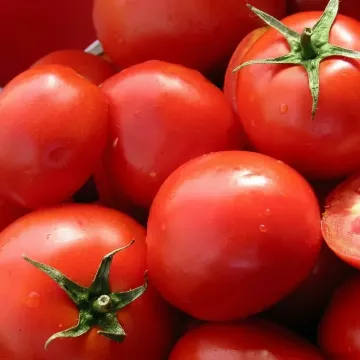
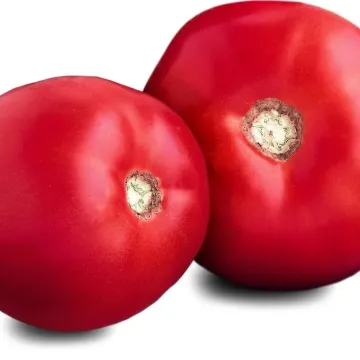
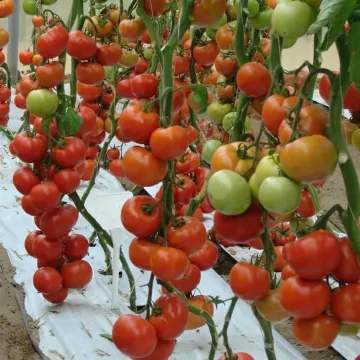

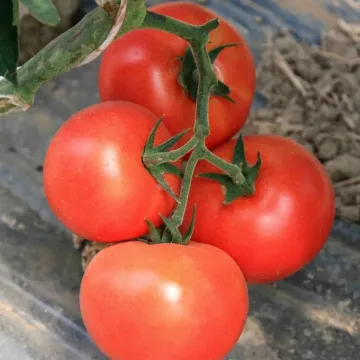

Plant mosaic virus diseases
These diseases affect a vast array of crops, including vegetables like tomatoes, peppers, and cucumbers, as well as fruits and ornamental plants. Once infected, the virus spreads systemically throughout the vascular tissues of the plant, compromising the entire host and ensuring long-term persistence in the plant's tissues, including seeds and tubers.
The hallmark symptom is a mottled appearance of leaves, characterized by alternating patterns of light green, yellow, and dark green patches resembling a mosaic. Secondary symptoms often include leaf distortion, crinkling, stunting of the overall plant height, shortened internodes, and mottled or necrotic lesions on fruits, which significantly degrades their market value.
The spread of these viruses is driven by vectors—insects such as aphids, whiteflies, and thrips—which transmit the pathogen while feeding. Mechanical transmission is also common, occurring through contaminated gardening tools, human hands during pruning, or even leaf-to-leaf contact. Furthermore, perennial weeds often act as reservoirs, keeping the virus active even during off-seasons.
- Planting resistant or certified virus-free seed varieties.
- Implementing strict vector control programs for sucking insects.
- Sanitizing tools between pruning different plants.
- Removing and destroying symptomatic plants immediately.
- Managing weed populations to eliminate natural viral reservoirs.
The economic impact of mosaic viruses is severe, often resulting in significant yield loss due to reduced photosynthesis and disrupted growth hormones. Because there are no effective antiviral cures for plants once they are systemically infected, farmers and gardeners must focus entirely on preventative measures to stop the introduction and spread of these destructive pathogens.