
Description
Symptoms
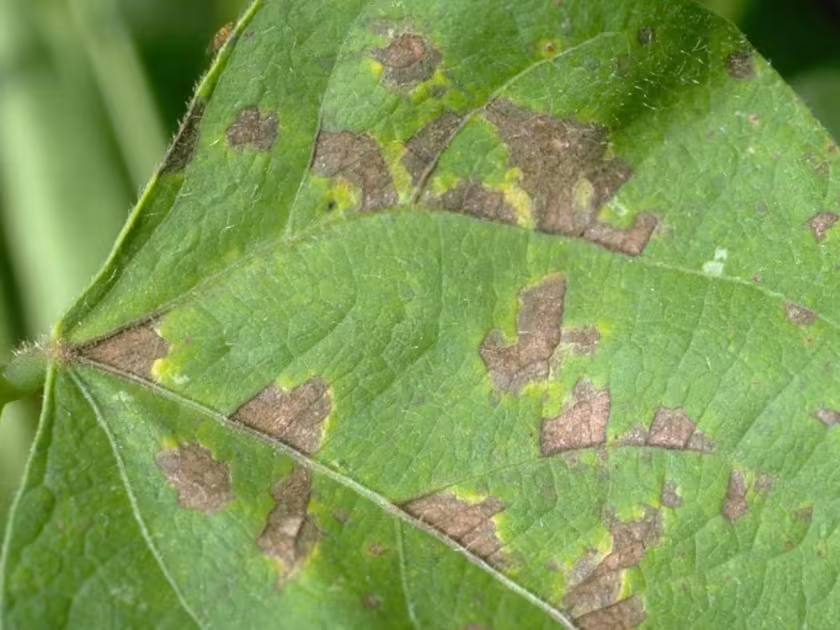
The primary symptom of this disease is the development of a distinct mosaic pattern on the leaves, characterized by alternating patches of light and dark green tissue.
These spots often exhibit an angular shape as they are restricted by the leaf veins, which is a hallmark of the viral infection.
As the infection progresses, the leaves often become stunted, curled, or distorted, resulting in a significant reduction of the total photosynthetic area.
Severely infected plants may show signs of dwarfing, shorter internodes, and a bushy appearance due to the excessive development of secondary shoots.
Pods may also display mottled patterns, leading to reduced yield and poor quality of the seeds produced by the plant.
Pathogen
The disease is caused by the Bean common mosaic virus (BCMV), which belongs to the Potyviridae family of plant viruses.
These virus particles are filamentous in shape and can easily invade host plant tissues to disrupt normal biological functions.
The virus is primarily seed-borne, meaning that infected seeds serve as the main source of primary inoculum when planted in the soil.
Beyond seeds, the virus can also persist in plant debris, although its survival time outside the host is relatively limited compared to soil-borne fungi.
Transmission of the virus occurs efficiently through seed contamination, mechanical contact, and the activity of insect vectors.
Conditions for development
The primary vector for the transmission of this virus in the field is various species of aphids that feed on bean plants.
Warm and humid weather conditions are highly conducive to the rapid population growth of aphids, facilitating the spread of the virus.
Weedy borders surrounding bean fields act as reservoirs for both the virus and the insect vectors, significantly increasing the risk of infection.
High planting density can also create a microclimate that supports larger aphid populations, thereby speeding up the spread of the disease.
Plants undergoing stress due to drought or nutrient deficiency are more susceptible to the virus and tend to exhibit more severe symptoms.
Why it matters
The disease causes a substantial loss in total crop yield by impairing the plant's ability to undergo photosynthesis and store energy.
When infection occurs during early growth stages, the plant often fails to produce any harvestable pods, leading to significant economic losses.
Infected seeds usually have lower germination rates and vigor, which can severely compromise the productivity of future bean crops.
The visual quality of the pods is negatively impacted, making them unsuitable for fresh market sale and reducing their market value.
The cumulative effect of stunted growth and leaf deformation weakens the plant, making it more vulnerable to secondary pests and environmental stressors.
Protection
The most fundamental control measure is the exclusive use of high-quality, certified, and disease-free bean seeds.
Effective management of aphid populations using systemic insecticides is crucial to preventing the widespread transmission of the virus.
Maintaining proper spatial isolation between bean fields and other legume crops helps to reduce the risk of secondary infections from external sources.
Implementing rigorous weed control programs around the fields eliminates potential host reservoirs and reduces the habitat for aphid vectors.
The deployment of resistant bean varieties is the most sustainable strategy for long-term control and prevention of BCMV in large-scale production.
Pathogens and affected parts
Affects crops · 1
Discussion
No discussions yet — be the first.