
Apricot ringspot
Apricot ringspot agent
Description
Symptoms
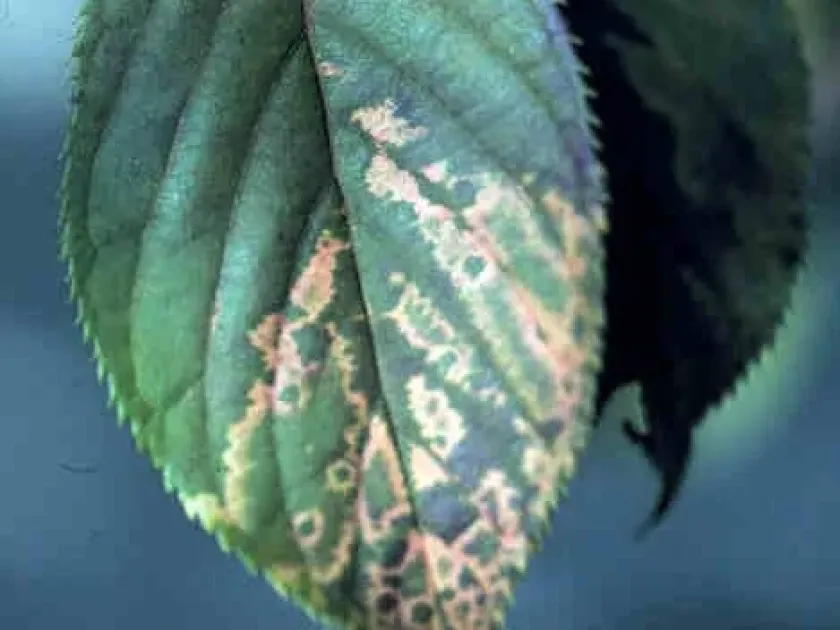
The most distinctive symptoms appear on leaves as chlorotic rings, wavy lines, or mosaic patterns that become more visible during active growth phases.
In some cases, the infected leaves may show necrosis or severe deformation, which negatively impacts the tree's ability to conduct photosynthesis.
Fruits from infected trees often exhibit surface irregularities, spots, or light bumps, which significantly reduces their overall commercial value.
During hot summer months, the symptoms on leaves may become masked or less noticeable, though the virus remains active within the tree's vascular system.
Overall tree vigor is typically compromised, leading to shortened internodes, sparse canopy development, and a general decline in the tree's health over time.
Pathogen
The disease is caused by the Apricot ringspot virus (ApRSV), which is a member of the Ilarvirus genus within the Bromoviridae family.
This viral pathogen contains a positive-sense single-stranded RNA genome and is known for its ability to systemically infect stone fruit species.
Transmission of the virus occurs primarily through vegetative propagation, specifically the use of infected scions or rootstocks in nursery settings.
Natural spread of the virus within orchards is often facilitated by the movement of infected pollen via wind or pollinating insects during the blooming season.
In addition to apricots, the virus can infect other species within the Prunus genus, such as peaches, plums, and cherries, acting as a latent threat.
Conditions for development
The presence of nearby wild or neglected stone fruit trees often serves as a reservoir for the virus, promoting its spread into commercial orchards.
Environmental conditions that favor high insect activity during flowering increase the likelihood of pollen-borne transmission between susceptible trees.
Agricultural practices that involve non-sterile cutting tools can inadvertently transmit the virus from an infected tree to a healthy one during pruning.
High-density planting systems may facilitate the spread of the virus through root grafting or close contact between the canopies of infected and healthy trees.
The long latent period of the virus allows it to proliferate undetected, making orchards appear healthy even when a significant percentage of trees are infected.
Why it matters
Apricot ringspot causes a notable decrease in fruit production, as infected trees struggle to maintain fruit set and size throughout the growing season.
The virus compromises the tree's immune system, making it more susceptible to opportunistic fungal and bacterial pathogens that further damage the structure.
Winter hardiness is significantly reduced in infected trees, leading to increased rates of freeze damage during dormant months compared to healthy specimens.
Economic losses arise not only from reduced yield but also from the required removal and destruction of infected trees, which shortens the orchard's lifespan.
The potential for rapid spread throughout a nursery can result in devastating losses for producers, necessitating strict regulatory and quarantine measures.
Protection
The most critical control strategy is the exclusive use of virus-indexed, certified nursery stock to prevent the introduction of the pathogen into the orchard.
Strict sanitation protocols must be followed, including the regular disinfection of pruning equipment with authorized solutions to minimize mechanical transmission.
Ongoing monitoring of orchard health is essential for the early detection and immediate removal of any trees showing signs of viral infection to stop spread.
Establishing sufficient isolation distances from old, potentially infected stone fruit plantations helps create a safer environment for new plantings.
While no chemical treatment can cure viral infections, maintaining optimal soil health and tree vigor helps plants tolerate the stress caused by the virus.
Discussion
No discussions yet — be the first.