
Artichoke mosaic
Artichoke mosaic agent
Description
Symptoms
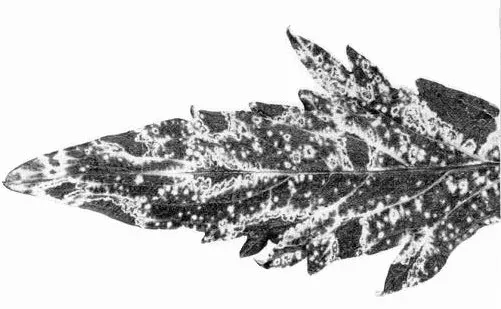
The primary symptom is a distinct mosaic pattern on the leaves, characterized by light green and dark green chlorotic blotches or streaks.
Affected leaves often exhibit significant deformation, becoming crinkled or puckered, which distorts the normal structure of the artichoke foliage.
Stunted growth is a common indicator, with infected plants failing to reach their full height and vigor compared to healthy counterparts.
Floral development is severely compromised, leading to undersized, deformed, or malformed buds that are commercially worthless for harvest.
- Mottled chlorotic spots on leaves
- Leaf curling and puckering
- Severe reduction in internode length
- Poor quality of the artichoke hearts
Pathogen
The disease is caused by several viruses, most notably the Artichoke mottled crinkle virus (AMCV) and Artichoke latent virus (ArLV).
These viruses are intracellular pathogens that infiltrate the plant tissues, hijacking the host's cellular machinery to replicate their genetic material.
As systemic infections, these viruses spread throughout the vascular system, affecting all parts of the artichoke plant, including the roots and edible heads.
The transmission of the virus occurs primarily through mechanical injury during field operations and via insect vectors like aphids that feed on the sap.
Biologically, these viruses can survive in perennial reservoir hosts, ensuring their presence in the environment throughout the growing seasons.
Conditions for development
High temperatures often correlate with increased vector activity, which facilitates the rapid spread of the virus across the plantation.
Mechanical transmission is facilitated by contaminated tools, especially during harvesting, pruning, or the division of rhizomes for propagation.
The use of infected planting material is the most common way to introduce the virus into new areas, as the pathogen persists in the vegetative buds.
Environmental stress, such as drought or nutrient deficiency, weakens the plant's immune system, making it more susceptible to initial infection and symptom progression.
Presence of surrounding weeds belonging to the Asteraceae family creates a perennial reservoir for the virus, allowing insect vectors to constantly reintroduce the pathogen.
Why it matters
The economic impact of artichoke mosaic is significant, as it leads to a direct reduction in the marketable yield of high-quality artichoke heads.
Photosynthetic efficiency is drastically reduced due to leaf damage, which limits the energy the plant can invest in head development and storage reserves.
Infected plants show poor regenerative capacity, meaning they perform worse in subsequent years, leading to the necessity of premature field replanting.
The disease complicates nursery operations, as a large portion of stocks may have to be discarded to prevent the further spread of viral particles.
Total losses in production can reach severe levels if early management practices are ignored and the virus is allowed to become endemic in the area.
Protection
The most effective strategy is the exclusive use of certified, virus-free planting material obtained through meristem culture and heat treatment programs.
Rigorous management of insect vectors, particularly aphids, is essential; using appropriate insecticides and reflective mulches can reduce transmission rates.
Sanitation practices, including the regular disinfection of knives and tools with effective solutions like bleach, are crucial to prevent mechanical spread.
Rogueing, the process of promptly identifying and removing symptomatic plants from the field, is vital to limiting the secondary spread of the virus.
Maintaining high plant vigor through proper fertilization and irrigation helps the crop withstand stress and minimize the visibility of symptoms.
Discussion
No discussions yet — be the first.