
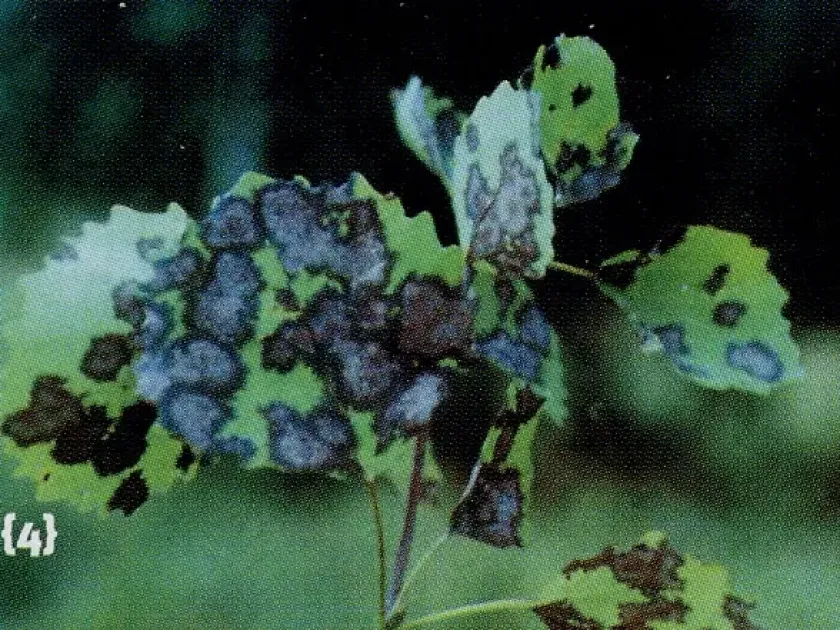
Description
Symptoms
The most diagnostic sign is a distinctive mosaic pattern on the leaves, characterized by alternating patches of normal green color with pale yellow or light green areas.
Infected leaves often exhibit significant morphological changes, including crinkling, puckering, or asymmetrical development, which gives the canopy a ragged appearance.
Affected trees may show signs of overall growth reduction, including shortened internodes on young shoots and a noticeable decrease in average leaf size.
In cases of severe infection, premature leaf drop occurs during the summer months, leading to sparse foliage and visible thinning of the crown.
Symptoms are typically most pronounced during the spring flush of new growth, as the virus interferes with the rapid development of young tissues.
Pathogen
The causative agent of this disease is the Elm mosaic virus. It is a systemic viral pathogen that infects the vascular tissues and interferes with the host plant's metabolism.
The virus is primarily transmitted through infected nursery stock, vegetative propagation using diseased scions, or through grafting tools contaminated with sap from infected trees.
Once inside, the virus moves throughout the phloem, establishing a persistent systemic infection that affects the entire tree, including roots and terminal branches.
The progression of the disease is highly dependent on the host tree's overall vigor. Stressed trees, suffering from drought, soil compaction, or nutrient deficiencies, show faster symptoms.
The presence of the virus disrupts normal chloroplast function, leading to a breakdown of chlorophyll and the characteristic mosaic pattern observed on the foliage.
Why it matters
Elm mosaic significantly diminishes the ornamental value of elm trees, making them unsuitable for landscaping and urban greening projects.
The disease causes chronic physiological decline, resulting in reduced vigor, stunted annual growth, and an inability of the tree to reach its full size.
Viral infection weakens the tree's natural defense mechanisms, making the elm more susceptible to opportunistic secondary infections, such as fungi or wood-boring insects.
Over time, the cumulative impact of the virus can lead to dieback of major branches, crown decline, and, in severe cases, the eventual death of the entire tree.
Because the virus is persistent and easily spread through vegetative propagation, it poses a long-term economic threat to commercial nurseries and breeding programs.
Protection
The primary control measure is the use of certified disease-free propagation material. Only scions and rootstocks tested and cleared of viral infections should be used.
Strict sanitation protocols must be followed during pruning. All cutting tools must be sterilized using appropriate disinfectants between every single tree to prevent cross-contamination.
Integrated Pest Management (IPM) should be employed to control sucking insects like aphids or mites, which can act as potential vectors for the transmission of the virus.
In nurseries or landscape settings, trees showing clear symptoms of severe mosaic infection should be rogued out and destroyed to prevent them from serving as inoculum sources.
Maintaining optimal tree health through proper irrigation and nutrient management helps trees withstand viral stress and maintains their aesthetic appeal for longer periods.
Pathogens and affected parts
Affects crops · 1
Discussion
No discussions yet — be the first.