
Description
Symptoms
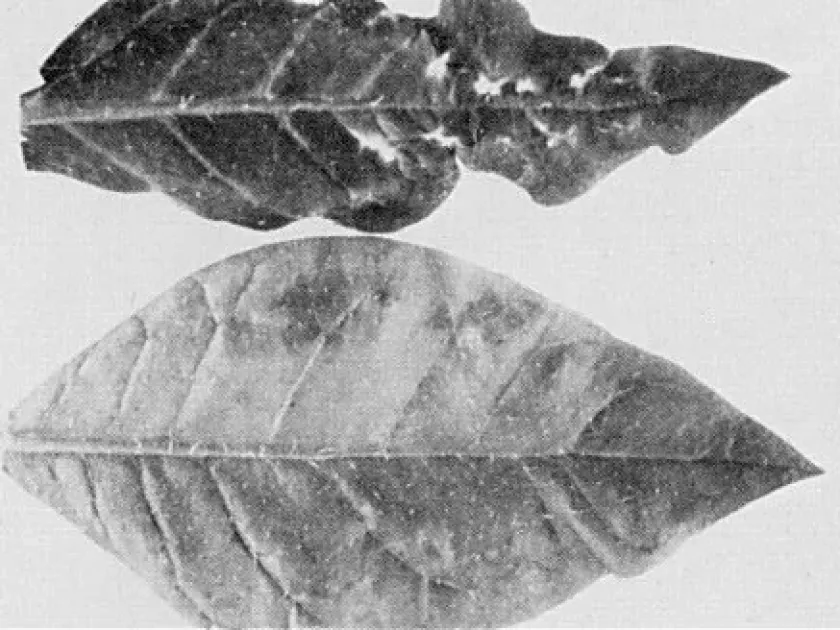
Symptoms of APLV infection on potato leaves include various patterns of chlorosis, necrosis, and mosaic-like spots. In severe cases, the foliage can become deformed or stunted.
Plants affected by the virus usually exhibit significantly reduced growth vigor and poor development. This lack of vitality often leads to lower yield expectations and weakened physiological plant responses.
In addition to potatoes, the virus affects other Solanaceous species such as peppers. In pepper crops, symptoms include systemic chlorosis, reduced leaf size, and overall lower fruit yield.
Tubers derived from infected potato plants may appear normal externally, but they serve as a reservoir for the virus. Occasionally, subtle skin irregularities or internal necrosis may occur in highly sensitive varieties.
Early-season wilting, especially during peak temperature hours, may be an indirect sign of an underlying viral load that compromises the plant's vascular and metabolic integrity.
Pathogen
The causal agent of this disease is the Andean potato latent virus (APLV), which is classified within the Tymovirus genus. This virus is a significant concern for the health of Solanaceous crops worldwide.
The virus is known for its genetic variability and often exists as part of mixed viral infections. Accurate diagnosis typically requires specialized laboratory procedures such as ELISA or PCR testing to distinguish it from other similar viruses.
The transmission of the virus occurs primarily through mechanical contact, such as when sap from an infected plant reaches a healthy one during cultivation or handling. Systemic movement within the plant ensures that the virus spreads to all newly formed leaves and tubers.
Insects, particularly certain leaf-feeding beetles, play a crucial role as vectors. By feeding on infected tissues, these insects acquire viral particles and subsequently transmit them to healthy plants.
Although the virus originated in the Andes, international trade in seed potatoes and plant material has facilitated its movement across borders, making it a subject of international phytosanitary interest.
Conditions for development
The virus thrives under moderate temperatures that facilitate rapid replication within the host tissues. Fungal or insect activity, which is also favored by these conditions, accelerates the spread across fields.
Mechanical damage to plant stems and leaves during standard farm operations, such as hoeing or pruning, is a primary driver of disease transmission. Contaminated equipment is a major vector if not properly sanitized.
The use of infected seed tubers is the most common way for the virus to become established in a new area. Since the virus is persistent, it remains latent in the tubers throughout storage and planting cycles.
High humidity levels and stagnant air, particularly in greenhouse environments, support the survival of vector insects, thereby increasing the risk of widespread viral transmission within the crop.
While the virus is not considered soil-borne in the traditional sense, remnants of infected plant tissue left in the field can temporarily harbor the virus, posing a risk to subsequent plantings of susceptible crops.
Why it matters
The primary economic impact of APLV is the substantial reduction in marketable yields of potatoes and peppers. The virus impairs photosynthesis, resulting in smaller, underdeveloped tubers and fruit.
Infected plants are inherently more susceptible to secondary stressors, including bacterial rot and fungal diseases. This combination often leads to premature plant collapse and loss of harvest.
The quality of the produce is significantly degraded, as APLV infection alters nutrient composition and storage potential. This renders the crop less suitable for commercial distribution and storage.
Detection of the virus often triggers mandatory quarantine actions, which can severely limit a producer's ability to market or transport their products, causing financial disruption.
Long-term infestation of seed lots necessitates costly eradication programs, as there is currently no cure for infected plant material, making prevention the only viable management tool.
Protection
The cornerstone of managing APLV is the strict use of virus-free certified seed potato stocks. Ensuring that the initial planting material is healthy is critical to avoiding an outbreak.
Effective insect control programs must be implemented to reduce the population of potential vectors. Systematic insecticide applications can significantly curb the spread of the virus within the field.
Strict sanitation protocols during fieldwork are essential. This includes the thorough disinfection of tools and machinery to prevent the mechanical transmission of the virus from one plant to another.
Early roguing, or the removal and destruction of symptomatic plants, helps to lower the inoculum pressure on the rest of the field, especially during the early stages of growth.
- Selection of resistant or tolerant cultivars where available.
- Effective weed control to eliminate alternative hosts for the virus.
- Maintaining proper spatial isolation between potato fields and other Solanaceous crops.
Pathogens and affected parts
Affects crops · 1
Discussion
No discussions yet — be the first.