
Apple ringspot
Apple ringspot agent
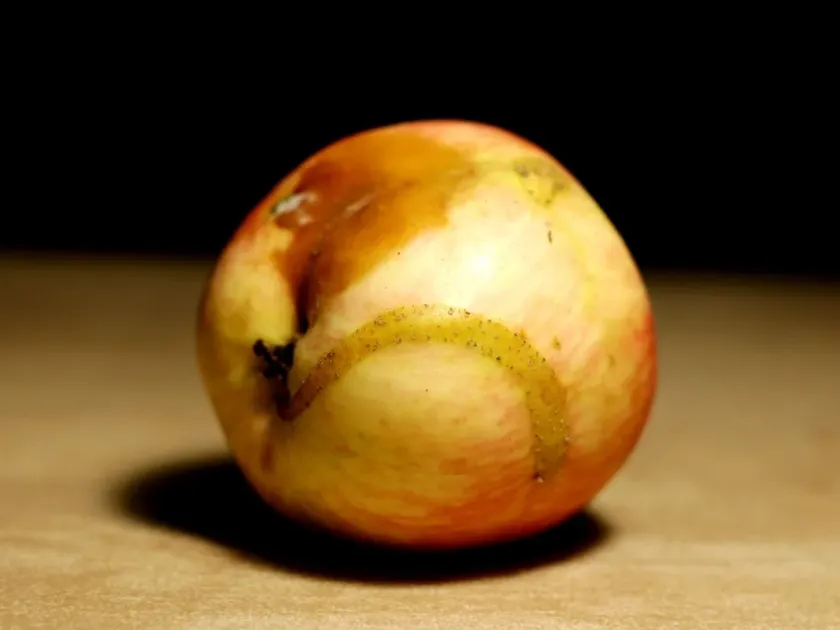
Description
Symptoms
The primary symptom is the development of chlorotic rings, lines, or arc-shaped patterns on the leaves, which become visible as the season progresses.
Infected leaves may exhibit deformation or premature yellowing, often leading to early leaf drop in heavily affected parts of the tree canopy.
Fruit symptoms are particularly detrimental, manifesting as pitted, corky, or ring-shaped lesions on the skin, which reduce fruit quality.
General tree vigor is reduced, resulting in stunted shoot growth and a noticeable decline in the annual production of new foliage.
These symptoms are most prominent during the early growing season when metabolic activity is at its peak and tissues are actively developing.
Pathogen
Apple ringspot is a viral disease caused by specific viruses that systemically infect apple trees, leading to chronic health decline.
The virus acts as a parasite at the cellular level, altering the tree's metabolic pathways and causing abnormal growth patterns.
In many cases, the pathogen remains latent within the host, meaning the tree shows no signs of illness while still being a source of infection.
Transmission occurs primarily through vegetative propagation, specifically the use of infected scions or rootstocks during grafting processes.
Mechanical transmission through contaminated pruning tools or contact between healthy and infected tree branches also contributes to its spread.
Conditions for development
The spread and severity of the disease are often exacerbated by environmental stress, including extreme weather events and nutrient deficiencies.
High-density planting environments, such as commercial nurseries, provide the ideal conditions for rapid viral transmission between young trees.
Poor orchard sanitation, including failure to clean pruning shears, facilitates the movement of the virus from one tree to another.
Fluctuating temperatures can sometimes trigger the transition from a latent state to a symptomatic state, making the disease more visible after harsh winters.
Certain soil-borne organisms, such as nematodes, can harbor and transfer the virus, creating persistent hotbeds of infection in the orchard soil.
Why it matters
The economic impact is primarily driven by reduced fruit yields and a significant decrease in the percentage of marketable, grade-A produce.
Trees infected with the virus experience a long-term reduction in growth rate and can become unproductive over a relatively short timeframe.
Increased susceptibility to other environmental stressors, such as drought or secondary pests, often leads to the death of the tree.
The necessity of removing and destroying infected trees represents a substantial capital loss for orchard managers and landowners.
Reduced photosynthetic capacity caused by damaged leaves results in less sugar accumulation in fruits, negatively impacting their flavor and shelf life.
Protection
The most reliable control method is the exclusive use of virus-free, certified nursery stock to prevent the introduction of the pathogen.
Maintaining strict hygiene standards is crucial; all pruning tools must be sterilized thoroughly between every individual tree.
- Regular inspections to identify and remove symptomatic trees.
- Control of vectors such as nematodes and sap-feeding insects.
- Ensuring optimal soil health to support tree immune systems.
Selecting resistant rootstock varieties is a recommended long-term strategy for minimizing the risk of widespread viral damage in new plantings.
Ongoing monitoring programs help to detect early signs of the virus, allowing for rapid containment before the infection spreads across the orchard.
Discussion
No discussions yet — be the first.