
Description
Symptoms
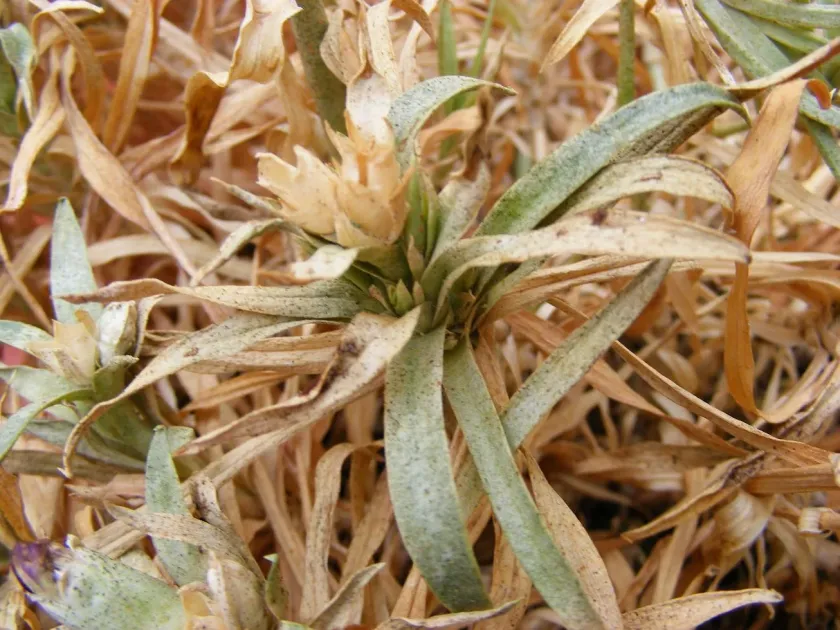
Initial symptoms are characterized by small, circular, light-colored spots that gradually turn brown or purple as the disease progresses.
A distinctive feature of this disease is the development of concentric rings within the spots, creating a target-like appearance on the leaves.
In high humidity environments, a fuzzy, olive-black layer of fungal spores becomes visible on the surface of these necrotic spots.
When the stem is infected, elongated dark lesions appear, which can eventually girdle the stem and cause the collapse of the plant shoot.
- Chlorosis (yellowing) of the leaf tissue surrounding spots.
- Premature drying and shedding of lower leaves.
- Lesions on stems leading to lodging.
- Small dark spots on flower petals.
Pathogen
The disease is caused by the pathogenic fungus Alternaria dianthi, which belongs to the family of fungi that primarily infect herbaceous plants.
The pathogen is highly persistent, surviving in crop debris, soil, and even on weeds surrounding the cultivation area for several years.
It spreads through conidia, which are easily transported by wind, splashing water during irrigation, and through contaminated tools or clothing.
The infection initiates when conidia germinate on wet leaf surfaces, followed by the penetration of the fungus into the plant tissues through stomata.
Once inside, the fungus secretes mycotoxins that cause localized tissue death, leading to the formation of the characteristic spots seen on infected leaves.
Conditions for development
High humidity and consistent moisture on the foliage are the primary environmental triggers that favor the development of Alternaria leaf spot.
Temperatures ranging from 20 to 25 degrees Celsius are ideal for the rapid germination of conidia and the colonisation of the plant by the fungus.
Poor aeration in greenhouses or overly dense planting patterns create microclimates where humidity remains high, accelerating the spread of the pathogen.
Frequent rainfall or heavy overhead irrigation during the growing season significantly increases the risk of plant-to-plant infection.
Plants under physiological stress, such as those with improper nutrient management or physical damage, are significantly more susceptible to infection.
Why it matters
This disease causes significant economic loss in the floriculture industry by reducing the aesthetic quality and shelf life of the cut flowers.
Severe infections result in complete defoliation, which severely stunts plant growth and reduces the overall yield of flower stems.
In nursery settings, it can lead to massive die-offs of seedlings, significantly impacting the production cycle and overall profitability.
The infection compromises the plant's health, often making it more vulnerable to secondary invasions by pests and other soil-borne pathogens.
Because the fungus is difficult to eradicate once established, growers often face increased labor and chemical costs to keep the outbreak suppressed.
Protection
Sanitation is critical: all infected plant material must be removed and destroyed immediately to minimize the source of inoculum for the next season.
Implement proper spacing between plants to ensure maximum airflow, which reduces the duration of leaf wetness and hinders fungal growth.
Avoid overhead irrigation; utilize drip systems to keep the foliage dry, which is one of the most effective preventive measures against leaf spot.
Apply protective fungicides such as copper-based compounds or systemic azole-based products if environmental conditions favor the disease.
Rotate crops periodically and select resistant cultivars whenever possible to minimize the reliance on chemical interventions over the long term.
Pathogens and affected parts
Affects crops · 1
Discussion
No discussions yet — be the first.