
Acacia ringspot
Acacia ringspot agent
Description
Symptoms
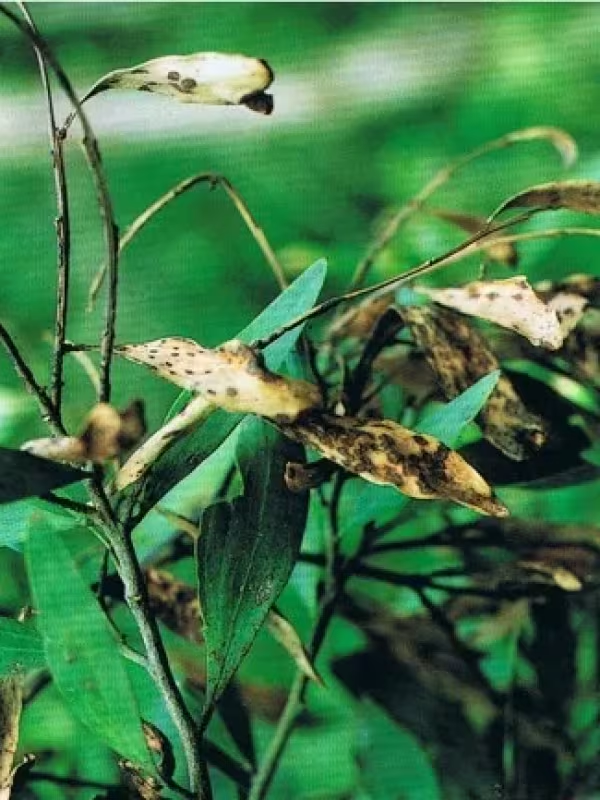
The most distinctive symptom of the infection is the development of chlorotic spots on the foliage that often form concentric rings. These rings are typically yellow or pale green and provide a clear visual indicator of the viral presence.
Over time, the center of these rings may become necrotic, causing the leaf tissue to brown and die. This localized cell death can lead to the formation of holes or large, irregular dead patches on the leaf surface as the disease progresses.
Infected acacia trees often exhibit signs of stunted growth, including shortened internodes and a decrease in leaf size. The overall canopy may appear sparse, losing the dense, attractive foliage characteristic of healthy specimens.
Leaf distortion and curling are also common, as the virus interferes with normal tissue expansion during leaf development. In severe cases, premature leaf drop occurs, leaving the tree vulnerable to harsh weather conditions.
- formation of concentric chlorotic rings on leaves;
- necrosis in the center of the spots;
- stunted growth and shortened shoots;
- leaf distortion, curling, and abnormal shape;
- premature senescence and leaf drop.
Pathogen
The causative agent of this disease is a specific virus identified as the Acacia ringspot virus. This pathogen is a systemic parasite that infects the vascular and cellular structures of acacia trees, often disrupting vital metabolic processes.
As a virus, it integrates into the host's cellular machinery, forcing the tree to replicate viral particles instead of performing normal development functions. This systematic takeover of cellular resources is what leads to the visible decline in plant health.
Transmission of the virus occurs primarily through mechanical means, such as the use of non-disinfected pruning tools, or via insect vectors. Common pests like aphids and leafhoppers act as natural carriers, moving the virus from infected to healthy trees during feeding.
The virus is highly persistent within the host tissue. Once a plant is infected, the pathogen can travel through the phloem to all parts of the tree, making complete recovery extremely difficult under field conditions.
Current research focuses on understanding the molecular basis of the virus and developing diagnostic tools for early detection in nurseries. Limiting the movement of plant material is currently the most effective way to manage the spread of this pathogen.
Why it matters
Acacia ringspot is primarily a concern for ornamental horticulture, as the foliage damage ruins the aesthetic value of the trees. This makes affected plants unsuitable for landscape design and urban greening projects.
The disease weakens the tree significantly, lowering its overall vitality and immunity. This makes the host tree much more susceptible to secondary infections by fungi or bacteria, which can accelerate the decline of the plant.
In nursery settings, the presence of the virus causes substantial economic losses. Entire batches of young acacia plants may have to be destroyed if they test positive for the virus, preventing their commercial sale.
Because the disease is systemic and difficult to cure, it poses a long-term threat to acacia collections. If left unmanaged, the virus can spread throughout an entire plantation, leading to the loss of valuable genetic material.
The insidious nature of the disease, where symptoms might be mild initially, means that infected trees can act as a reservoir for the virus, silently spreading the pathogen to neighboring healthy plants.
Protection
Strict quarantine and sanitation are the cornerstones of control. Only certified virus-free planting material should be sourced to prevent the introduction of the pathogen into new environments.
Tool disinfection is critical when performing maintenance on acacia trees. All cutting equipment must be sterilized with alcohol or bleach solutions between trees to prevent the mechanical transmission of the virus.
Management of insect populations, particularly vectors like aphids and thrips, is essential. Applying systemic insecticides can help control the population of these pests, thereby reducing the frequency of viral transmission.
There is currently no cure for the viral infection once it has become systemic. Therefore, the removal and destruction of infected trees is the standard and necessary protocol to protect the surrounding healthy population.
Maintaining the overall health of the tree through proper irrigation and balanced fertilization can improve the plant's natural resilience, although these measures do not eliminate the virus itself, they help the tree cope with environmental stress better.
Discussion
No discussions yet — be the first.