
Description
Symptoms
The primary symptom is the emergence of a striking yellow mosaic pattern on the leaves, creating a mottled appearance of light and dark green.
As the disease progresses, the chlorotic areas expand, often leading to the distortion and curling of the leaves, which significantly impacts the surface area for photosynthesis.
Affected trees often exhibit stunted growth, reduced canopy density, and overall weakness compared to their healthy counterparts.
The severity of the symptoms can vary depending on the age of the tree and the specific strain of the virus infecting the plant.
- yellow mosaic patterns on leaves;
- leaf curling and deformation;
- stunted growth of branches;
- premature leaf drop.
Pathogen
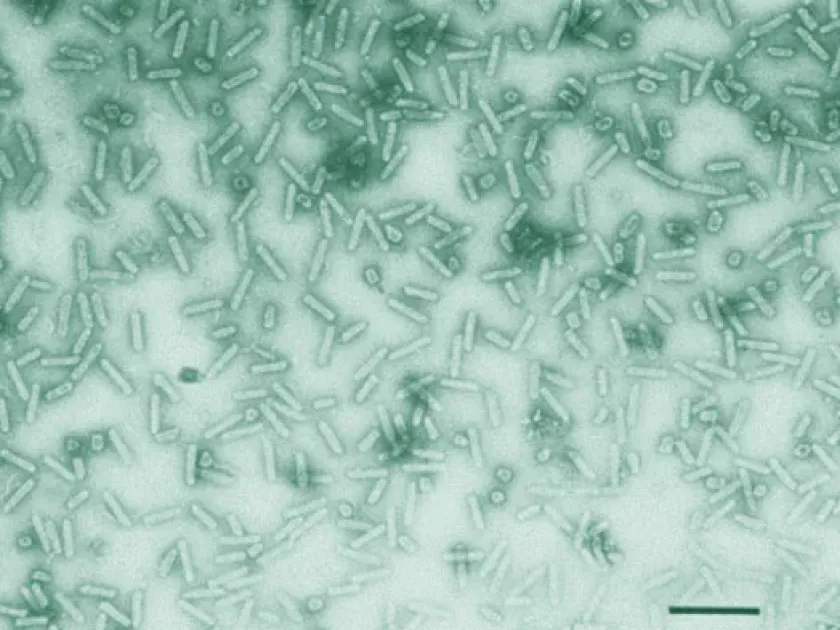
Cacao yellow mosaic is a viral disease caused by the Cacao yellow mosaic virus (CYMV), which specifically targets cocoa trees.
The virus acts as a pathogen that interferes with the plant's metabolic functions, disrupting the chlorophyll production process in leaves.
It is transmitted primarily through mechanical vectors, such as contaminated pruning tools, or by insects that feed on the sap of the tree.
Once inside, the virus replicates rapidly, spreading through the vascular system and eventually affecting the entire plant structure.
Due to its high mutability, this virus can persist in the local ecosystem, often surviving in alternate wild host plants near the plantations.
Conditions for development
The development of the disease is highly correlated with humid tropical climates, where stable temperatures promote rapid viral spread.
Plantation density plays a major role; crowded trees allow for easier mechanical transmission of the virus during contact or maintenance operations.
Inadequate sanitation in agricultural practices, particularly failing to disinfect tools between individual trees, is a primary cause of infection outbreaks.
Stressed trees, whether due to nutrient deficiency or pest attacks, are significantly more susceptible to infection and show faster disease progression.
Poor soil management and lack of sunlight under the dense canopy can further weaken the trees' natural defenses against viral pathogens.
Why it matters
The economic impact of cacao yellow mosaic is severe, as it causes a consistent decline in both the quantity and quality of cacao beans produced.
Trees infected with the virus show poor fruit development and are often unable to produce mature pods, resulting in substantial financial losses.
Systemic infection drains the plant of essential resources, leading to the gradual decline and eventual death of the affected cacao trees.
A single infected tree can serve as an inoculum source, placing the entire plantation at high risk and necessitating strict quarantine or removal protocols.
The reduction in the overall vigor of the tree makes it more vulnerable to secondary infections, including opportunistic fungi and wood-boring insects.
Protection
Preventative measures are the cornerstone of management, as there is currently no cure for viral infections in cacao once they become systemic.
Strict sanitation protocols must be enforced, including the thorough disinfection of all pruning equipment using appropriate antiviral solutions.
Regular inspection and immediate removal of symptomatic trees are vital to contain the spread of the virus within the plantation boundaries.
Integrated pest management strategies should be applied to control the insect vectors responsible for transmitting the virus between trees.
Investing in the planting of resistant or tolerant cultivars remains the most effective long-term strategy for maintaining sustainable cacao production.
Pathogens and affected parts
Affects crops · 1
Discussion
No discussions yet — be the first.