
Description
Symptoms
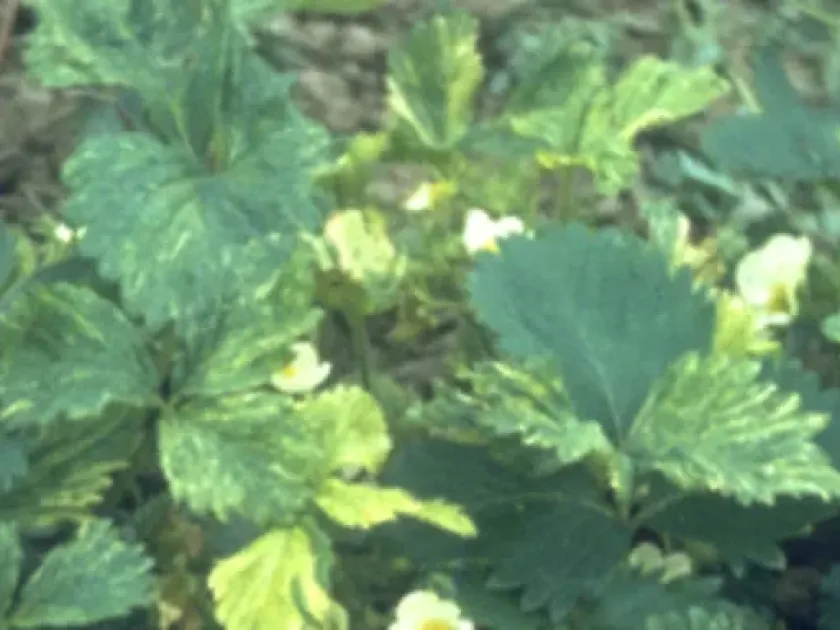
Initial symptoms manifest as small, light green or chlorotic spots on the leaves, which gradually develop into a distinctive mosaic or mottled pattern.
As the disease progresses, the symptoms often form longitudinal stripes or streaks confined by leaf veins, creating a characteristic variegated appearance.
Severely affected leaf tissues become chlorotic and eventually turn necrotic, resulting in brown, withered patches that significantly reduce the plant's photosynthetic capacity.
Plants infected with bacterial mosaic exhibit stunted growth and uneven tillering, which is particularly noticeable in winter wheat fields during the spring season.
In high humidity, a bacterial exudate may be visible on the lesions, appearing as a slight film that dries into a faint shiny residue under sunlight.
Pathogen
The disease is caused by the bacterium Pseudomonas syringae pv. japonica, a gram-negative pathogen known to infect various cereal crops including winter wheat.
This pathogen acts as an obligate parasite, living within the vascular system of the host plant and capable of surviving in crop residues and soil for extended periods.
The bacteria gain entry into plant tissues primarily through stomata or wounds caused by insect feeding or mechanical damage during agricultural operations.
Once inside, the pathogen multiplies in the intercellular spaces, releasing phytotoxins that degrade chloroplasts and interfere with the plant's metabolic processes.
The biological nature of this bacterium allows it to remain dormant under harsh conditions and reactivate as soon as the environment becomes favorable for infection.
Conditions for development
The development of bacterial mosaic is heavily favored by high relative humidity and the presence of free water or dew on the leaf surface for prolonged periods.
The optimal temperature range for bacterial proliferation is between +15°C and +25°C, which frequently occurs during the active spring growth phase of winter wheat.
Dense crop stands reduce air circulation, creating a microclimate with high humidity that facilitates the rapid spread of the pathogen throughout the field.
Mechanical damage from agricultural machinery or injuries caused by insect pests provide the necessary entry points for the bacteria to colonize healthy tissue.
Frequent rainfall and persistent fog enhance the dispersion of bacterial cells via water splash, leading to rapid secondary infection cycles within the crop.
Why it matters
The primary damage caused by bacterial mosaic is a reduction in grain yield, which can decrease by 20-30% in cases of severe field infestation.
The disease causes significant leaf damage, leading to poorer grain filling, lower thousand-kernel weight, and overall reduced grain quality.
Infected plants often show decreased winter hardiness and weakened resistance to other pathogens, increasing the likelihood of crop loss during winter months.
Economic losses are compounded by the need for additional pesticide applications and potential loss of market value for the harvested grain due to shriveling.
Beyond the quantitative loss, the disease limits the commercial potential of the grain, making it less suitable for milling and processing industries.
Protection
The most effective strategy involves the use of resistant wheat cultivars that demonstrate natural defense mechanisms against bacterial pathogens.
Implementing a robust crop rotation plan is essential to break the survival cycle of the bacteria in the soil and reduce inoculum pressure in subsequent seasons.
Deep plowing to thoroughly bury crop debris encourages rapid decomposition, effectively reducing the population of bacteria that overwinter in plant remains.
Integrated pest management programs focused on controlling insect vectors are critical to preventing the secondary spread of the infection during the growing season.
- Selection of certified disease-free seeds.
- Balanced nutrient management to enhance plant vigor.
- Optimizing seeding rates to ensure proper canopy aeration.
- Application of bio-based bactericides as a preventive measure in high-risk zones.
Pathogens and affected parts
Affects crops · 1
Discussion
No discussions yet — be the first.