
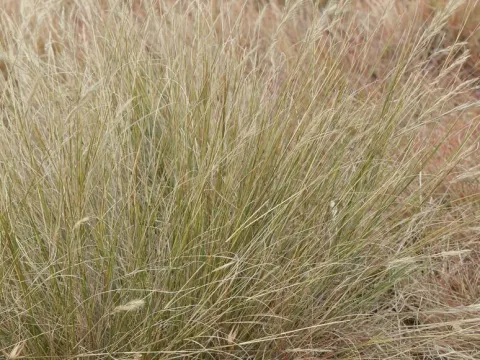
Aristida
Aristida
Aristida is a diverse genus of grasses in the Poaceae family, widely known as three-awn grasses. These plants are primarily distributed in arid and semi-arid regions globally, where they play a crucial role in maintaining soil stability.
What the section contains
 Aristida
 aristidis
Aristida
Aristida aristidis
 Aristida adscensionis
Aristida balansae
Aristida balansae
Aristida adscensionis
Aristida adscensionis
Aristida balansae
Aristida balansae
 Aristida barbicollis
Aristida barbicollis
Aristida barbicollis
 Aristida behriana
Aristida behriana
Aristida behriana
 Aristida bipartita
Aristida bipartita
Aristida bipartita
 Aristida browniana
Aristida browniana
Aristida browniana
 Aristida calycina
Aristida calycina
Aristida calycina
 Aristida caput-medusae
Aristida caput-medusae
Aristida caput-medusae
 Aristida congesta
Aristida cumingiana
Aristida cumingiana
Aristida congesta
Aristida congesta
Aristida cumingiana
Aristida cumingiana
 Aristida dichotoma
Aristida dichotoma
Aristida dichotoma
 Aristida divaricata
Aristida erecta
Aristida erecta
Aristida divaricata
Aristida divaricata
Aristida erecta
Aristida erecta
 Aristida funiculata
Aristida glauca
Aristida glauca
Aristida funiculata
Aristida funiculata
Aristida glauca
Aristida glauca
 Aristida hordeacea
Aristida hordeacea
Aristida hordeacea
 Aristida hygrometrica
Aristida hygrometrica
Aristida hygrometrica
 Aristida inaequiglumis
Aristida inaequiglumis
Aristida inaequiglumis
 Aristida junciformis
Aristida kerstingii
Aristida kerstingii
Aristida junciformis
Aristida junciformis
Aristida kerstingii
Aristida kerstingii
 Aristida leptopoda
Aristida leptopoda
Aristida leptopoda
 Aristida longespica
Aristida longespica
Aristida longespica
 Aristida mutabilis
Aristida mutabilis
Aristida mutabilis
 Aristida oligantha
Aristida oligantha
Aristida oligantha
 Aristida pallens
Aristida pruinosa
Aristida pruinosa
Aristida pallens
Aristida pallens
Aristida pruinosa
Aristida pruinosa
 Aristida ramosa
Aristida recta
Aristida recta
Aristida ramosa
Aristida ramosa
Aristida recta
Aristida recta
 Aristida rufescens
Aristida rufescens
Aristida rufescens
 Aristida setacea
Aristida setifolia
Aristida setifolia
Aristida sieberiana
Aristida sieberiana
Aristida setacea
Aristida setacea
Aristida setifolia
Aristida setifolia
Aristida sieberiana
Aristida sieberiana
 Aristida stipoides
Aristida stipoides
Aristida stipoides
 Aristida stricta
Aristida stricta
Aristida stricta
 Aristida ternipes
Aristida ternipes
Aristida ternipes
 Aristida torta
Aristida torta
Aristida torta
 Aristida tuberculosa
Aristida tuberculosa
Aristida tuberculosa
 Aristida vagans
Aristida vagans
Aristida vagans
 Feather-top wiregrass
Aristida latifolia
Feather-top wiregrass
Aristida latifolia
 Hook three-awn
Aristida hamulosa
Hook three-awn
Aristida hamulosa
 Jericho wiregrass
Aristida jerichoensis
Jericho wiregrass
Aristida jerichoensis
 Kerosene grass
Aristida contorta
Kerosene grass
Aristida contorta
 Purple three-awn
Aristida purpurea
Purple three-awn
Aristida purpurea
 Purple three-awn
Aristida purpurascens
Purple three-awn
Aristida purpurascens
 Red three-awn
Aristida longiseta
Short-leaf three-awn
Aristida curtifolia
Squirrel aristida
Aristida sciurus
Red three-awn
Aristida longiseta
Short-leaf three-awn
Aristida curtifolia
Squirrel aristida
Aristida sciurus
 Woolly three-awn
Aristida lanosa
Woolly three-awn
Aristida lanosa
Aristida
The botanical identity of Aristida is defined by its distinctive three-parted awns attached to the lemma. This adaptation serves as a mechanism for seed dispersal and burial in sandy substrates, allowing the plant to thrive where other species fail.
The crop is exceptionally adapted to extreme drought and high-temperature environments. It thrives in nutrient-poor, sandy, or rocky soils, requiring very little human intervention or supplemental fertilization, which makes it a candidate for soil reclamation projects.
Cultivation requirements for Aristida focus on providing excellent drainage and full sun exposure. The plant cannot tolerate waterlogged soils, as excessive moisture often leads to root zone failure and susceptibility to secondary infections.
Economically, Aristida is primarily used as rangeland forage in its early growth stages. While it is not a primary commercial crop, its ability to survive on degraded land makes it highly valued for erosion control and environmental stabilization in arid agricultural zones.
Common threats to Aristida stands include various fungal pathogens that flourish during unseasonably humid weather conditions. These infections typically affect the foliage and reduce the overall biomass production of the grass.
Pest pressure is mainly attributed to locusts and grasshoppers, which are capable of consuming large swathes of Aristida in arid regions. Due to the plant's slow recovery rate in drought, severe infestations can lead to the permanent loss of the vegetation cover in affected areas.