
Aristida pallens
Aristida pallens
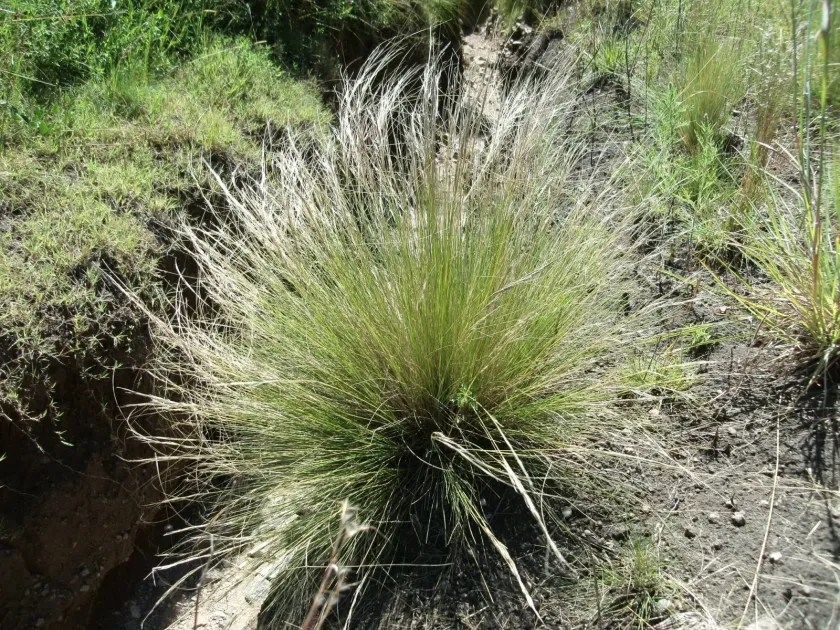
Description
Growing requirements
Aristida pallens is a perennial grass species belonging to the Poaceae family. It is well-known for its exceptional ability to thrive in arid and semi-arid environments, making it a critical plant for soil stabilization and forage in challenging climates.
The morphology of the plant is characterized by narrow, hardy leaves and a deep, fibrous root system. This structure is an evolutionary adaptation that allows the plant to access subsoil moisture during extended periods of drought when other plants typically wither.
When cultivating Aristida pallens, site selection is crucial. It requires full sun exposure and well-drained soils to prevent root rot. Heavy or waterlogged soils are unsuitable and will cause the plant to decline rapidly due to its inability to tolerate anaerobic conditions.
The preferred soil texture for this crop consists of sandy or sandy-loam profiles. It is particularly effective at colonizing nutrient-poor lands, although it performs best when provided with basic soil nutrient management to maintain optimal vigor.
Its primary agricultural role is as a range grass. While its nutritional profile is moderate, its resilience makes it an essential part of livestock feeding programs in regions where high-yield crops cannot be sustained without heavy irrigation.
Main diseases and pests
The most significant threats to Aristida pallens are fungal pathogens that proliferate under high humidity. Root and crown rot are common issues if the soil moisture levels are not properly managed throughout the growing season.
Insect pests, specifically grasshoppers and other orthopterans, can cause substantial damage to the foliage. These pests thrive in the same arid environments as the grass and require active monitoring to protect the forage yield.
Overgrazing poses a severe risk to the longevity of Aristida pallens stands. When the plant is grazed too closely, it loses its ability to photosynthesize effectively and becomes more vulnerable to soil erosion and subsequent weed invasion.
Rust diseases are also a concern during wetter-than-average years. These infections can decrease the overall biomass production and reduce the palatability of the forage for livestock if left unmanaged.
To mitigate these threats, integrated management practices should be employed. Maintaining proper grazing intervals and monitoring local weather patterns are key strategies to keep the grass stand healthy and resistant to diseases and pests.