


Reference · Crops
Arctagrostis
Arctagrostis
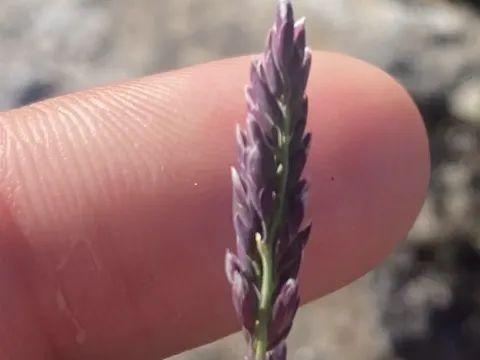
Arctagrostis is a valuable perennial grass species belonging to the Poaceae family, specifically adapted to extreme northern latitudes. It serves as a key component of arctic and subarctic flora, demonstrating remarkable ecological plasticity.
1
items
What the section contains
Marketplace
Products in this section · 1
Arctagrostis
The plant features a robust root system, which allows it to efficiently retain moisture and nutrients in nutrient-poor northern soils. Stems typically reach heights of 30 to 90 centimeters, forming dense sod that effectively prevents soil erosion.
This crop prefers moist areas, frequently thriving in northern river floodplains, boggy meadows, and tundra ecosystems. It displays high frost tolerance and is capable of active vegetation at low positive temperatures.
Soil requirements for optimal growth include good water-holding capacity. Arctagrostis can withstand short-term flooding, making it an essential component for establishing seeded meadows in flooded territories of the Far North.
Agrotechnics for this crop require minimal intervention due to its high competitiveness against weeds. The best results are achieved on slightly acidic or neutral soils rich in organic matter.
In northern forage production, Arctagrostis is highly valued as a protein-rich crop. It is used primarily for haymaking and as pasture feed, known for its good palatability for livestock, including reindeer and cattle.
The yield of green biomass depends significantly on the moisture levels of the site during the peak growing season. With proper pasture management, the crop shows excellent regrowth potential after grazing or mowing.
Nutritional value remains high until the flowering phase. During this period, the grass contains an optimal balance of proteins and carbohydrates required to support animal productivity in harsh climates.
The agricultural use of this species is integrated into northern meadow management. It is a vital component for land reclamation, as it quickly forms a stable and resilient turf cover.
Long-term yield stability is guaranteed by the plant's ability to store nutrients in its rhizomes, enabling successful overwintering even in permafrost conditions.
Typical threats to Arctagrostis crops include fungal diseases that emerge under high humidity and cool summer conditions. Snow mold can affect the plants after snowmelt during long, cool springs.
Pests specific to northern grasses include various species of cereal flies and meadow moths. However, due to its natural habitat, Arctagrostis possesses strong resistance to most regional pathogens.
Abiotic factors, such as drastic temperature fluctuations and early autumn frosts, may affect seed quality but rarely lead to total crop failure of the perennial stand.
Overgrazing can lead to a reduction in stand density and the encroachment of less valuable species. Implementing a rotational grazing system is highly recommended.
Regular monitoring of the stand allows for risk mitigation and helps maintain the productive longevity of the grass for up to 10 years.