
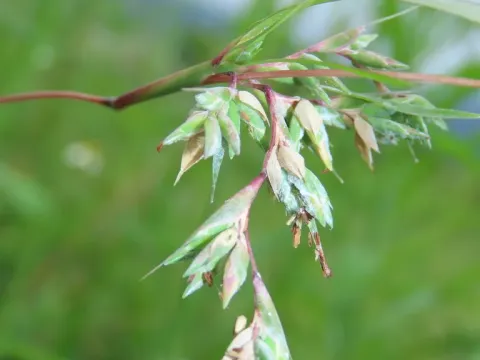
Apluda
Apluda
Apluda, commonly known as Apluda mutica, is a perennial grass species belonging to the Poaceae family. Native to tropical and subtropical regions across Asia and Australia, this plant is recognized for its robust growth and ecological adaptability.
What the section contains


Apluda
The crop thrives in well-drained, fertile soils with moderate moisture availability. While it shows some resilience to variable soil types, optimal biomass production is achieved in sites with high organic matter content and good drainage characteristics.
Climatic requirements for Apluda involve high temperatures and consistent sunlight. It is a thermophilic plant that performs best in environments without frost, making it a critical forage resource in tropical agricultural landscapes.
Agronomic management requires thorough soil preparation to ensure a uniform seedling stand. Because the seeds are relatively small, precise sowing depth is essential for maximizing emergence rates and establishment consistency in the field.
Nutrient management should focus on nitrogen and phosphorus application to support vegetative vigor. Balanced fertilization programs are key to sustaining multiple cuttings and long-term yield stability over several years.
Apluda is primarily utilized for its value as livestock fodder. It offers a reliable source of green mass, especially in regions where traditional forage crops struggle to meet the demand of the dairy and beef industries.
The nutritional quality is highest during the pre-flowering stage, providing essential fibers and crude protein for ruminants. Proper management of the cutting schedule is vital to maintaining the digestibility and palatability of the harvested forage.
In addition to fresh feeding, the grass can be ensiled or processed into high-quality hay. Effective curing and storage techniques are required to minimize nutrient loss and prevent the growth of molds during the preservation process.
Yield performance is heavily influenced by moisture availability and soil fertility. With appropriate irrigation management during dry spells, producers can achieve stable yields that contribute to overall farm productivity.
Beyond agricultural applications, the plant serves as a useful ground cover for erosion control. Its extensive root system provides soil stability, making it an excellent choice for stabilizing embankments and protecting land from runoff.
Fungal diseases, including leaf rust and various powdery mildew species, represent significant threats to Apluda stands. Integrated pest management strategies, including the use of fungicides, are recommended for large-scale operations.
Pest populations, such as aphids and stem-boring caterpillars, can cause substantial damage to crops. Regular scouting during the vegetative stage helps identify infestation hotspots and allows for localized treatment.
Weed interference is a critical concern, particularly during the early establishment phase. Post-emergent herbicide application or mechanical weeding is often necessary to ensure the crop establishes without severe competition.
Environmental stressors such as excessive moisture or prolonged flooding can weaken the crop, making it more susceptible to root diseases. Maintaining proper drainage infrastructure is an essential preventative measure in high-rainfall areas.
Sustainable production practices, including crop rotation and the removal of crop residues, help to minimize the buildup of pathogen inoculum in the field, ensuring the long-term health of the Apluda plantation.