
Aristida behriana
Aristida behriana
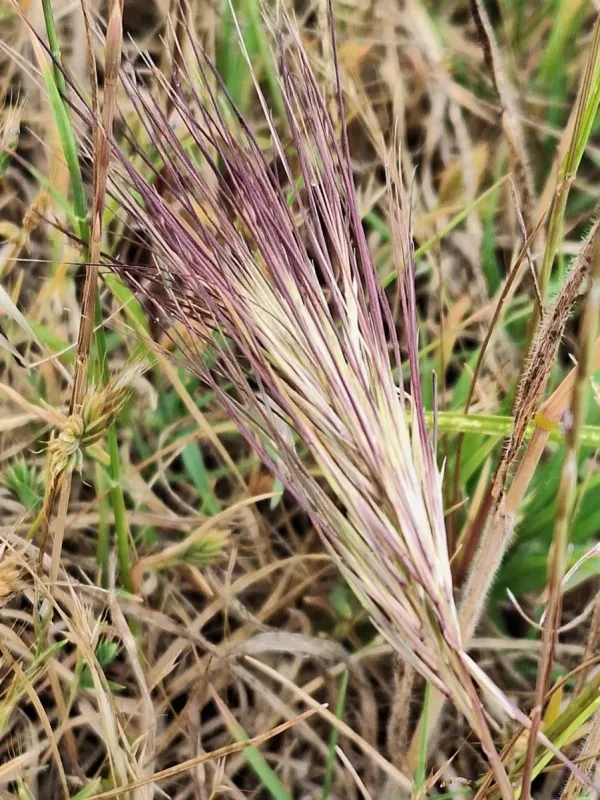
Description
Growing requirements
Aristida behriana is a perennial grass species belonging to the Poaceae family. It forms dense tussocks and is recognized as an important component of the vegetation in arid and semi-arid regions of Australia.
The plant is highly adapted to harsh environmental conditions characterized by prolonged heat and significant water scarcity. It thrives in open landscapes where moisture is limited and sunlight is abundant throughout the year.
The ideal soil conditions for this species involve well-drained sandy or loamy soils. Aristida behriana is well-suited for poor, nutrient-deficient substrates, demonstrating resilience where more demanding agricultural crops would fail to establish.
Botanically, the plant is distinguished by its stiff, narrow leaves and unique three-awned seeds. These seeds are aerodynamically structured to disperse over long distances, aiding the species' ability to colonize new, dry areas.
Its primary value lies in its ecological role, specifically in preventing soil erosion in arid zones. Due to its deep root system, it helps maintain soil structure and supports the resilience of local ecosystems against desertification.
Main diseases and pests
The primary threats to Aristida behriana populations include habitat fragmentation and the encroachment of invasive weed species. These invaders often outcompete the grass for limited soil nutrients and moisture in disturbed landscapes.
Fungal diseases such as rust or leaf spot can occur if the local environment experiences uncharacteristic periods of high humidity. These conditions are detrimental to the species, which has evolved specifically for dry climates.
Insect pests, including certain species of grasshoppers and larvae, may cause damage during the active growing season. While the plant's high silica content makes it unpalatable to many herbivores, severe infestations can still impact its vigor.
Overgrazing poses a significant risk to its survival. Constant removal of the vegetative mass prevents the plant from storing sufficient energy in its roots, which is essential for survival during seasonal drought cycles.
Management strategies should focus on maintaining healthy soil structure and ensuring minimal chemical interference. Protection from mechanical damage and uncontrolled fire regimes is crucial for long-term population sustainability.