
Aristida rufescens
Aristida rufescens
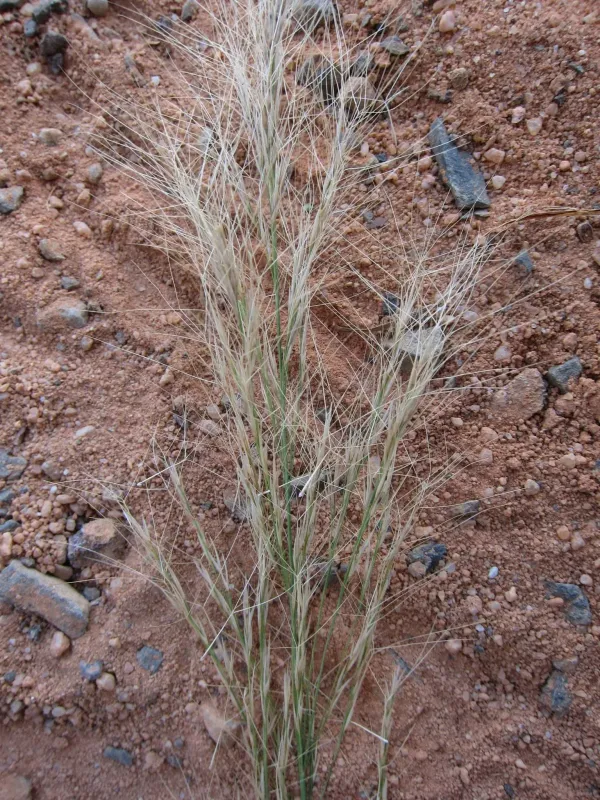
Description
Growing requirements
Aristida rufescens is a perennial herbaceous plant belonging to the Poaceae family. Native to regions of Africa, this grass has adapted to harsh environmental conditions, making it a robust species for agriculture in tropical and subtropical climates.
The plant is highly specialized for growth in sandy or sandy-loam soils with low fertility levels. It thrives in well-drained environments where other more demanding agricultural crops might struggle to establish a viable root system.
One of the primary botanical features of Aristida rufescens is its remarkable drought tolerance. It possesses a deep, extensive root network that allows it to access moisture reserves during prolonged dry spells, ensuring survival in semi-arid zones.
Morphologically, the plant presents as a bunchgrass with narrow, often involute leaves and panicle inflorescences. These traits help minimize transpiration, allowing the plant to maintain physiological activity even during peak temperatures.
Cultivation requirements are relatively straightforward, focusing on light management and grazing intensity. Because it is a heliophilous species, it must be grown in areas with full sun exposure, as it cannot compete effectively in shaded or dense forest environments.
Harvesting
In terms of agricultural utility, Aristida rufescens is primarily valued for livestock forage. It serves as a reliable source of green matter in pasture systems, particularly during transition periods when more sensitive fodder species become dormant due to heat stress.
Harvesting for hay production must be timed precisely. Agronomists recommend cutting the grass before seed heads fully mature; otherwise, the sharp awns of the seeds can cause mechanical injury to the digestive tracts of grazing animals.
Beyond its value as feed, the species is an essential tool for soil conservation. It is frequently employed in reclamation projects to stabilize shifting sands and prevent wind erosion in degraded agricultural lands.
Effective management involves rotational grazing practices that allow the plants adequate time for recovery. By preventing overgrazing, producers can ensure the long-term sustainability of the pasture and promote healthy vegetative regrowth.
The resilience of this grass makes it a preferred choice for extensive farming systems where water irrigation is limited or unavailable. It provides a foundational layer of biomass that protects the soil surface and supports local livestock production.