
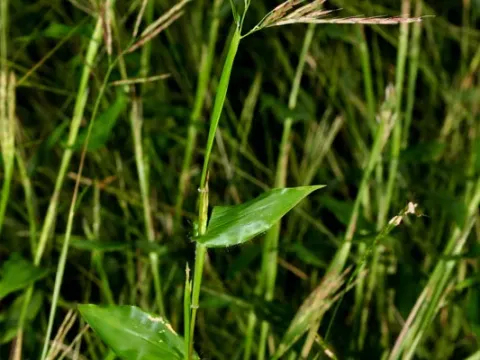
Arthraxon
Arthraxon
Arthraxon is a genus of plants in the grass family, Poaceae. These are primarily annual or perennial herbs that thrive in humid environments across subtropical and tropical regions.
What the section contains


Arthraxon
The sowing season depends on the specific climate zone; however, in most cultivation areas, it is performed in spring when soil temperatures consistently exceed 15 degrees Celsius.
For successful germination, Arthraxon seeds require high levels of substrate moisture, which is why sowing is often aligned with the onset of the rainy season.
The depth of sowing should be minimal, as the seeds are quite small; surface sowing followed by light rolling is recommended to ensure optimal soil-to-seed contact.
Choosing a location with adequate sunlight is crucial, as this grass is sensitive to shading, which can significantly retard its vegetative development and total biomass production.
This crop has high water requirements and performs best in moist soils, such as riverbanks or areas with a high water table, making it suitable for waterlogged zones.
Arthraxon prefers fertile loamy soils rich in organic matter, although it demonstrates a capacity to adapt to various soil textures provided that irrigation is consistent.
The optimal pH range for this species is between 6.0 and 7.5, which facilitates efficient nutrient uptake and supports vigorous plant growth throughout the season.
The temperature regime must correspond to temperate-warm or tropical climates, as the plant is highly intolerant of frost and prolonged periods of severe drought.
Agronomic management includes regular applications of nitrogen-based fertilizers, which promote rapid stem and leaf growth necessary for successful forage production.
The yield of Arthraxon is directly proportional to the density of the stand and the efficiency of the irrigation system, which ensures a steady biomass accumulation.
With intensive care and scheduled nutrient inputs, this crop can support multiple harvests per season, proving to be a highly productive source of green fodder.
Its primary agricultural use is in livestock farming, where it is utilized as a nutritious pasture grass or as a component for high-quality hay production.
The biological productivity of this genus is driven by its ability to rapidly accumulate organic matter, allowing it to be effectively used for reseeding degraded pastures.
To ensure high seed yields, specific areas should be left unharvested until the inflorescences reach full biological maturity, enabling natural seed dispersal and regeneration.
The primary threats to Arthraxon include fungal diseases such as grass rust, which are particularly prevalent in conditions of poor air circulation and excessive humidity.
Pests, including meadow moths and various species of cutworms, can significantly damage the foliage and stems, leading to substantial yield reductions.
Effective disease prevention involves rigorous crop rotation and the avoidance of overcrowded stands, which helps improve ventilation within the grass canopy.
Weed competition during the early growth stages is a critical issue, as Arthraxon establishes slowly and can be easily outcompeted by more aggressive weeds.
Timely chemical applications or mechanical weeding are essential management practices that guarantee the maintenance of target stand density and crop health.
Harvesting for green fodder should occur during the shooting stage or the early flowering phase, when the concentration of essential nutrients in the leaves is at its peak.
Mechanical harvesting requires the use of mowers with adjustable cutting heights to avoid damaging the tillering nodes, thus encouraging rapid regrowth.
When producing hay, ensuring uniform drying is vital, as the high moisture content in the stems makes the crop prone to spoilage and mold if not dried correctly.
For seed collection, harvesting is performed when the inflorescences turn brown; mechanical combine harvesting followed by post-harvest drying is standard practice.
After the final harvest, light harrowing is recommended to incorporate any shed seeds into the soil and to improve the structural integrity of the topsoil layer.