
Aristida leptopoda
Aristida leptopoda
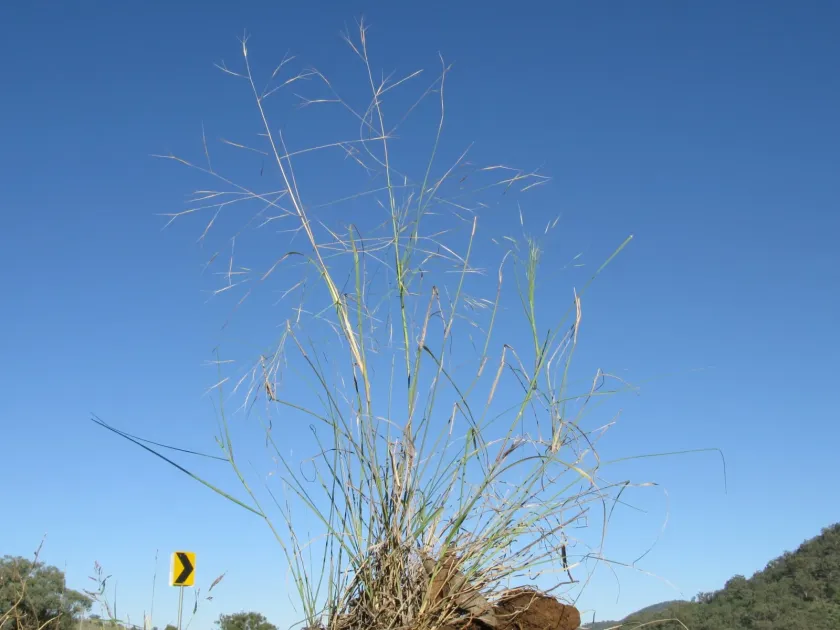
Description
Growing requirements
Aristida leptopoda is a perennial grass species belonging to the Poaceae family, native to the arid and semi-arid regions of Australia. This plant is well-known for its role in maintaining ground cover in areas where more moisture-demanding species cannot thrive.
Botanically, it is characterized by narrow, rigid leaf blades and a robust root system that anchors the plant firmly in heavy clay or clay-loam soils. These adaptations are crucial for surviving the high-temperature and low-precipitation environments of the Australian grasslands.
The climatic requirements for Aristida leptopoda are primarily focused on high solar radiation and endurance of long drought spells. The plant has evolved to enter periods of dormancy or slow growth during extreme dry conditions and resumes growth rapidly when soil moisture levels increase slightly.
From an agronomic perspective, this grass is managed as a natural range resource. It does not require intensive fertilization or cultivation, making it a low-input component of extensive livestock production systems where cattle and sheep graze on native pastures.
Management of this culture requires careful observation of its reproductive cycle. As the plant produces seeds with sharp, persistent awns, farmers typically manage grazing rotation to ensure that animals avoid the areas where the plant is in its late reproductive phase, thus preventing physical injury to livestock.