
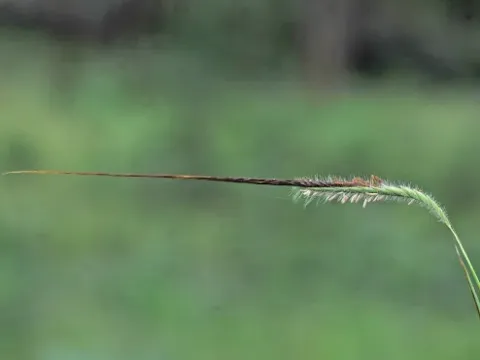
Apocopis
Apocopis
Apocopis is a genus of perennial grasses native to tropical and subtropical regions. In their natural habitat, these grasses germinate effectively at the beginning of the rainy season when moisture levels and temperatures are optimal for rapid seedling establishment.
What the section contains

Apocopis
In agricultural settings, sowing is conducted after careful seedbed preparation to ensure good soil-to-seed contact. Because the seeds are relatively small, shallow sowing is recommended to prevent the seedlings from exhausting their energy reserves before reaching the surface.
The optimal time for sowing is during periods of stable warmth. In regions with a monsoon climate, planting is synchronized with the onset of the first seasonal rains to maximize the chances of successful root development.
For large-scale cultivation, specialized precision seeders are used to ensure uniform density. Proper seeding rates are essential to reduce competition between young plants and to establish a consistent, healthy pasture stand.
Post-seeding compaction is often beneficial to prevent the topsoil from drying out. Given the thermophilic nature of this crop, early sowing during cold weather must be avoided, as it can lead to poor emergence or crop failure.
This crop exhibits significant plasticity, allowing it to grow in various soil types, ranging from sandy loams to heavier clay soils. However, adequate drainage is essential, as the species does not tolerate waterlogging for extended periods.
Apocopis is a light-demanding grass, performing best in open areas with full sun exposure. Shade significantly reduces biomass production and negatively impacts the nutritional quality of the forage, making site selection critical.
The ideal soil pH for this crop falls within the slightly acidic to neutral range. While the plant can withstand temporary moisture stress, consistent soil structure and nutrient availability are key to maintaining long-term productivity.
Temperature is the most limiting factor for Apocopis cultivation. As a tropical genus, it is highly sensitive to frost, which makes it unsuitable for cultivation in temperate climates prone to freezing temperatures during the growing season.
Routine management involves the application of nitrogenous fertilizers to encourage vegetative regrowth after harvesting or grazing. Balancing macronutrients in the soil is crucial for maintaining a dense, vigorous stand that is resistant to environmental stresses.
Yield potential depends heavily on rainfall patterns and soil fertility. Under favorable conditions, Apocopis forms a dense sward, providing a consistent and reliable source of green biomass throughout the active growing period.
The primary use of this crop is for livestock grazing and the production of hay. It is well-regarded for its ability to withstand controlled grazing, recovering quickly through active tillering, which makes it a valuable component of pasture management.
Implementing rotational grazing is highly recommended to maximize yield. This practice allows plants to replenish carbohydrate reserves in their roots, which enhances the longevity and stability of the pasture over several years.
The nutritional value of the biomass is highest during the early heading stage. Harvesting or grazing at this time ensures the best balance between bulk yield and digestibility, as waiting too long leads to higher fiber content.
Under intensive management with irrigation and fertilization, multiple cuts per season are achievable. The final yield is a reflection of the specific climate and the precision of the agronomic inputs provided during the season.
Fungal diseases are the primary threat to Apocopis, particularly in high-humidity environments. Rusts and various leaf spots can severely impair plant health and reduce the overall tonnage and feed value of the crop.
Pests such as aphids and various cereal flies frequently target the leaves and young shoots. These infestations can stunt growth and create entry points for secondary infections, necessitating integrated pest management strategies.
Weed competition is a major challenge during the stand establishment phase. Broad-leaved weeds, in particular, can shade out young Apocopis seedlings, stealing critical resources like sunlight and water early in the life cycle.
Integrated control programs are recommended to manage these threats. Proper crop rotation and field sanitation help minimize pest pressure while reducing the need for chemical interventions, keeping the forage clean and safe.
Management of grazing intensity is also a form of preventative care. Overgrazing weakens the grass stand and creates bare soil patches where invasive weeds can easily establish, so maintaining appropriate stocking rates is vital.
Hay harvesting should be performed during the heading phase to ensure a high-quality forage product. If the grass is left to mature too long, it becomes stemmy, and its palatability and nutritional content drop significantly.
Mowing should be performed at an appropriate height to avoid damaging the crown of the plant. A clean cut ensures that the plant can regrow rapidly, maintaining the productivity of the field for the remainder of the season.
The harvested material must be dried effectively in windrows. Using tedders to turn the grass promotes uniform drying, which prevents molding and fermentation during the storage phase, ensuring the hay remains high quality.
For grazing operations, the harvest is achieved through cyclical movement of livestock. Managing the transition between grazing paddocks allows the grass sufficient rest time to regrow, preserving the root reserves and stand density.
Stored hay must be kept in cool, dry conditions with adequate ventilation. Proper storage prevents the buildup of moisture that leads to mold or spoilage, ensuring the nutritional integrity of the winter feed supply.