
Aristida tuberculosa
Aristida tuberculosa
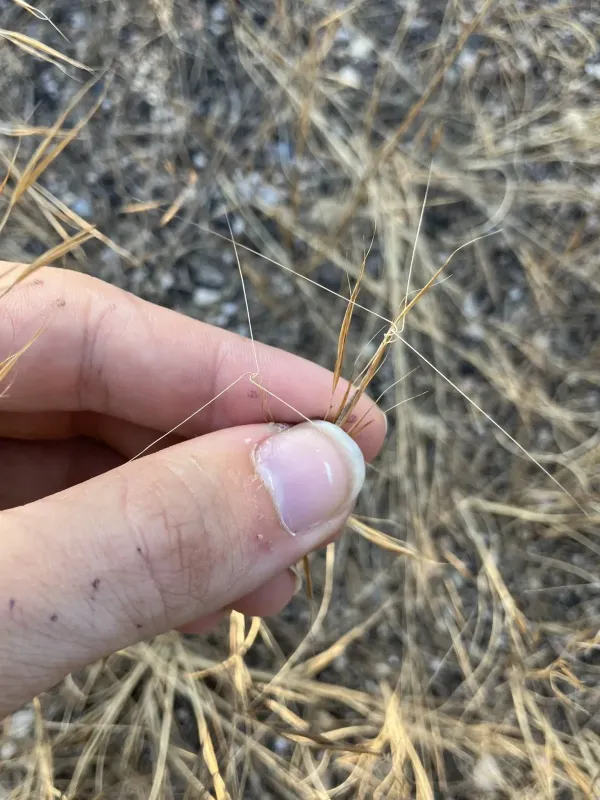
Description
Growing requirements
Aristida tuberculosa is a notable species within the Poaceae family, widely recognized for its preference for sandy substrates. It is primarily found in dune ecosystems and sandy barrens where moisture availability is inconsistent.
The species is highly specialized for nutrient-poor environments. It thrives in soils characterized by low organic matter content, demonstrating remarkable resilience to physiological drought and intense solar exposure.
Adequate soil aeration and drainage are the most critical requirements for the successful cultivation of this grass. In heavy or compacted soils, the root system fails to develop, which significantly stunts the plant's growth.
From a land management perspective, this grass is an excellent stabilizer. It is frequently employed in soil conservation efforts to bind loose sand, serving as a buffer against wind-driven erosion in arid landscapes.
While not a primary forage crop due to its tough texture, it serves as a valuable component in ecological restoration projects. Its aesthetic appeal also secures its place as an ornamental plant in xeric garden designs.
Main diseases and pests
Fungal pathogens associated with excessive moisture are the primary threats to the health of the plants. Prolonged saturation of the root zone almost inevitably leads to root rot, which is often fatal.
Leaf rust diseases can be a nuisance during seasons with high humidity or poor ventilation. Ensuring proper spacing during planting helps to mitigate the spread of these airborne fungal spores across the field.
Soil-borne insects and larvae pose a threat during the seedling stage. These pests may feed on the delicate root system, hindering the plant's ability to establish itself in harsh sandy environments.
Weed competition is a significant obstacle in the early growth phase. Without effective weed control, the slow-growing Aristida seedlings can be easily overtaken by aggressive, fast-growing invasive plant species.
Overgrazing and excessive soil disturbance by machinery represent major anthropogenic threats. These actions disrupt the delicate soil crust and the plant's root network, leading to reduced population density over time.