
Aristida stipoides
Aristida stipoides
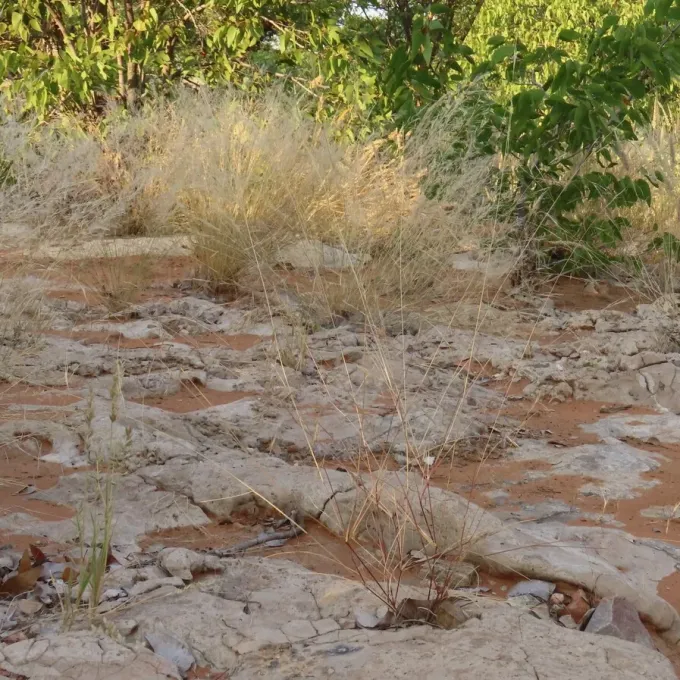
Description
Growing requirements
Aristida stipoides is a perennial grass belonging to the Poaceae family, widely recognized for its exceptional resilience in arid environments. This species is native to Africa, where it thrives in savannas and sandy soils that are generally unsuitable for traditional crop farming.
Botanically, it is characterized by narrow, rigid leaves and three-parted awns that are efficient in seed dispersal. The root system is deep and extensive, allowing the plant to reach moisture reserves in the lower soil horizons during prolonged dry seasons.
The climate requirements for this species focus on heat and light intensity. It is a strictly tropical plant that thrives in temperatures ranging from 25°C to 35°C. Exposure to frost is detrimental, and the plant cannot survive in temperate climates without controlled greenhouse conditions.
Soil preferences lean towards well-drained, sandy, or stony substrates. Unlike more demanding forage grasses, Aristida stipoides does not require high levels of nitrogen or organic matter to maintain its population density, making it a low-input crop.
Agricultural techniques involve minimal tillage, as the goal is usually to establish permanent pastures. Proper site selection focusing on drainage and sunlight availability is the primary factor for successful establishment of new stands.
Yield
The primary agricultural use of Aristida stipoides is as a pasture forage in regions where water scarcity prevents the growth of more productive grasses. It serves as a reliable feed source for livestock during the peak of the dry season.
Yield capacity is dictated by rainfall patterns. While it does not produce the massive green biomass of temperate grasses, it offers stable nutritional value in extreme conditions, ensuring livestock survival when other plants fail.
Beyond forage, it is highly valued for soil conservation efforts. The grass plays a critical role in stabilizing shifting dunes and preventing wind erosion in desertification-prone areas through its dense root mass.
Rotational grazing is the recommended method to maximize the longevity of the pasture. By allowing the plants to recover after grazing, farmers can prevent the depletion of carbohydrate reserves in the crown and roots.
Future agricultural applications may include the use of this grass in large-scale land rehabilitation projects, as it is an excellent pioneer species for degraded lands in arid tropical and subtropical zones.
Main diseases and pests
Aristida stipoides displays a remarkably low susceptibility to common agricultural diseases. Its physical toughness acts as a natural deterrent against many pathogenic fungi and bacteria that typically affect leafy crops.
The main biological threats are periodic outbreaks of locusts and other foliage-feeding insects in tropical environments. These pests can rapidly strip a pasture of its biomass, necessitating strategic population monitoring.
Root pathogens are rare but can occur if the plant is subjected to poor drainage conditions for extended periods. Waterlogging is the most common cause of stress that may lead to secondary fungal infections.
Management of pests and diseases is usually preventative, focusing on avoiding overgrazing which weakens the plants. A healthy, well-managed pasture is naturally resistant to most common grass pathogens.
Overall, Aristida stipoides requires very little intervention in terms of chemical pest control, making it an ideal candidate for organic grazing management systems in challenging tropical climates.