
Aristida caput-medusae
Aristida caput-medusae
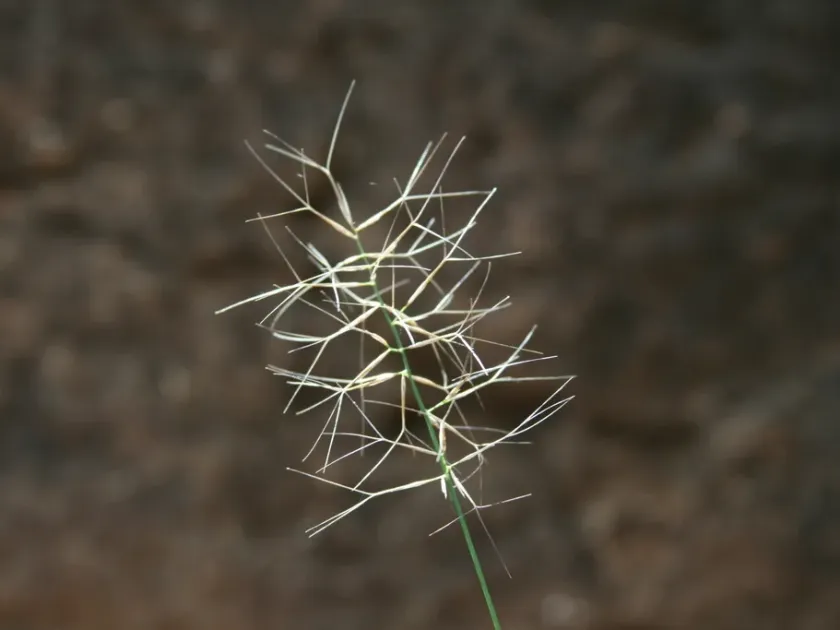
Description
Sowing dates
Aristida caput-medusae is a perennial grass species that typically propagates through natural reseeding in its native habitat. When introduced into cultivation, planting should be timed to coincide with the onset of the rainy season to ensure sufficient moisture for seedling establishment.
Site preparation involves deep tillage to eliminate competing weed flora that could hinder initial growth. Seeds exhibit a dormancy period, which must be accounted for by carefully selecting the optimal planting dates according to regional climate patterns.
The seeding depth should remain shallow, typically around 1 to 2 centimeters, as the small seeds require warmth and surface moisture to germinate. Mechanical packing after sowing is recommended to ensure consistent soil-to-seed contact.
Maintaining proper plant density is crucial for crop success. Overcrowded fields result in lower individual plant productivity due to competition for sunlight and essential soil nutrients during the peak growth phase.
Once established, the plant develops a vigorous root system, which helps it anchor into the soil and successfully reclaim disturbed or degraded lands, preventing further erosion.
Growing requirements
This crop is remarkably undemanding regarding soil quality, thriving in sandy, rocky, or even nutrient-poor substrates. Its ability to grow in saline soils makes it an excellent candidate for agricultural use on marginal land.
Aristida caput-medusae is exceptionally adapted to arid environments, utilizing water-efficient physiological mechanisms. It can withstand extended drought periods without suffering significant losses in biomass.
As a heliophyte, the plant requires maximum solar exposure for optimal development. Shading, even partial, significantly inhibits growth rates and reduces the density of the panicles, which are critical for yield.
The plant is suited for tropical and subtropical climates and is highly sensitive to frost. Consistent warm temperatures are required throughout the growing season to maximize photosynthetic activity and carbon sequestration.
Soil aeration is critical for the survival of this species. While it is tolerant of poor soil types, waterlogged conditions are lethal to the root system, leading to rapid decline if drainage is insufficient.
Yield
The biomass yield of Aristida caput-medusae is primarily influenced by moisture availability throughout the growing cycle. In favorable conditions, it provides a reliable, high-volume source of forage for livestock.
Yield metrics are based on the total green matter produced and the efficiency of panicle formation. The plant forms a dense canopy that is suitable for extensive grazing systems and rangeland management.
When used as a pasture grass, the plant exhibits good regrowth capacity after grazing. However, sustainable management requires rotational grazing periods to allow the plants to replenish their internal energy stores.
In irrigation-supported setups, yields increase substantially; however, the plant is most valued for its ability to produce sustainable forage under rain-fed conditions with minimal external input.
Seed harvesting should be performed during the soft-dough stage to prevent heavy losses due to the plant's natural tendency for shattering. Efficient mechanical harvesting preserves the majority of the crop.
Main diseases and pests
Aristida caput-medusae possesses a strong innate resistance to many common cereal diseases, largely due to its tough, fibrous leaf structure. This makes it a low-maintenance crop in terms of phytosanitary management.
Locust swarms pose the most significant threat to the crop, as they can rapidly consume all above-ground biomass. Early monitoring and proactive pest management are essential in regions prone to locust activity.
Fungal infections, such as smut, may occasionally affect the panicles, particularly in high-humidity years. Proper field site selection and maintaining optimal plant spacing are the best preventive measures.
Root rot is rarely an issue unless the soil remains saturated for extended periods. Ensuring proper drainage is the most effective way to protect the plant from soil-borne pathogens.
Small rodents can damage the root crowns during the winter season. Maintaining clean field boundaries and controlling rodent populations helps protect the long-term stability of the grass stand.
Harvesting
Harvesting for forage purposes must occur before the stems lignify, as the nutritional value peaks during the vegetative phase. Delaying the harvest results in a decrease in protein content and digestibility.
Modern mowing equipment allows for efficient harvesting of the grass. Because of its low moisture content, the cut material dries rapidly in the field, making it an excellent candidate for rapid hay production.
Seed collection requires specialized harvester settings to avoid damaging the delicate seeds. Gentle threshing is necessary to maintain high germination rates for future planting seasons.
After threshing, the seeds undergo cleaning to remove the stiff awns that can interfere with planting machinery. Drying to a moisture content of 12-14% ensures long-term storage viability.
Storage should take place in dry, well-ventilated conditions to prevent mold formation and protect the seeds from granary pests. Proper bagging or bulk storage maintains quality for over a year.