
Aristida oligantha
Aristida oligantha
Description
Growing requirements
Aristida oligantha, commonly known as prairie threeawn, is an annual grass species belonging to the Poaceae family. It is widely recognized for its ability to thrive in poor, sandy, or rocky soils where other species often fail.
The crop is highly adapted to semi-arid climates with high solar radiation and low precipitation levels. Its physiological structure allows it to maintain productivity even during periods of severe water deficit.
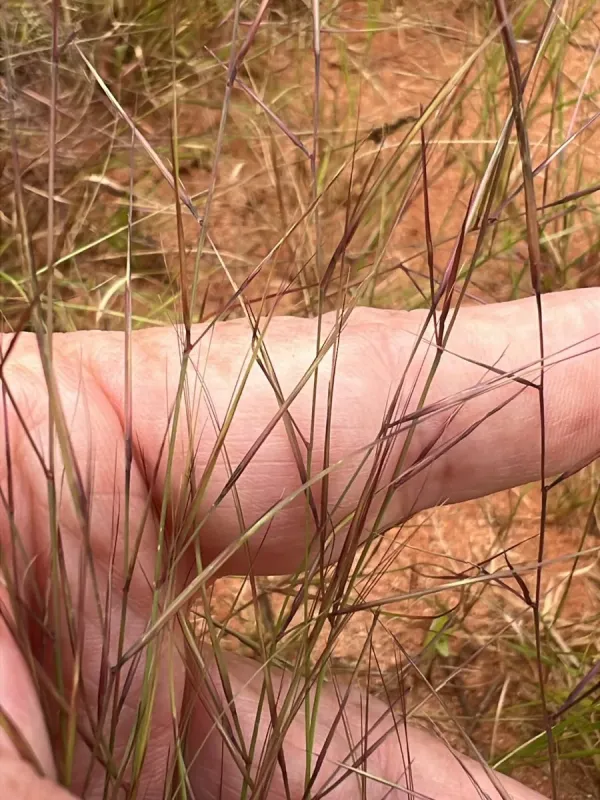
Botanically, the plant is characterized by its slender stems and narrow leaves, which are typical adaptations for water conservation. Its inflorescence is a panicle, producing numerous seeds that are easily dispersed by wind and animal activity.
Agronomically, the plant is classified as an opportunistic species that quickly colonizes disturbed soil. Its deep and fibrous root system makes it an excellent choice for stabilizing soil on slopes prone to erosion.
Management of the crop requires attention to its invasive potential in certain ecosystems. However, its hardiness makes it a valuable subject for studies on drought-resistant forage alternatives in arid zones.
Main diseases and pests
The crop can be susceptible to various fungal pathogens, particularly rust and leaf spot diseases, especially in environments where humidity levels are intermittently high during the growing season.
Root system health is vital; therefore, soil-borne pathogens and root rot fungi pose a significant threat, especially if the soil lacks proper drainage and becomes waterlogged after heavy rainfall.
Common insect pests include grass-feeding aphids and various lepidopteran larvae that can defoliate the plant, significantly reducing its photosynthetic capacity and biomass yield.
Mechanical damage to seeds by insects is another concern, as it directly impacts the reproductive success of the plant population within the agricultural system.
Integrated pest management strategies are recommended, focusing on maintaining soil nutrient balance and monitoring populations of insect vectors to prevent secondary viral infections.