
Aristida dichotoma
Aristida dichotoma
Description
Growing requirements
Aristida dichotoma, commonly known as poverty grass or Shinners' three-awn, belongs to the Poaceae family. This annual grass is primarily native to North America, where it thrives in varied temperate environments.
The plant is specifically adapted to poor, sandy, or rocky soils where nutrient content is minimal. It acts as an indicator species for low-fertility sites and demonstrates remarkable drought tolerance during its growing season.
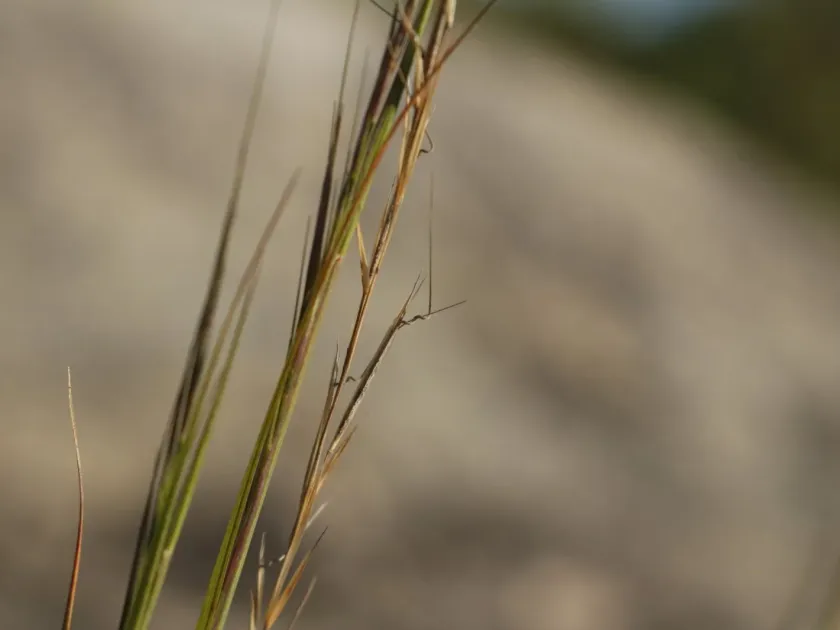
Botanically, it is identified by its branching habit and small, three-awned seeds. It typically grows in tufts, reaching heights of up to 50 centimeters depending on the available soil moisture and sunlight exposure.
Optimal conditions for growth include full sun and well-drained substrates. It struggles in clay-heavy or overly wet environments, preferring the airy, dry structure of disturbed open habitats.
While not a primary crop for cultivation, it serves a critical role in soil stabilization on erosion-prone slopes. Its presence helps prevent wind and water erosion in ecosystems where soil structure is unstable.
Main diseases and pests
The plant is susceptible to various rust fungi during humid weather conditions, which can impact the health of the foliage in the late season.
Common agricultural pests affecting grass species, such as aphids and certain leaf-eating larvae, may colonize the plants but rarely cause devastating damage.
From an agricultural standpoint, the primary threat posed by Aristida dichotoma is its potential to act as an invasive weed in managed grazing lands.
Its sharp, awned seeds can penetrate animal hides and oral tissues, making the grass undesirable for livestock consumption during the reproductive phase.
Integrated weed management, including early mowing before seed maturation, is the standard practice for controlling its spread in areas where it competes with forage grasses.