
Aristida adscensionis
Aristida adscensionis
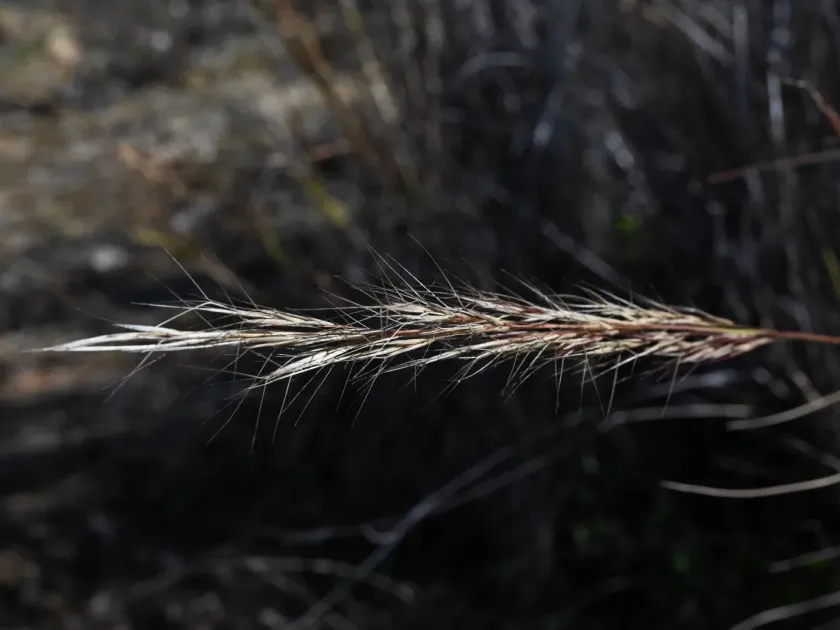
Description
Growing requirements
Aristida adscensionis is an annual grass species belonging to the Poaceae family. It is widely recognized for its exceptional resilience and ability to thrive in extremely arid environments where few other plants can survive.
The native range of this species is vast, encompassing tropical and subtropical regions across Africa, the Americas, and Asia. It typically inhabits open spaces, sandy soils, and rocky terrains where moisture availability is significantly limited.
Botanically, the plant is characterized by its narrow leaves and distinct three-awned florets. These awns are essential for seed dispersal, as they allow the seeds to attach to animals or be carried easily by the wind across dry landscapes.
From a forage perspective, this grass is used as a natural source of feed for livestock in desert and semi-desert ecosystems. It remains green and nutritious during periods of drought when most other forage species become desiccated.
The plant demands high levels of solar radiation and constant warmth for optimal development. It is highly intolerant of waterlogged soils and high humidity, which restricts its growth to well-drained, porous soil structures.
Main diseases and pests
The primary threat to Aristida adscensionis populations is overgrazing, which prevents the plants from reaching the seed-setting stage, thus hindering natural regeneration in pastoral lands.
While generally resistant to many agricultural pests, the plant can be susceptible to rust fungi during periods of unseasonable, sustained rainfall or high air humidity, which negatively impacts the foliage.
Grasshoppers and other orthopteran insects represent the most significant pest threat. During outbreaks, these insects can cause severe defoliation, reducing the overall biomass available for grazing animals.
Soil-borne nematodes may also negatively affect root development, especially in sandy or light-textured soils where the roots are vulnerable to parasitic activity.
Human-induced environmental changes, including the conversion of grazing lands to agricultural use, significantly threaten the habitat and long-term viability of this grass species.